

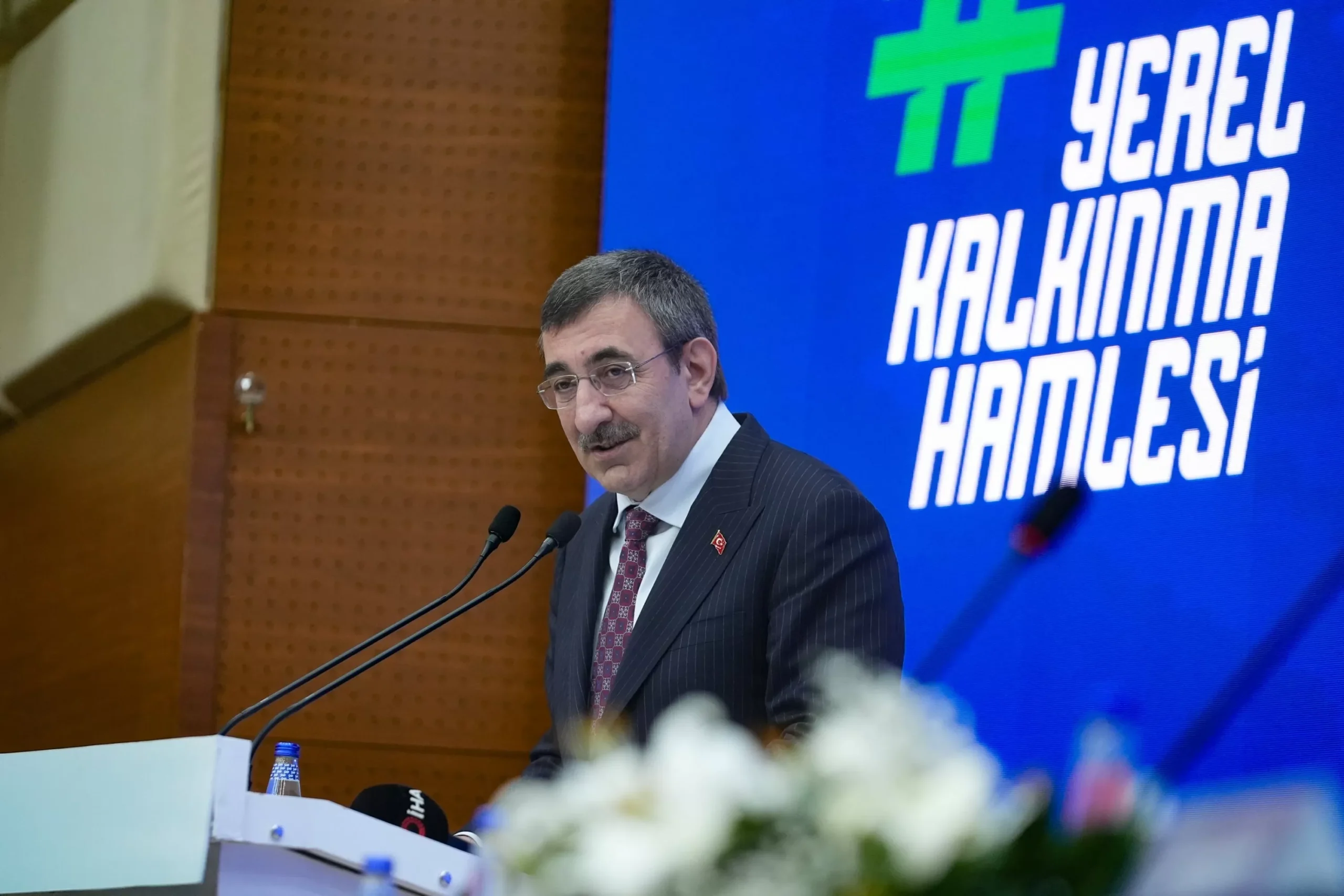

In the face of ongoing trade wars and increasing global uncertainty, Turkey has taken a bold step towards economic management. Vice President Fuat Oktay has announced that the country will be pursuing a dynamic approach rather than relying on ‘autopilot’ policies. This decision has been met with widespread support and is seen as a necessary move to navigate through the current economic challenges.
Turkey has been facing economic pressures due to the ongoing trade wars between major global powers. The country’s currency, the Turkish lira, has been depreciating rapidly, causing concerns for both the government and the citizens. In addition, the global economic outlook has been clouded by uncertainty, with the ongoing Brexit negotiations and the trade tensions between the US and China. In such a scenario, it is imperative for Turkey to take proactive measures to safeguard its economy.
Vice President Oktay’s announcement has been welcomed by experts and economists alike. The move towards a dynamic approach in economic management is seen as a necessary step to counter the effects of the trade wars and global uncertainty. This approach will involve constantly monitoring the economic situation and taking timely and effective measures to address any challenges that may arise.
One of the key advantages of a dynamic approach is its flexibility. Unlike ‘autopilot’ policies, which rely on predetermined measures, a dynamic approach allows for adaptability and quick decision-making. This is crucial in a constantly changing economic landscape, where unexpected events and developments can have a significant impact on the economy. With a dynamic approach, Turkey will be better equipped to respond to any economic challenges that may arise.
Moreover, this approach also reflects the government’s commitment to actively manage the economy and not just rely on external factors. Turkey has a strong and diverse economy, with a thriving manufacturing sector and a growing service industry. By pursuing a dynamic approach, the government is sending a clear message that it is determined to protect and strengthen the country’s economy, regardless of external pressures.
Another important aspect of this approach is its focus on long-term sustainability. ‘Autopilot’ policies may provide short-term relief, but they do not address the root causes of economic challenges. On the other hand, a dynamic approach involves a thorough analysis of the economic situation and implementing measures that will have a lasting impact. This will not only help Turkey navigate through the current challenges but also lay a strong foundation for future economic growth.
Furthermore, this decision also highlights Turkey’s determination to maintain its position as a major player in the global economy. Despite the ongoing trade wars and global uncertainty, the country has continued to attract foreign investment and has seen a steady growth in exports. By pursuing a dynamic approach, Turkey is sending a message to the world that it is a resilient and dynamic economy, capable of overcoming challenges and achieving sustainable growth.
In conclusion, Turkey’s decision to pursue a dynamic approach in economic management is a bold and necessary move in the current global scenario. It reflects the government’s commitment to actively manage the economy and its determination to overcome challenges and achieve sustainable growth. With this approach, Turkey is well-positioned to navigate through the ongoing trade wars and global uncertainty and emerge as a stronger and more resilient economy.