

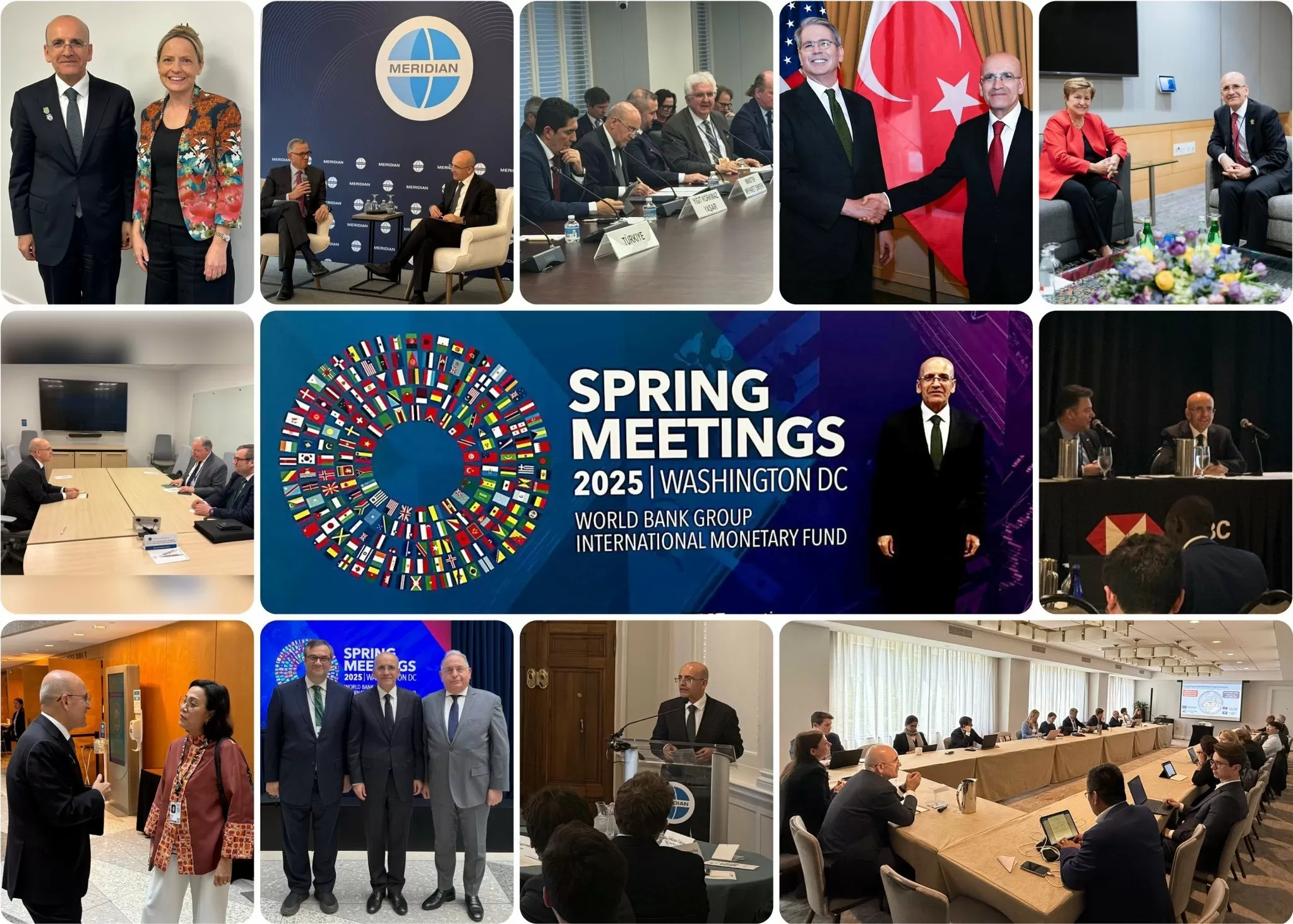

Turkey, one of the fastest-growing and most dynamic economies in the world, is set to secure a massive amount of long-term and low-cost project financing from international institutions. The country’s Treasury and Finance Ministry has announced that it is expecting to receive approximately $41 billion in funding over a period of three years. This is a significant milestone for Turkey, as it will open up new opportunities for growth and development in various sectors.
The Turkish government has been working tirelessly to attract foreign investment and strengthen the economy. This has led to increased confidence from international institutions and investors, which is reflected in the substantial amount of financing Turkey is expected to receive in the coming years. This funding will be crucial in supporting the country’s long-term development plans and achieving sustainable economic growth.
The majority of the financing is expected to come from institutions such as the World Bank, the International Finance Corporation, the European Bank for Reconstruction and Development, and the Asian Infrastructure Investment Bank. These institutions are known for their support in developing economies and have been crucial in driving growth and development in various countries around the world.
The funding will be used to support a wide range of projects in Turkey, including infrastructure, transportation, energy, and agriculture. This will not only boost economic growth but also create jobs and improve the standard of living for people across the country. Mega infrastructure projects, such as the development of highways, airports, and railways, will receive a significant portion of the financing. These projects will improve connectivity and facilitate the movement of goods and people, ultimately driving economic activity.
The projects in the energy sector will focus on increasing Turkey’s renewable energy capacity, which is a key priority for the government. With a goal to generate 30% of its electricity from renewable sources by 2023, Turkey is well on its way to becoming a regional leader in clean energy. The funding from international institutions will support the development of wind and solar energy projects, reducing the country’s dependence on fossil fuels and contributing to a cleaner and greener future.
The agriculture sector, which is an essential part of the Turkish economy, will also benefit from the financing. The funds will be used to modernize and improve irrigation systems, increase productivity, and support small-scale farmers. This will not only boost the sector but also improve food security in the country.
The Turkish government’s efforts to secure long-term and low-cost financing have not gone unnoticed. The international community has recognized the country’s potential and has shown confidence in its economic future. This is a testament to the country’s macroeconomic stability, strong economic growth, and favorable investment climate.
Moreover, the support from international institutions will also help boost Turkey’s credit rating and increase its access to global capital markets. This will not only enable the government to borrow at more favorable terms but also provide an avenue for private sector entities to raise funds for their projects and initiatives.
In conclusion, Turkey’s plans to secure $41 billion in long-term and low-cost project financing is a significant achievement and will drive the country’s economic growth and development. The funding will support various projects in crucial sectors and create opportunities for businesses and individuals alike. With this influx of financing, Turkey is well-positioned to continue its upward trajectory and emerge as a strong and resilient economy in the region.