

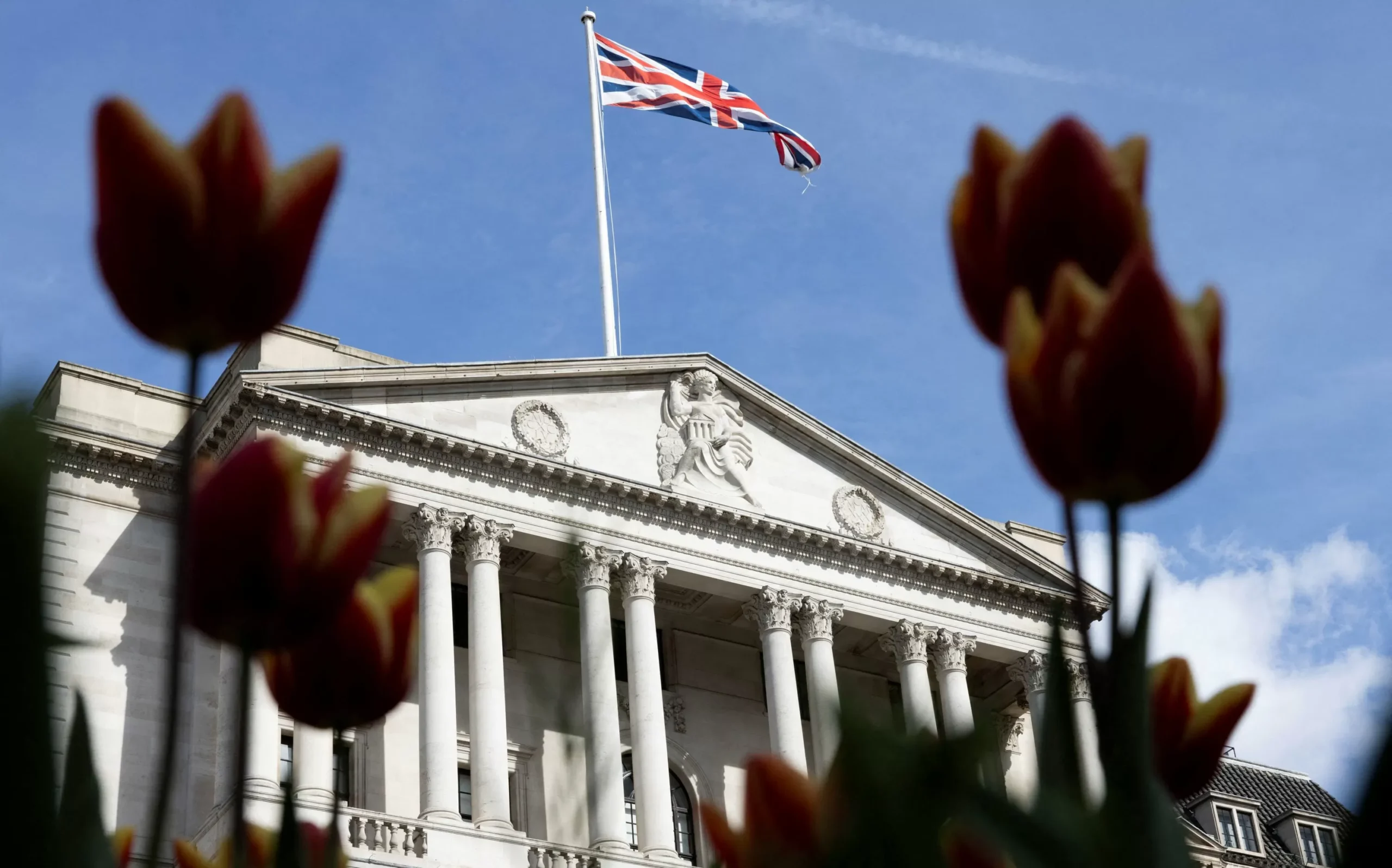

The Bank of England (BoE) has once again taken charge of the UK’s monetary policy by lowering its main interest rate by 0.25 percentage points to 4.25% on Thursday. This has come as a surprise to many, as there were mixed opinions among policymakers. However, this move by the BoE shows their commitment to boosting the country’s economy, even in the face of global uncertainties such as the recent actions of the U.S. President.
The decision to lower the interest rate was not unanimous among the policymakers, with a three-way split in voting. Despite this, the BoE has stood firm in its belief that this is the right step to take at this point in time. This shows the strength and confidence of the BoE in its decision-making process, taking into consideration various factors such as inflation, economic growth, and global market trends.
One of the main reasons cited for this interest rate cut is the slowing growth of the UK economy. Despite the country’s low unemployment rate and strong wage growth, there has been a slowdown in the growth of household spending and business investment. This, coupled with the ongoing uncertainty surrounding Brexit, has led to a decrease in consumer and business confidence. The BoE’s move to lower the interest rate is aimed at boosting spending and investment, which is crucial for the growth of the economy.
In addition to domestic factors, the BoE also had to consider the impact of the U.S. President’s decision to impose tariffs on imports from China and the ongoing trade tensions between the two countries. These actions have created uncertainty in the global market, leading to a slowdown in economic growth. By lowering the interest rate, the BoE has taken a proactive step in mitigating the potential negative effects of these global developments on the UK’s economy.
Some economists have raised concerns about the potential impact of a lower interest rate on inflation. However, the BoE has reassured the public that they will closely monitor the situation and take necessary actions to keep inflation under control. This is a testament to the BoE’s commitment to maintaining a balance between economic growth and inflation.
The BoE’s decision to lower the interest rate has been met with positive reactions from various sectors. The business community has welcomed this move as it will make borrowing more affordable, allowing them to invest in their businesses and create more jobs. Consumers will also benefit from this decision as it will make loans and mortgages more affordable, freeing up their disposable income for spending. This, in turn, will stimulate the economy and promote growth.
Moreover, this interest rate cut will also have a positive impact on the housing market. With lower interest rates, mortgage rates are expected to decrease, making it easier for first-time buyers to enter the property market. This will not only boost the housing market but also have a positive ripple effect on other industries, such as construction and home furnishings.
In conclusion, the Bank of England’s decision to lower its main interest rate by 0.25 percentage points to 4.25% is a bold and proactive move that reflects their dedication to supporting the UK’s economy. Despite the unexpected three-way split among policymakers, the BoE has shown strong leadership and confidence in their decision-making. This interest rate cut is expected to have a positive impact on various sectors, including businesses, consumers, and the housing market. As the UK navigates through uncertain times, the BoE’s actions provide stability and assurance to the economy, ensuring its continued growth and prosperity.