

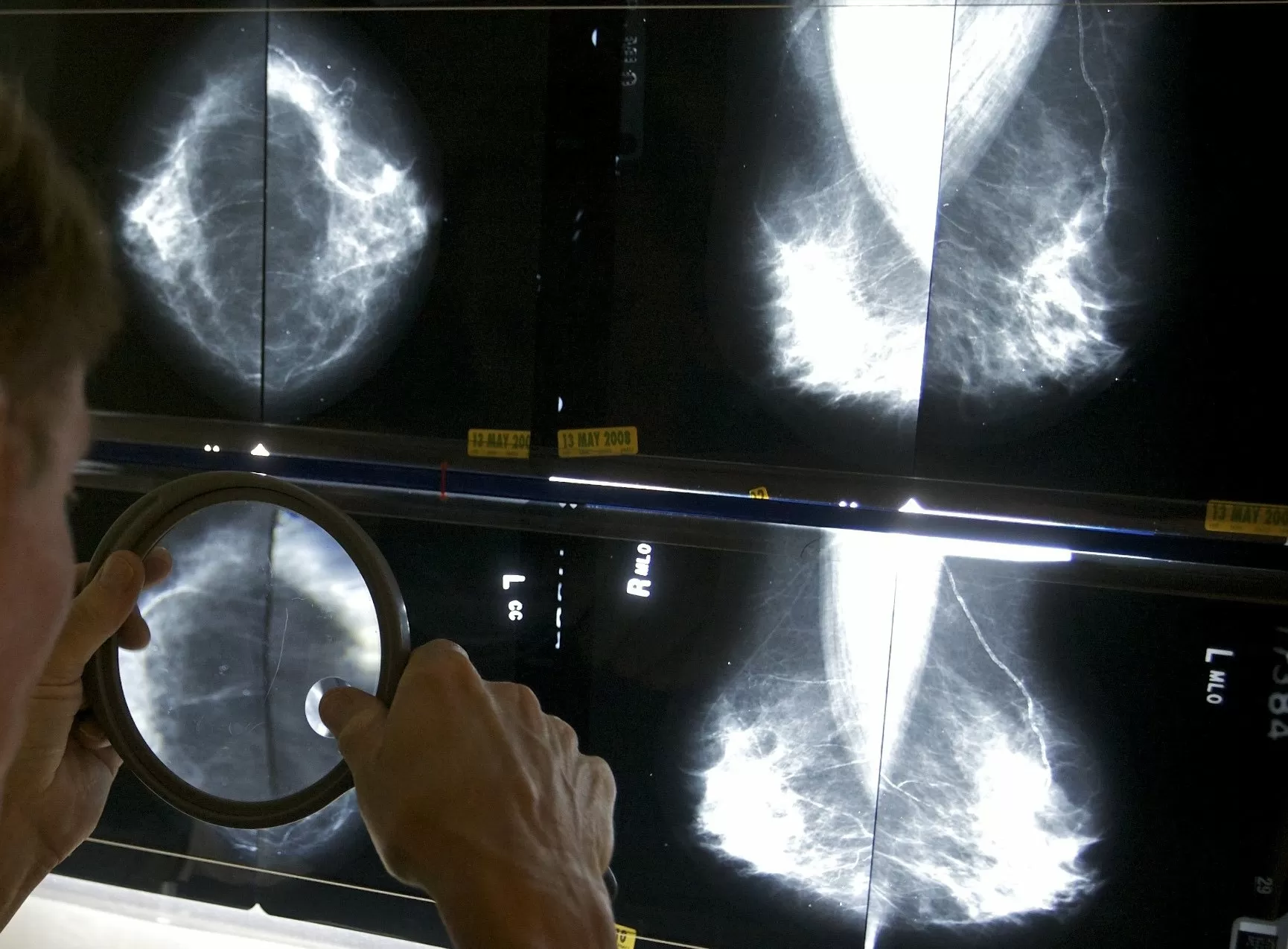

Cancer before the age of 50 has always been considered rare in the United States. However, recent studies have shown that the number of cases in this age group is increasing at an alarming rate. This has left researchers wondering why this trend is occurring and what can be done to address it.
A new government study, conducted by the National Cancer Institute, has shed some light on this concerning issue. The study analyzed data from over 800,000 cancer cases in the United States between 1995 and 2014 and found that the incidence of cancer before the age of 50 has increased by 200% for certain types of cancer. This is a significant increase and has raised many questions about why this is happening.
One of the most alarming findings of the study is the increasing incidence of colorectal cancer in people under the age of 50. This type of cancer, which was once considered a disease of the elderly, has seen a 45% increase in incidence among younger adults. Other types of cancer that have shown a significant increase in this age group include pancreatic cancer, kidney cancer, and uterine cancer.
The study also found that the increase in cancer cases before the age of 50 is more pronounced in certain demographic groups. African Americans and non-Hispanic whites have seen the highest increase in incidence, while Hispanic and Asian Americans have seen a smaller rise.
So, what could be causing this increase in cancer cases in younger adults? There are a few potential factors that researchers are exploring. One is the changing lifestyle and dietary habits of younger generations. The rise of fast food and processed food consumption, along with a sedentary lifestyle, may be contributing to the increased risk of certain types of cancer.
Another factor that is being studied is the environmental influences on cancer development. The rise of pollution, exposure to toxins, and the use of chemicals in everyday products may be playing a role in the increase of cancer cases in younger adults.
Additionally, the delay in childbearing may also be a contributing factor. Women who have their first child after the age of 30 have a higher risk of developing breast and uterine cancer. With more women choosing to delay childbirth, this could be a possible explanation for the increased incidence of these types of cancer in younger age groups.
Although the reasons for the rise in cancer cases before the age of 50 are not fully understood, one thing is clear- something needs to be done to address this issue. The earlier a cancer is detected, the better the chances of successful treatment. This highlights the importance of early detection and regular screenings for cancer, even in younger adults.
It is also crucial for individuals to be aware of their family history and any potential risk factors for cancer. This can help in identifying those who may be at a higher risk and taking necessary precautions or undergoing regular screenings.
In addition to individual efforts, it is essential for the government and health organizations to prioritize research and raise awareness about this issue. More funding and resources should be allocated towards studying the causes of cancer in younger adults and developing effective prevention and treatment methods.
It is also crucial for schools and educational institutions to educate young people on the importance of a healthy lifestyle and its impact on cancer prevention. By promoting healthy habits from a young age, we can potentially reduce the risk of cancer in future generations.
While the increase in cancer cases before the age of 50 is concerning, it is not a cause for despair. With increased awareness and efforts towards prevention, we can work towards reducing the incidence of cancer in younger adults and improving their chances of survival.
In conclusion, the rise in cancer cases before the age of 50 in the United States is a cause for concern, but also an opportunity for action. By understanding the possible factors contributing to this trend and taking steps towards prevention and early detection, we can potentially reverse this alarming trend. Let us all work together to ensure a healthier and cancer-free future for the younger generation.