

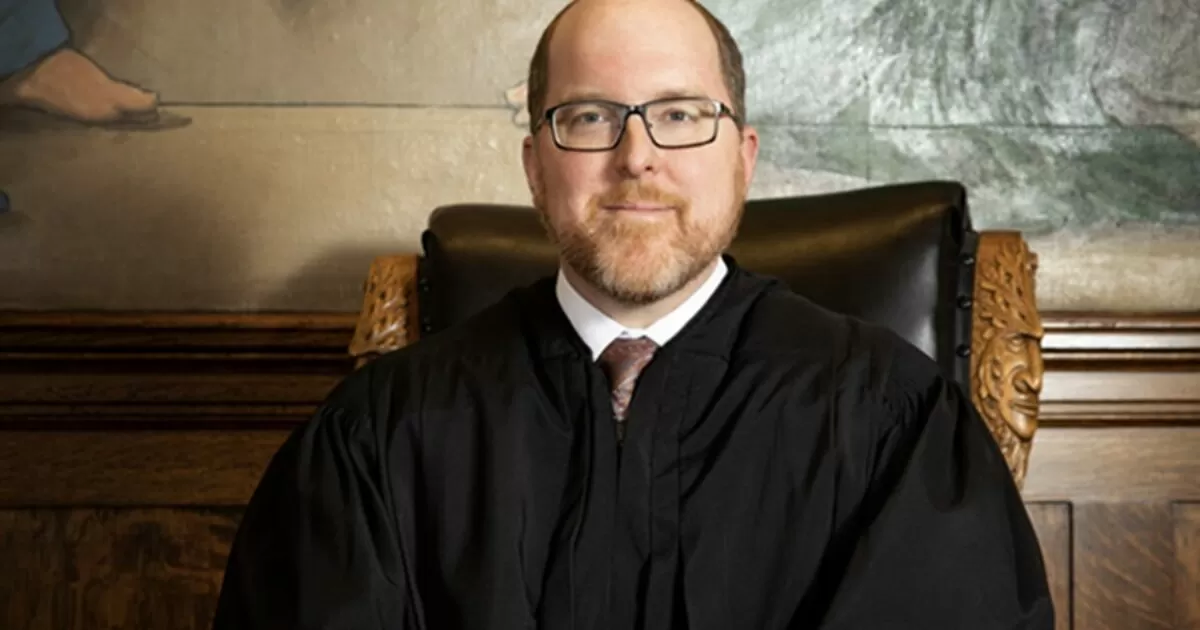

A recent decision by a district court judge in Montana has once again sparked controversy over the issue of sex change surgeries and hormone treatments for minors. The judge has struck down a law that banned these procedures for individuals under the age of 18, citing concerns over the rights and well-being of transgender youth.
The law, which was signed by Montana Governor Greg Gianforte in May, aimed to prohibit doctors and other healthcare providers from performing sex change surgeries or prescribing hormone treatments to minors. Supporters of the law argued that these procedures are irreversible and can have long-term physical and psychological consequences for young people.
However, opponents of the law, including LGBTQ+ advocates and healthcare professionals, argued that it violated the constitutional rights of transgender minors and interfered with the doctor-patient relationship. They also pointed out that these procedures are often necessary for transgender youth to live authentically and alleviate gender dysphoria.
In his ruling, Judge Brian Morris stated that the law “violates the rights of transgender people protected under the Equal Protection Clause” and “constitutes a severe and discriminatory burden on transgender people’s fundamental right to privacy.” He also noted that the law would have a detrimental impact on the mental and physical health of transgender minors.
This decision has been met with both praise and criticism. Supporters of the law have expressed disappointment and vowed to appeal the ruling, while LGBTQ+ advocates and medical professionals have hailed it as a victory for transgender rights. However, one thing is clear: this ruling has once again brought the issue of transgender rights to the forefront of public discourse.
It is crucial to recognize that transgender individuals, especially minors, face discrimination and stigma on a daily basis. They also experience higher rates of mental health issues, including depression and anxiety, due to societal rejection and lack of access to proper healthcare. Banning sex change surgeries and hormone treatments for minors only adds to their struggles and denies them the right to make decisions about their own bodies.
Furthermore, it is important to acknowledge that gender identity is a deeply personal and complex matter. For transgender youth, undergoing these procedures is often a crucial step towards aligning their physical bodies with their gender identity. Denying them this opportunity can have devastating consequences, including increased risk of self-harm and suicide.
As a society, we must strive to create a safe and inclusive environment for all individuals, regardless of their gender identity. This includes providing access to necessary medical treatments and protecting the rights of transgender minors. The decision by the district court judge in Montana is a step in the right direction towards achieving this goal.
It is also essential to educate ourselves and others about transgender issues and to promote acceptance and understanding. Transgender individuals should not have to face discrimination and judgment for simply being true to themselves. They deserve to be treated with dignity and respect, and their rights should be protected.
In conclusion, the ruling by the Montana district court judge to strike down the law banning sex change surgeries and hormone treatments for minors is a significant victory for transgender rights. It reaffirms the importance of protecting the rights and well-being of transgender individuals, especially minors who are often the most vulnerable. Let us continue to advocate for equality and acceptance for all individuals, regardless of their gender identity.