

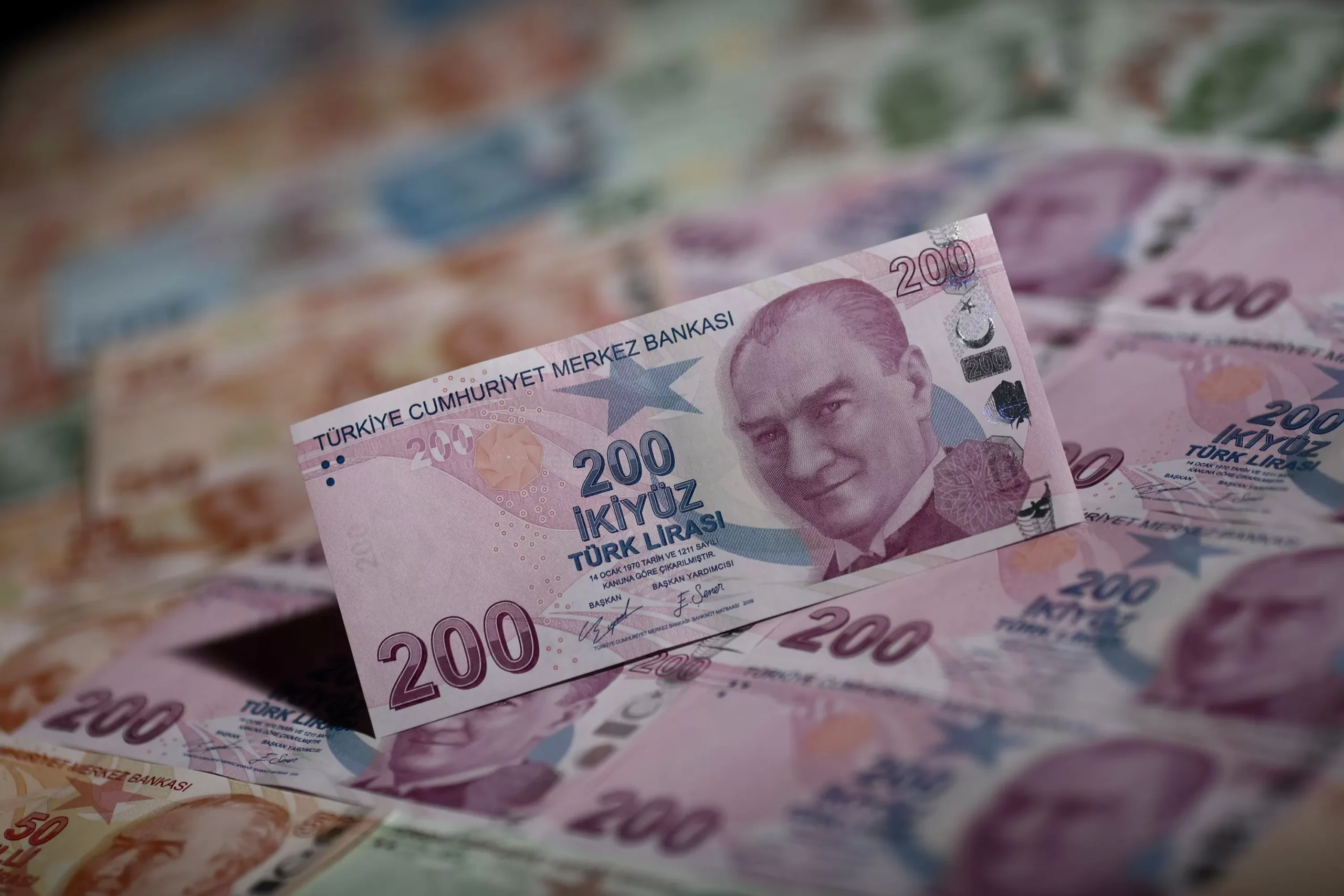

Turkey’s Central Government Budget Records Deficit of TL 174.7 Billion in April
The Turkish economy has been facing a challenging time due to the impact of the global pandemic. As the country continues to battle the effects of COVID-19, the latest data released by the Turkish Treasury and Finance Ministry has revealed that the central government budget recorded a deficit of TL 174.7 billion (approximately $4.51 billion) in April.
The figure, which was released on Thursday, highlights the financial strain that the country is currently facing. However, despite the deficit, there are still reasons to remain optimistic about the future of Turkey’s economy.
The deficit in April was mainly due to the government’s efforts to support the economy and its citizens during these difficult times. The Turkish government has implemented various measures to mitigate the impact of the pandemic, including providing financial aid to businesses and individuals, and increasing healthcare spending.
The government’s decision to prioritize the well-being of its citizens and the economy has resulted in a temporary deficit. However, these measures have also played a crucial role in keeping the economy afloat and ensuring that the country is well-positioned for a strong recovery once the pandemic is over.
It is also worth noting that the deficit in April is significantly lower than the same period last year, which recorded a deficit of TL 32.5 billion. This shows that the government’s efforts have been effective in managing the economic impact of the pandemic.
Furthermore, the deficit in April was also lower than the government’s budget forecast of TL 202.5 billion. This indicates that the government’s financial management has been successful in keeping the deficit under control.
The data also revealed that the government’s budget revenues in April increased by 27.4% compared to the same period last year. This is a positive sign that the economy is slowly recovering, and the government’s efforts to support businesses and individuals are yielding results.
In addition, the government’s budget expenditures in April increased by 46.6% compared to the same period last year. This is a clear indication of the government’s commitment to providing financial support to those in need during these challenging times.
Despite the deficit, the Turkish government remains determined to steer the country towards economic stability and growth. The government has announced its plan to gradually ease COVID-19 restrictions and reopen the economy, which is expected to boost economic activity and revenue in the coming months.
Moreover, the government has also implemented structural reforms to improve the business environment and attract foreign investment. These reforms, coupled with the government’s efforts to support the economy, are expected to have a positive impact on the country’s economic recovery.
In conclusion, the latest data on Turkey’s central government budget deficit in April may seem concerning at first glance. However, a closer look reveals that the deficit is a result of the government’s efforts to support the economy and its citizens during the pandemic. The government’s measures have been effective in managing the economic impact of COVID-19, and the lower deficit compared to last year is a positive sign. With the government’s commitment to economic stability and growth, Turkey is well-positioned to overcome the challenges posed by the pandemic and emerge stronger in the future.