

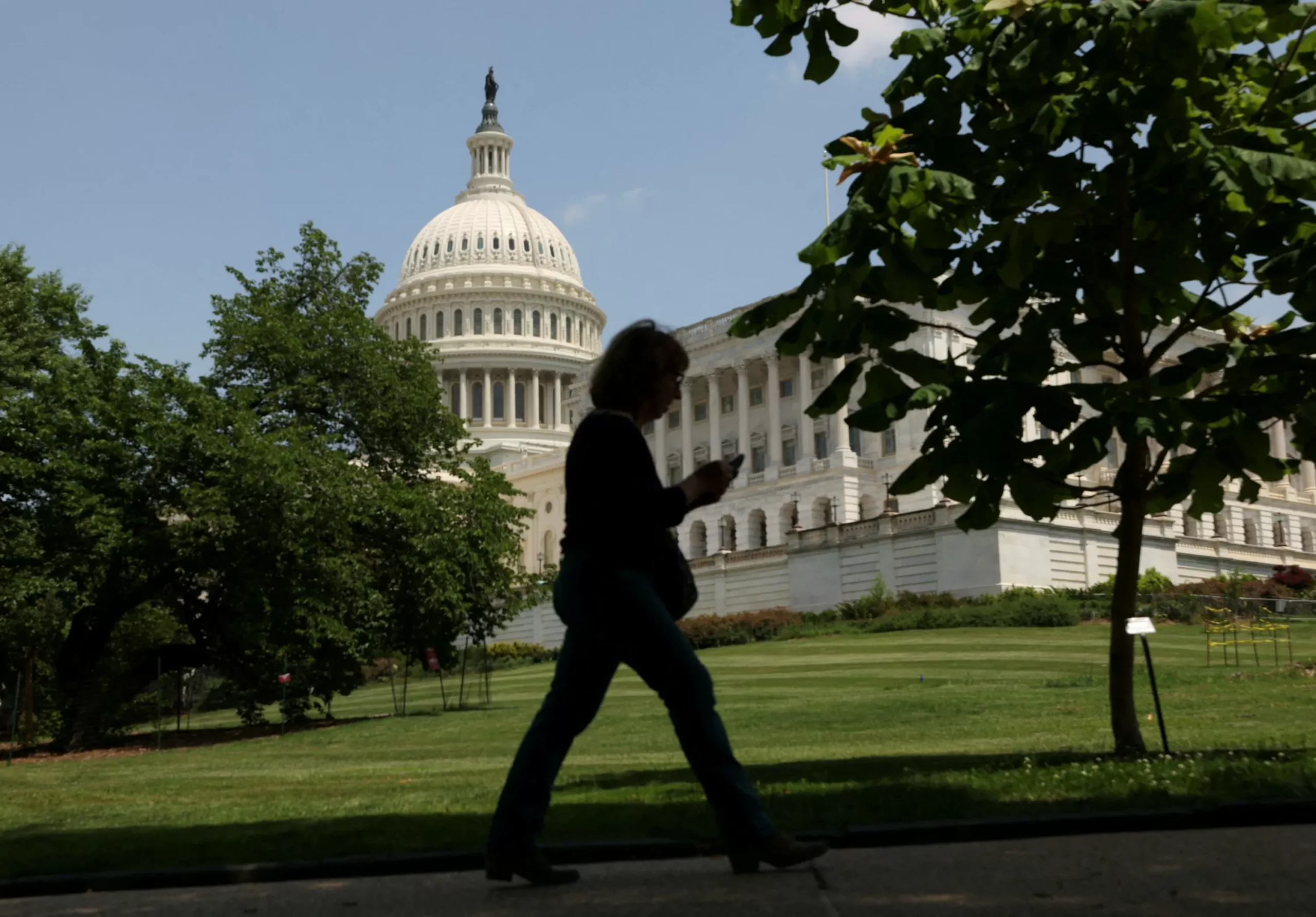

The recent decision by credit rating agency Moody’s to downgrade the U.S. sovereign debt has sent shockwaves through the financial world. This move has intensified concerns about a looming debt time-bomb, which could potentially lead to a surge in bond market vigilantes and cause further instability in the global economy.
The United States has long been considered a safe haven for investors, with its stable economy and strong credit rating. However, this latest downgrade by Moody’s has raised questions about the country’s ability to manage its debt and maintain its status as a reliable borrower.
The downgrade by Moody’s has been attributed to the ongoing political gridlock in Washington, which has resulted in a failure to address the country’s growing debt. The U.S. national debt currently stands at a staggering $28 trillion, and it is expected to continue growing in the coming years. This has led to concerns that the country may not be able to meet its financial obligations, which could have severe consequences for the global financial system.
One of the primary concerns is the potential for bond market vigilantes to take advantage of the situation. These are investors who actively seek out countries with high levels of debt and push up borrowing costs by selling off their bonds. This can create a vicious cycle, as higher borrowing costs make it more difficult for the country to manage its debt, leading to further downgrades and more selling by bond market vigilantes.
The threat of bond market vigilantes has been a concern for many years, but the recent downgrade by Moody’s has brought it to the forefront once again. This has sparked fears that the U.S. may be on the brink of a debt crisis, similar to what happened in Greece a decade ago.
However, it is important to note that the situation in the U.S. is not the same as that of Greece. The U.S. economy is much larger and more diversified, which provides a level of stability that Greece did not have. Additionally, the U.S. dollar remains the world’s reserve currency, which gives the country a significant advantage in managing its debt.
Furthermore, the U.S. government has taken steps to address the growing debt. In March of this year, President Biden signed a $1.9 trillion stimulus package, which aimed to boost the economy and provide relief to individuals and businesses affected by the pandemic. While this has added to the debt, it has also helped to stimulate economic growth, which could ultimately lead to increased tax revenues and help to reduce the debt burden in the long run.
Moreover, the Federal Reserve has also stepped in to support the economy by keeping interest rates low and purchasing government bonds. This has helped to keep borrowing costs down and provide stability to the bond market.
Despite the downgrade by Moody’s and the concerns about a debt time-bomb, there are reasons to be optimistic about the U.S. economy. The country has a strong track record of managing its debt, and its economic fundamentals remain robust. The recent stimulus measures and the Federal Reserve’s support have also helped to mitigate the impact of the pandemic on the economy.
In conclusion, while the downgrade of U.S. sovereign debt by Moody’s has intensified concerns about a looming debt time-bomb, it is important to keep things in perspective. The U.S. economy is still the largest in the world, and the country has a history of successfully managing its debt. With the right policies and measures in place, the U.S. can overcome this challenge and continue to be a stable and reliable borrower in the global financial system.