

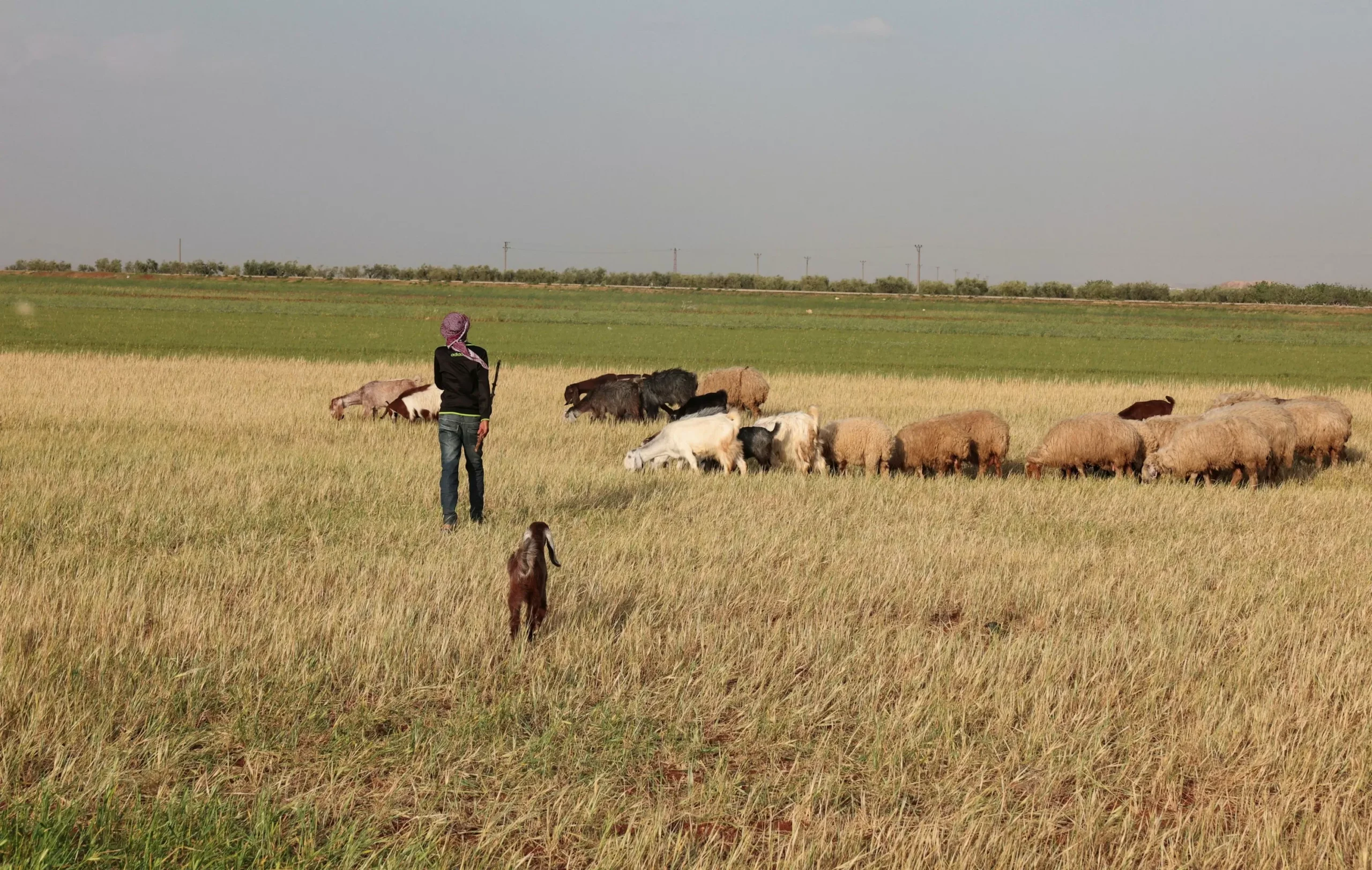

Harsh Drought Conditions Threaten Wheat Crops in Syria, FAO Warns
Syria is facing a dire situation this year as the country grapples with severe drought conditions that could potentially lead to the failure of 75% of its local wheat crops. This alarming prediction comes from the Food and Agriculture Organization (FAO) of the United Nations, which has been closely monitoring the situation in the war-torn country.
According to the FAO, Syria has been experiencing a prolonged period of drought, with rainfall levels significantly below average for the past four years. This has resulted in a sharp decline in agricultural production, especially in the wheat sector, which is a staple crop for the country.
The FAO estimates that the wheat production in Syria this year could be as low as 2.2 million tons, a significant drop from the 8.5 million tons produced in 2019. This is a cause for concern as wheat is a crucial source of food for the Syrian population, with an estimated 12 million people relying on it for their daily sustenance.
The impact of the drought on the wheat crops has been exacerbated by the ongoing conflict in Syria, which has severely disrupted the country’s agricultural sector. The FAO reports that many farmers have been forced to abandon their land and flee their homes, leaving their crops to wither and die.
The situation is particularly dire in the northeastern and central regions of Syria, which are the main wheat-producing areas. These regions have been hit the hardest by the drought, with some areas receiving less than half of the average rainfall. This has led to a sharp decline in wheat yields, with some farmers reporting a decrease of up to 80%.
The FAO has warned that if the drought persists, it could have devastating consequences for the Syrian people. Not only will it lead to a significant decrease in food production, but it could also result in a sharp increase in food prices, making it even more difficult for families to access basic necessities.
In response to this crisis, the FAO has launched an emergency appeal for $200 million to provide immediate assistance to the affected farmers and their families. This includes providing seeds, fertilizers, and other inputs to help farmers replant their crops and recover from the drought.
The organization is also working closely with the Syrian government and other partners to improve water management and irrigation systems, which will help mitigate the impact of future droughts. Additionally, the FAO is promoting the use of drought-resistant crops and techniques to help farmers adapt to the changing climate.
The FAO’s efforts are crucial in ensuring that the Syrian people have access to food and are not pushed further into poverty and hunger. However, more support is needed to address the root causes of the crisis, including the ongoing conflict and the effects of climate change.
The international community must come together to provide the necessary resources and support to help the Syrian people overcome this crisis. This includes providing humanitarian aid, investing in sustainable agriculture, and promoting peace and stability in the region.
Despite the challenges, there is still hope for the Syrian people. The FAO’s Director-General, Qu Dongyu, has emphasized the resilience of Syrian farmers and their determination to continue producing food for their families and communities. With the right support and resources, they can overcome this crisis and rebuild their lives.
In the face of adversity, the Syrian people have shown remarkable strength and perseverance. Let us stand in solidarity with them and support their efforts to overcome the harsh drought conditions and build a better future for themselves and their country.