
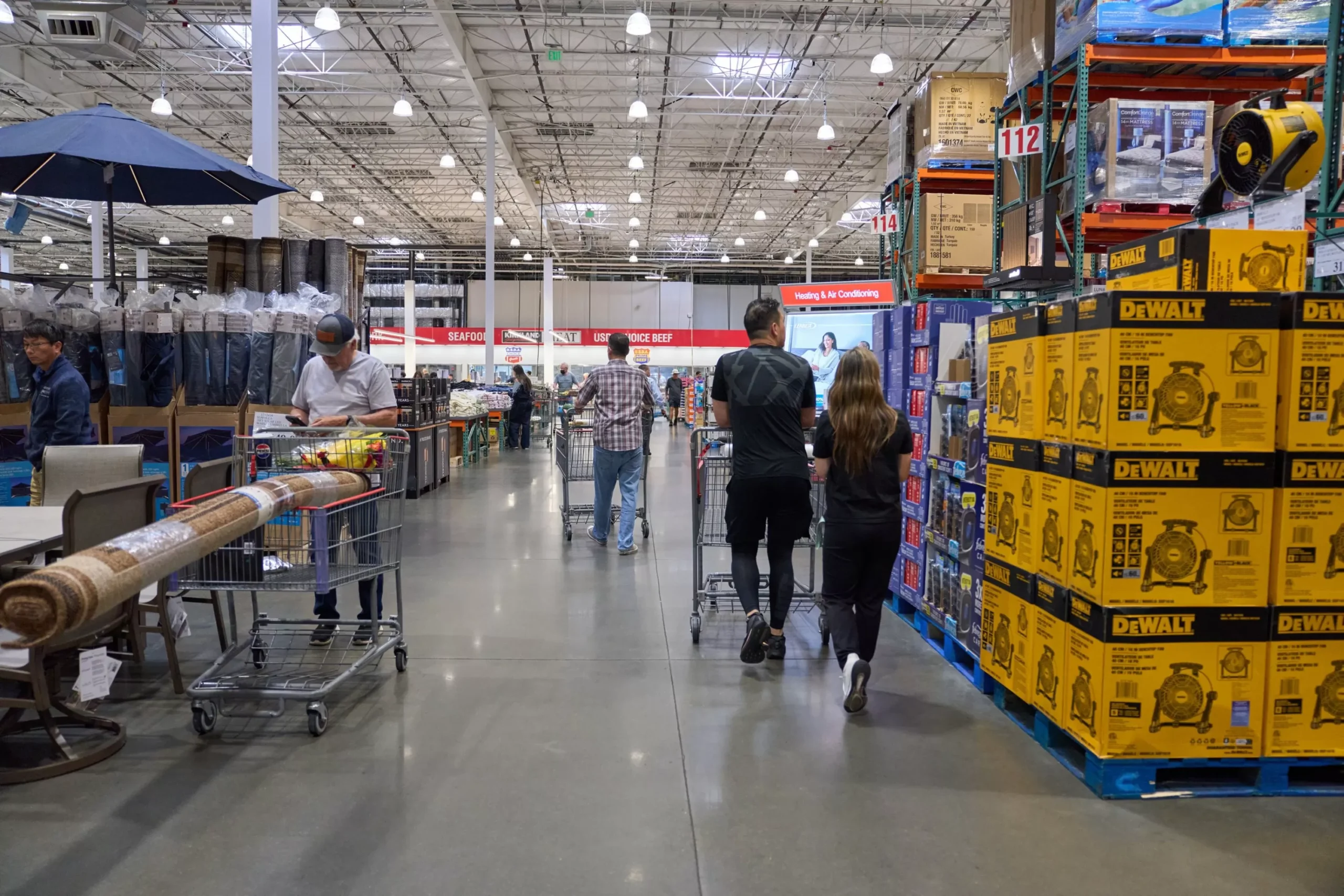

Inflation in the United States rose moderately in May, but the overall picture remains positive as prices for groceries and some imported goods increased while gas, travel services, and rents became more affordable.
According to the latest report from the US Bureau of Labor Statistics, the Consumer Price Index (CPI) rose by 0.6% in May, slightly higher than the 0.4% increase in April. This brings the year-over-year inflation rate to 5%, the highest level since August 2008. However, experts believe that this increase is temporary and the inflation rate is expected to stabilize in the coming months.
One of the main drivers of the increase in inflation was the rise in food prices. The cost of groceries went up by 0.4% in May, with the prices of meat, poultry, fish, and eggs increasing by 1.3%. This can be attributed to supply chain disruptions caused by the pandemic and the rising demand for food as more people are dining at home. However, the good news is that the prices of fruits and vegetables remained stable, and the overall increase in food prices was lower than in previous months.
Another factor contributing to the rise in inflation was the increase in prices for some imported goods. The cost of imported goods rose by 1.1% in May, driven by higher prices for industrial supplies and materials, such as lumber and steel. This can be attributed to the global shortage of raw materials and the increase in demand as the economy continues to recover. However, the prices of imported goods are expected to stabilize as supply chains improve and demand levels out.
On the other hand, there were some categories that saw a decrease in prices, which helped offset the overall increase in inflation. Gas prices, which had been steadily rising in the past few months, fell by 0.7% in May. This can be attributed to the increase in production by oil-producing countries and the easing of travel restrictions, which has led to a decrease in demand for gas. This is good news for consumers who have been feeling the pinch at the pump.
Travel services, which include airfare and hotel prices, also saw a decrease of 1.5% in May. This can be attributed to the slow recovery of the travel industry, which is still struggling due to the pandemic. As more people get vaccinated and travel restrictions ease, it is expected that prices for travel services will start to increase again.
Rents, which make up a significant portion of the CPI, also saw a decrease of 0.2% in May. This can be attributed to the increase in supply as more people move out of cities and into suburban areas, and the decrease in demand as more people work from home. This is good news for renters who have been facing rising housing costs in recent years.
Overall, while the increase in inflation may cause some concern, the picture remains positive for the US economy. The Federal Reserve has stated that they expect the current inflationary pressures to be temporary and that they will continue to monitor the situation closely. They also remain committed to their goal of keeping inflation at an average of 2% over the long term.
In conclusion, the rise in inflation in the United States in May was driven by factors such as higher food prices and the increase in prices for some imported goods. However, the decrease in prices for gas, travel services, and rents helped offset the overall increase. As the economy continues to recover and supply chains improve, it is expected that inflation will stabilize in the coming months. The overall outlook remains positive, and the Federal Reserve is taking the necessary steps to ensure that inflation remains under control.