

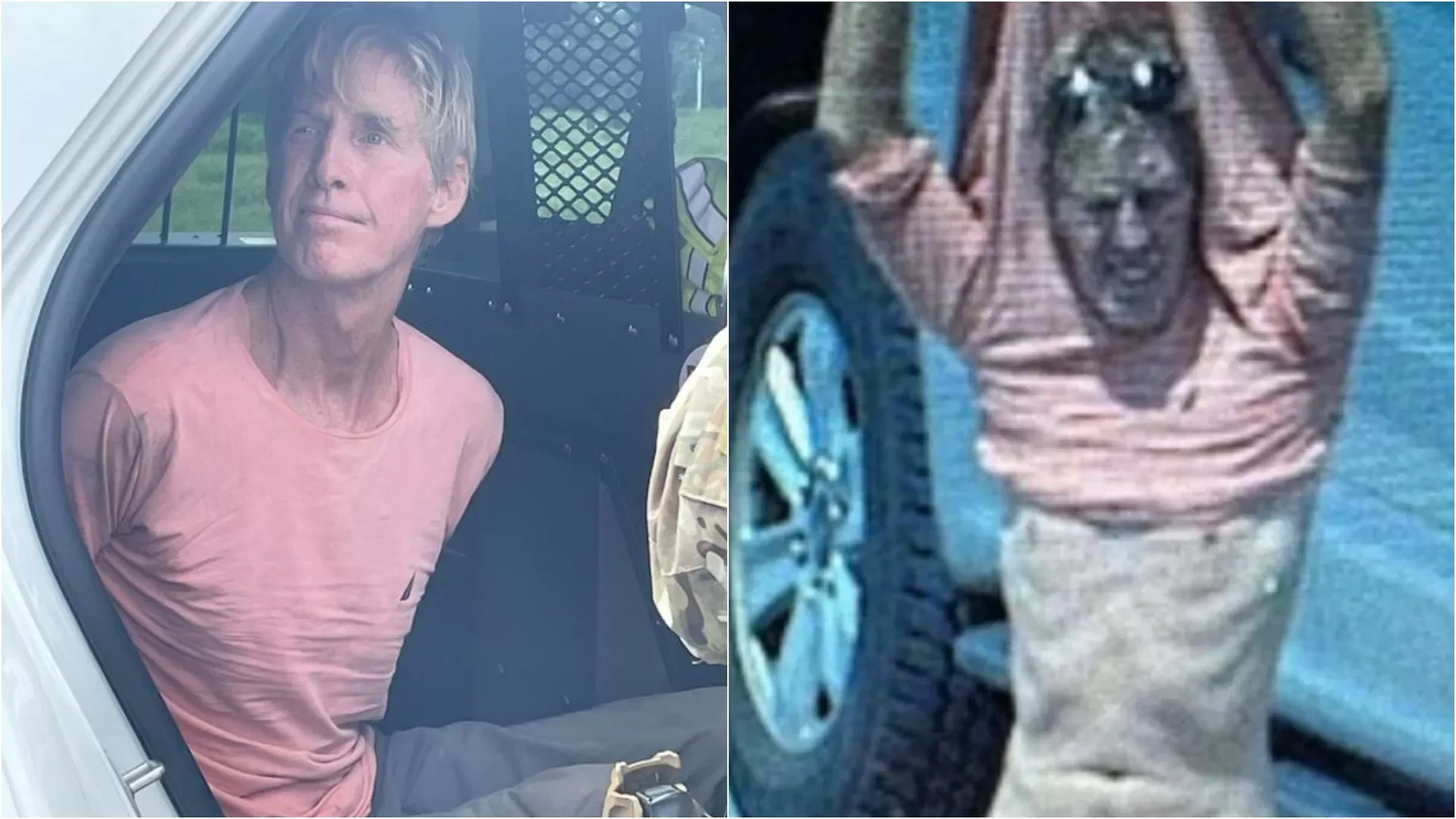

In a recent court decision, Judge Aileen Cannon has rejected the attempt of Ryan Routh, the man accused of plotting to assassinate former President Donald Trump, to unseal a jury questionnaire. This decision comes as a victory for the justice system and a blow to Routh’s defense team.
Routh, a 27-year-old from California, was arrested in 2018 after allegedly planning to assassinate President Trump during a rally in Las Vegas. He was charged with making threats against the President and possessing an unregistered firearm. Routh has pleaded not guilty to the charges and is currently awaiting trial.
In an attempt to strengthen their case, Routh’s defense team filed a motion to unseal the jury questionnaire, which is a document filled out by potential jurors to determine their suitability for the trial. The defense argued that the questionnaire could reveal potential biases of the jurors and could impact the fairness of the trial.
However, Judge Cannon was quick to reject this motion, stating that the questionnaire is confidential and is not subject to public disclosure. She also emphasized that the jurors’ identities will be kept anonymous during the trial to ensure their safety and impartiality.
This decision by Judge Cannon is a testament to the integrity of the justice system and the importance of protecting the rights of both the accused and the jurors. By rejecting Routh’s attempt to unseal the questionnaire, the judge has upheld the principles of fairness and impartiality in the trial.
The defense’s argument that the questionnaire could reveal potential biases of the jurors is not unfounded. In high-profile cases like this, it is not uncommon for jurors to have preconceived notions or biases that could affect their judgment. However, the confidentiality of the questionnaire ensures that these biases are not made public and do not influence the outcome of the trial.
Moreover, the decision to keep the jurors’ identities anonymous is crucial in ensuring their safety. In a case as sensitive as this, it is important to protect the jurors from any potential threats or harassment. By keeping their identities confidential, Judge Cannon has taken the necessary steps to ensure a fair and safe trial for all parties involved.
This is not the first time Judge Cannon has made a decision in favor of justice. In 2019, she presided over the trial of a man accused of plotting to bomb a synagogue in Colorado. Despite the defendant’s claims of entrapment, Judge Cannon convicted him and sentenced him to 20 years in prison. Her commitment to upholding the law and protecting the rights of all individuals involved is commendable.
In the midst of a highly polarized political climate, it is important to remember the importance of a fair and impartial justice system. Judge Cannon’s decision to reject Routh’s attempt to unseal the jury questionnaire is a reminder that the law applies to everyone, regardless of their political beliefs or affiliations.
In conclusion, Judge Aileen Cannon’s rejection of Ryan Routh’s attempt to unseal the jury questionnaire is a victory for the justice system. By upholding the confidentiality of the questionnaire and protecting the jurors’ identities, she has ensured a fair and impartial trial for all parties involved. This decision serves as a reminder of the importance of upholding the principles of justice and fairness in our society.