

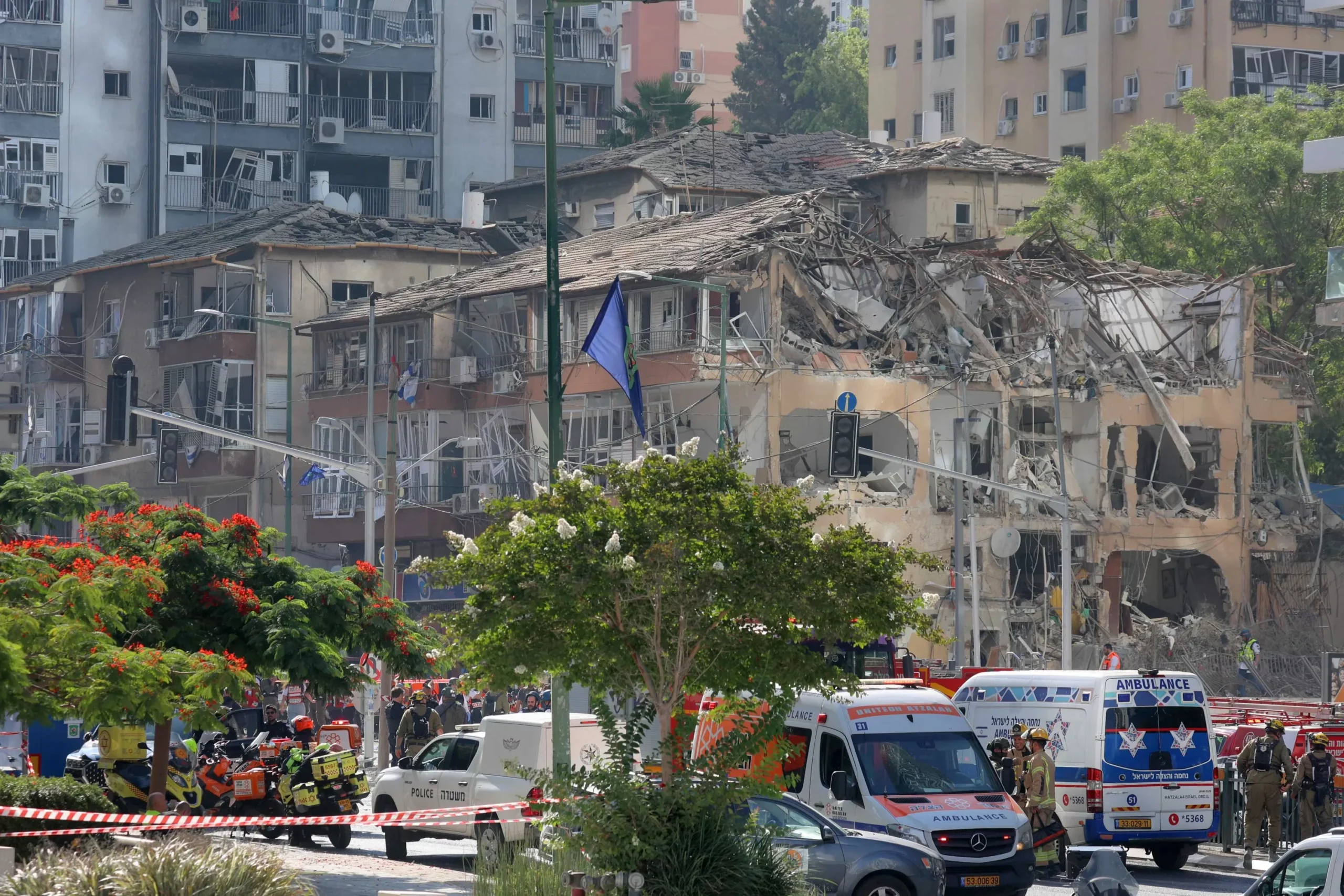

The Middle East has long been a region of political and economic instability, but the recent escalation of conflict between Israel and Iran has raised concerns about the future of the region’s economy. The conflict, which began last week, has already had a significant impact on the economic stability of the Middle East and has the potential to worsen in the coming weeks and months.
The conflict between Israel and Iran has been ongoing for decades, but tensions reached a new level last week when Israel launched a series of airstrikes on Iranian targets in Syria. This was in response to an alleged Iranian missile attack on Israeli military positions in the Golan Heights. The situation quickly escalated, with both sides exchanging threats and retaliatory attacks.
The economic impact of this conflict has been felt across the region. The stock markets in Israel and Iran have both taken a hit, with investors worried about the potential for further escalation and the impact it could have on businesses and trade. The uncertainty surrounding the conflict has also led to a decrease in foreign investment in the region, as investors are hesitant to put their money into a volatile market.
One of the main concerns is the potential for a disruption in the flow of oil from the Middle East. The region is a major producer of oil, and any disruption in production or transportation could have a significant impact on the global economy. This has already been seen in the rise of oil prices in response to the conflict, and if the situation continues to escalate, we could see even higher prices and potential shortages.
The conflict has also had a direct impact on the economies of Israel and Iran. In Israel, the tourism industry has been hit hard, with many travelers canceling their trips due to safety concerns. This has had a ripple effect on other industries, such as hospitality and transportation, which rely heavily on tourism. In Iran, the sanctions imposed by the United States have already had a significant impact on the economy, and the conflict with Israel could further exacerbate the situation.
The economic instability in the Middle East is not limited to just Israel and Iran. The entire region is feeling the effects of the conflict, with neighboring countries also experiencing a decrease in trade and investment. This is particularly concerning for countries like Jordan and Lebanon, which have already been struggling with economic challenges.
The prolonged nature of this conflict is also a cause for concern. If the situation continues to escalate, it could have a long-term impact on the economies of the Middle East. Businesses may be forced to close, jobs could be lost, and the overall economic growth of the region could be stunted. This would not only affect the people living in the region but could also have a global impact.
It is clear that the economic instability in the Middle East is worsening with the escalation of the conflict between Israel and Iran. However, it is important to remember that this is not a new issue in the region. The Middle East has been plagued by conflicts and political tensions for decades, and yet, the region has continued to grow and thrive. This resilience is a testament to the strength and determination of the people of the Middle East.
Despite the challenges, there is still hope for a peaceful resolution to this conflict. The international community has a crucial role to play in de-escalating the situation and finding a diplomatic solution. It is also important for the leaders of Israel and Iran to engage in meaningful dialogue and work towards a peaceful resolution.
In the midst of this conflict, it is important to remain positive and focus on the potential for growth and development in the Middle East. The region has a young and talented population, abundant natural resources, and a strategic location that makes it a hub for trade and commerce. With the right leadership and a commitment to peace, the Middle East has the potential to become a thriving economic powerhouse.
In conclusion, the economic instability in the Middle East is a cause for concern, but it is not a hopeless situation. The conflict between Israel and Iran must be resolved through peaceful means, and the international community must come together to support the region’s economic stability. With determination and perseverance, the Middle East can overcome this challenge and emerge stronger and more prosperous than ever before.