

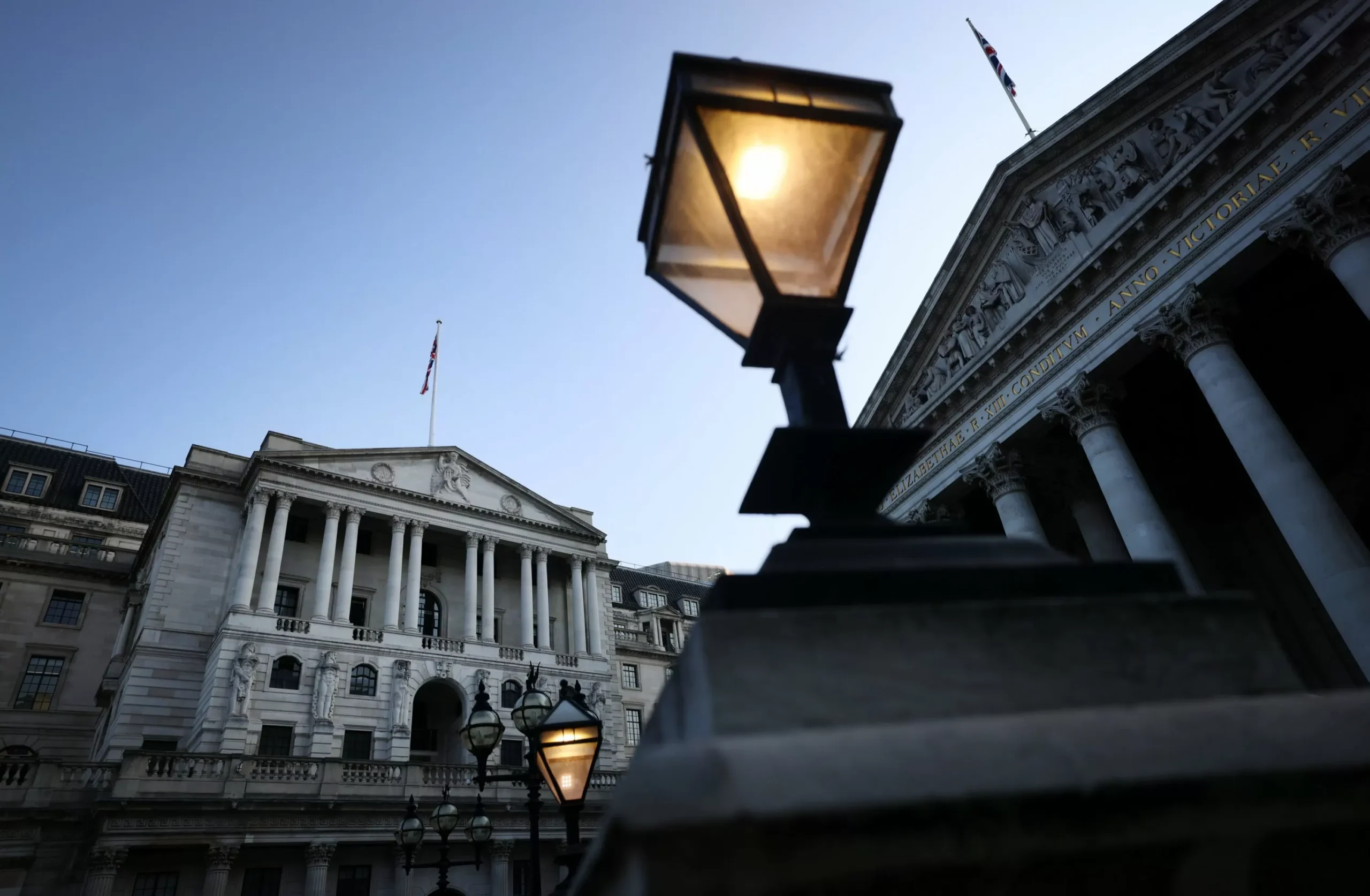

The Bank of England (BoE) has once again shown its steadfast commitment to maintaining stability and confidence in the UK economy. On Thursday, the BoE announced its decision to keep the main interest rate unchanged at 4.25%, amidst growing concerns over the escalating conflict between Israel and Iran and persistent inflationary pressures.
This decision by the BoE reflects the careful and measured approach taken by the central bank in the face of uncertain global conditions. Despite mounting tensions in the Middle East and rising inflation, the BoE has chosen to maintain the current interest rate, a move that has been welcomed by economists and market analysts alike.
The conflict between Israel and Iran has raised fears of a potential disruption in the global oil supply, which could have a significant impact on the UK economy. However, the BoE’s decision to hold the interest rate steady indicates its confidence in the country’s ability to weather any potential shocks. This is a testament to the strength and resilience of the UK economy, which has seen steady growth in recent years.
Additionally, the BoE’s decision is also a clear indication of its commitment to tackling inflation. While inflation remains above the BoE’s target of 2%, the central bank has expressed confidence that it will gradually fall back to target levels in the coming months. This is a positive sign for businesses and consumers, as it means that the cost of borrowing will remain affordable for the foreseeable future.
The BoE’s decision to hold the interest rate unchanged is also in line with its mandate of maintaining price stability and supporting sustainable economic growth. By keeping interest rates at a moderate level, the BoE is providing businesses with the necessary support to invest and grow, while also ensuring that inflation is kept under control.
It is worth noting that the BoE’s decision to maintain the interest rate at 4.25% is in stark contrast to the actions of other central banks around the world. Many central banks have recently opted to lower interest rates in response to global economic uncertainties. The fact that the BoE has chosen to maintain the current rate demonstrates its confidence in the UK economy and its ability to withstand external challenges.
Furthermore, the BoE’s decision is also a reflection of its prudent and forward-looking approach to monetary policy. The central bank has consistently demonstrated its ability to make timely and effective decisions, which have helped to steer the UK economy through various challenges in the past. This decision is yet another example of the BoE’s proactive stance, which has played a crucial role in maintaining economic stability and promoting growth.
In conclusion, the BoE’s decision to keep the main interest rate unchanged at 4.25% is a positive development for the UK economy. It reflects the central bank’s confidence in the country’s economic fundamentals and its ability to overcome any potential obstacles. The BoE’s prudent and measured approach to monetary policy has once again proven to be a key factor in promoting stability and growth. As we look towards the future, we can be reassured that the BoE will continue to take the necessary steps to safeguard the UK economy and maintain its strong position in the global market.