

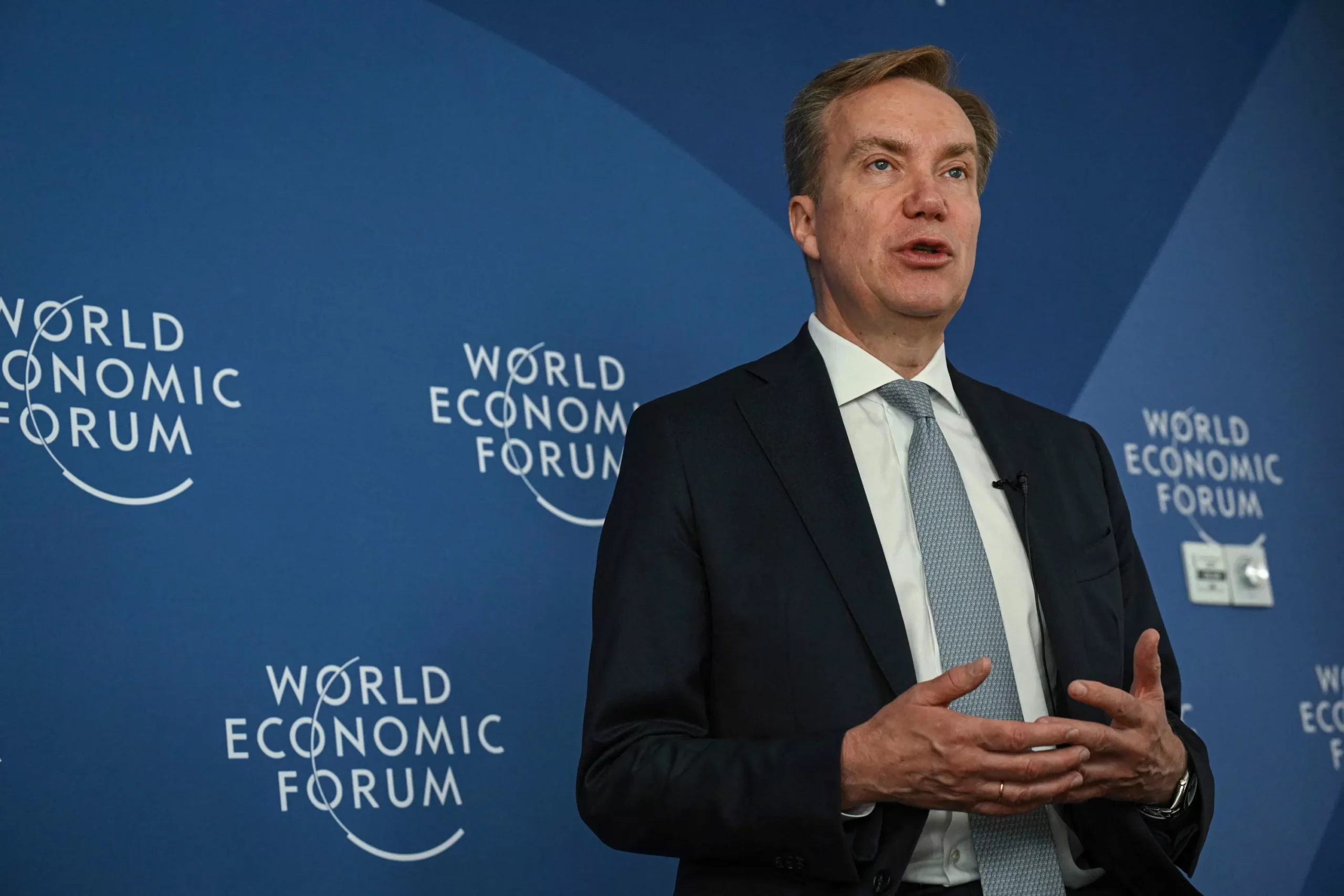

As we enter a new decade, the world is facing a complex and challenging geopolitical situation. This is the warning that was given by the head of the World Economic Forum (WEF) to Agence France-Presse (AFP) on Tuesday. According to him, the current state of affairs is the most intricate we have seen in decades, and it is causing turmoil and uncertainty across the globe.
The WEF is an international organization that brings together leaders from various sectors to discuss and find solutions to the world’s most pressing issues. Their annual meeting in Davos, Switzerland, is known for its high-profile attendees and thought-provoking discussions. And this year, the forum’s founder and executive chairman, Klaus Schwab, has issued a stark warning about the state of the world.
In an interview with AFP, Schwab said, “We are facing the most complex geopolitical situation we have seen in decades. We have a combination of factors that make the situation extremely fragile and unpredictable.” He went on to explain that these factors include the rise of nationalism, trade tensions between major powers, and the ongoing threat of climate change.
One of the main concerns is the rise of nationalism and the resulting erosion of international cooperation. In recent years, we have seen a surge in populist leaders who prioritize their country’s interests over global unity. This has led to a rise in protectionist policies and strained relationships between nations. And with the ongoing trade tensions between major powers such as the United States and China, the global economy is facing significant challenges.
Moreover, the threat of climate change continues to loom over the world. Despite numerous warnings and scientific evidence, many countries have been slow to take action to mitigate its effects. This has led to extreme weather events, rising sea levels, and other environmental disasters that have devastating consequences for communities around the world.
In addition to these issues, there are also growing concerns about technological advancements and their impact on society. The rise of artificial intelligence and automation has the potential to disrupt industries and lead to job losses, creating further social and economic challenges.
With all these factors at play, it is no surprise that the world is facing a complex and uncertain future. But as Schwab pointed out, this also presents an opportunity for leaders to come together and find solutions. He said, “We need more than ever a multilateral approach to address these issues. We need to work together to find common ground and create a more sustainable and inclusive world.”
The WEF has been at the forefront of promoting global cooperation and finding solutions to the world’s most pressing issues. And this year’s annual meeting in Davos will focus on the theme of “Stakeholders for a Cohesive and Sustainable World.” The forum will bring together leaders from government, business, and civil society to discuss ways to address the challenges facing the world today.
Despite the complex and challenging situation, there is still hope for a better future. As Schwab said, “We should not underestimate the power of human ingenuity and the ability to find solutions when we work together.” The WEF’s annual meeting provides a platform for leaders to come together, share ideas, and find solutions to the world’s most pressing issues.
In conclusion, the world is facing a complex and challenging geopolitical situation, but it is not a time to despair. It is a time to come together and work towards a more sustainable and inclusive world. As the WEF’s annual meeting approaches, let us hope that it will serve as a catalyst for positive change and bring about a more cohesive and prosperous future for all.