
The Eurozone economy has been facing a tough time lately, as it witnessed a second consecutive month of flatlining economic activity in June. This comes as a cause of concern for the bloc’s dominant services industry, which showed only a minimal sign of improvement. However, amidst the challenging circumstances, there are still reasons to remain optimistic and motivated.
According to the latest data released by IHS Markit, the eurozone’s services purchasing managers’ index (PMI) rose to 48.3 in June, up from 47.2 in May. While this indicates a slight improvement, it still remains below the crucial 50-point mark that separates growth from contraction. The overall economic activity also remained stagnant at 50.4, the same as in May.
The services sector, which accounts for the majority of the Eurozone’s economic activity, has been significantly impacted by the ongoing COVID-19 pandemic. The strict lockdown measures and travel restrictions imposed to contain the virus have led to a decline in consumer spending and a sharp drop in demand for services. As a result, many businesses have been struggling to stay afloat, leading to job losses and a slowdown in economic growth.
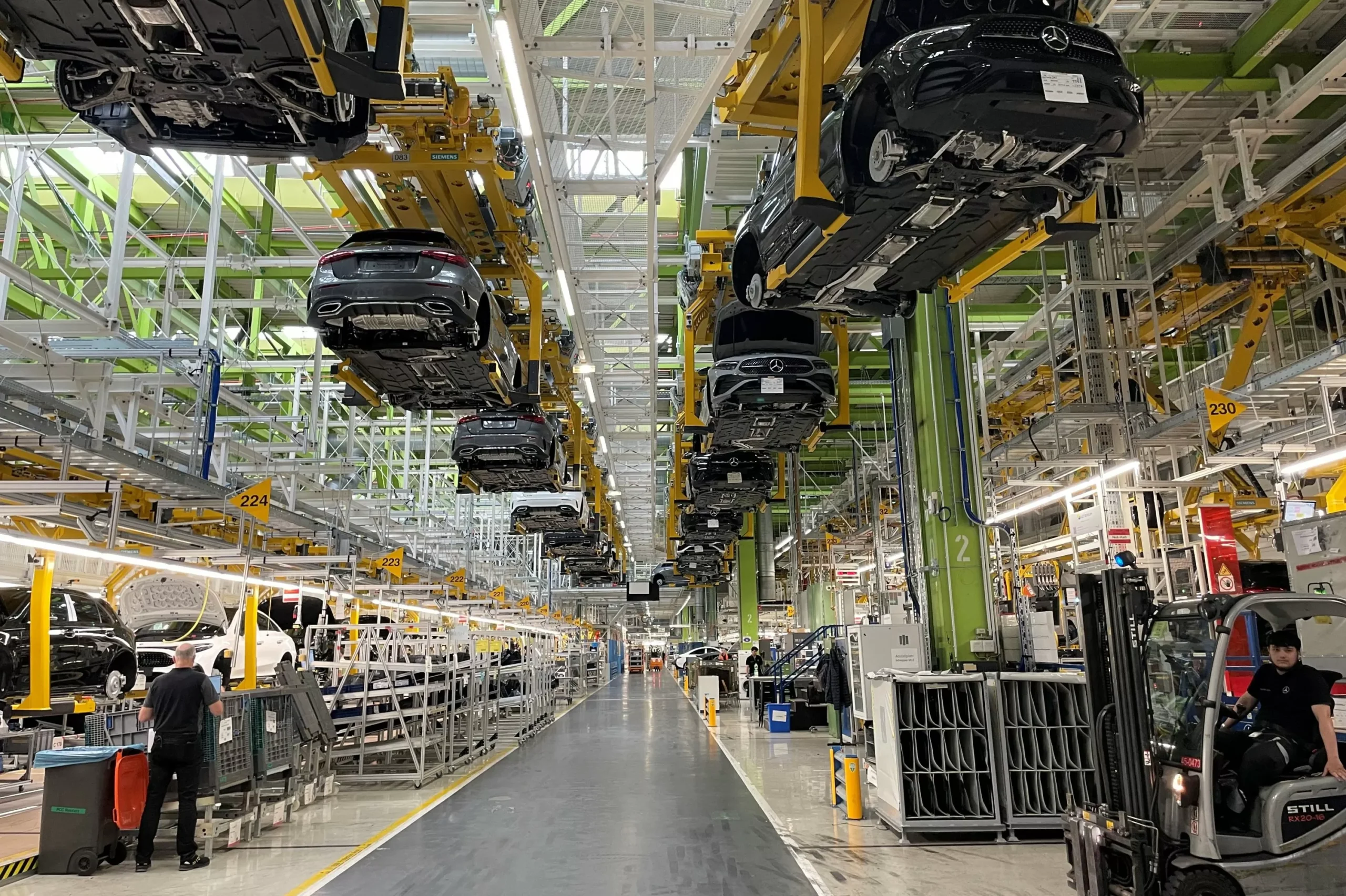
But despite the challenges, there are some positive signs that should not go unnoticed. The PMI for the manufacturing sector has shown significant improvement, rising to 63.4 in June from 63.1 in May. This reflects a robust expansion in the sector and is the highest reading since the survey began in 1997. This growth has been driven by a surge in demand for manufactured goods, both domestically and globally.
Another positive aspect is the vaccination progress in the Eurozone. As more and more people get vaccinated against COVID-19, there is hope that the virus will be contained, and the economy can gradually reopen. This will boost consumer confidence and spending, which will, in turn, support the services sector.
The European Central Bank (ECB) has also been playing a crucial role in supporting the economy. The bank has maintained its ultra-loose monetary policy, keeping interest rates low and providing ample liquidity to the financial system. This has helped businesses to access the necessary funds and continue their operations during these challenging times.
Moreover, the EU’s recovery fund of €800 billion is expected to provide a significant boost to the economy. The fund, which is aimed at supporting member states’ economic recovery, will be crucial in driving growth and creating jobs in the Eurozone. It will also help to improve the bloc’s competitiveness and resilience in the global market.
As the Eurozone gradually reopens and economic activity resumes, it is crucial for businesses to adapt to the new normal. The pandemic has accelerated the shift towards digitalization, and companies that have embraced this change have been able to weather the storm better. With many countries easing restrictions and opening up their borders, there is hope for a rebound in the services sector.
In conclusion, while the Eurozone’s economic activity may have flatlined for a second month, there are still reasons to remain positive. The manufacturing sector’s strong performance and the progress in vaccination provide hope for a gradual recovery. The support from the ECB and the EU’s recovery fund will also play a crucial role in driving growth. As we navigate through these challenging times, it is important to stay resilient and adapt to the changing circumstances. Together, we can overcome this crisis and emerge stronger.