

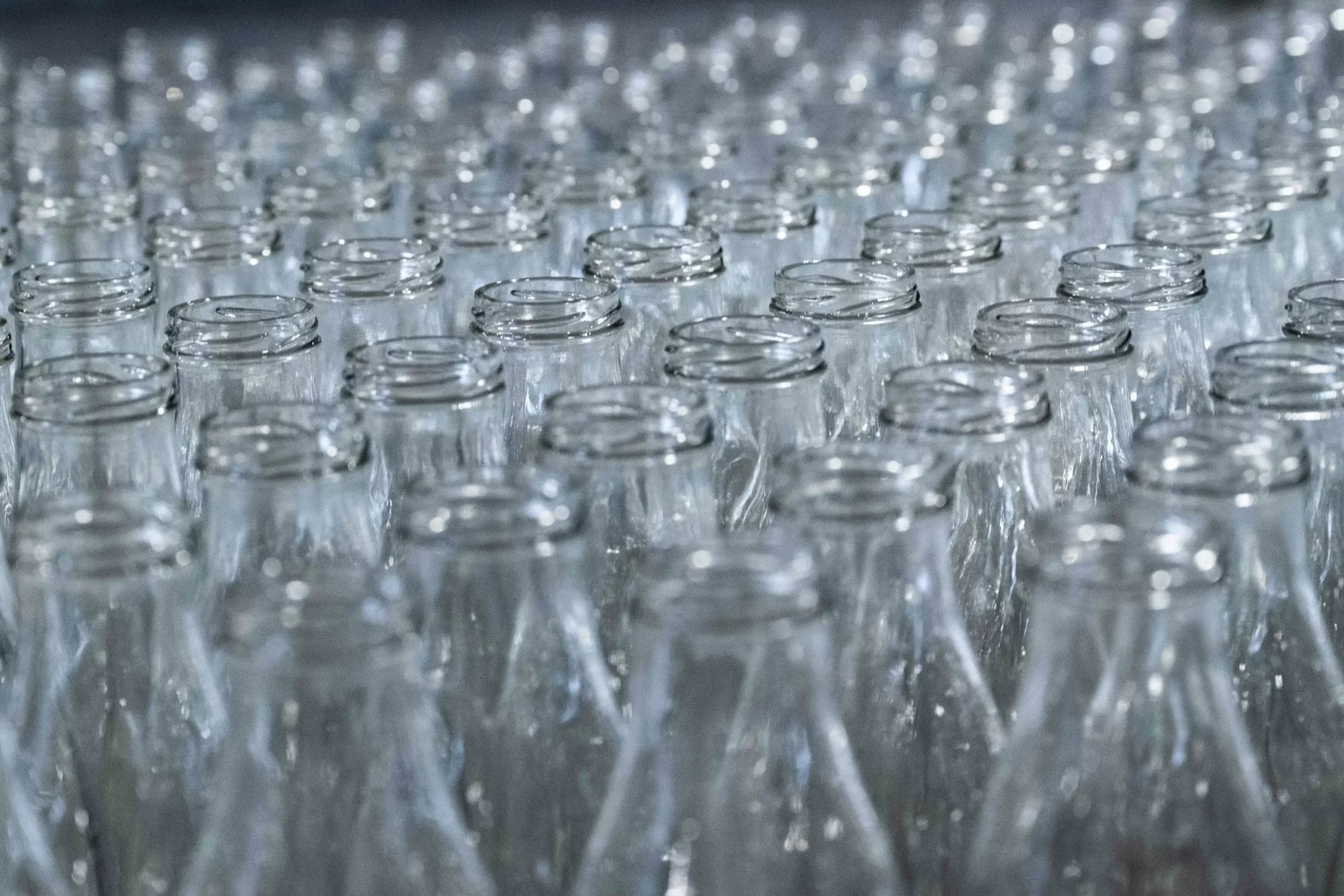

A recent study by France’s food safety agency has revealed surprising findings about the presence of microplastics in bottled drinks. According to the study, drinks sold in glass bottles, including water and soda, contain more microplastics than those sold in plastic bottles. This news has caused concern among consumers who have always believed that glass bottles are a safer and more sustainable option.
The study, conducted by the French Agency for Food, Environmental and Occupational Health and Safety, analyzed 26 different brands of drinks sold in glass and plastic bottles. The results showed that on average, drinks in glass bottles contained 75 microplastics particles per litre, while those in plastic bottles contained only 44 particles per litre. This means that glass bottles had almost twice the amount of microplastics as plastic bottles.
Microplastics are tiny pieces of plastic less than 5mm in size. They can be found in various forms, including microbeads in personal care products, fibers from synthetic clothing, and fragments from bigger plastic items. These particles can easily enter our bodies through ingestion or inhalation and have been linked to various health issues, including reproductive problems and cancer.
The study’s findings have puzzled many experts, as glass bottles are generally perceived as a safer and more sustainable option than plastic bottles. Glass is a natural material made from sand, soda ash, and limestone, while plastic is a synthetic material derived from petroleum. Glass bottles are also reusable and can be recycled indefinitely, whereas most plastic bottles have a limited recycling life.
So, how can glass bottles contain more microplastics than plastic bottles? The answer lies in the bottle caps. The study revealed that most of the microplastics found in glass bottle drinks were from the plastic seals on the bottle caps. These seals are used to prevent leakage and contamination but can also release microplastics into the drink during production or when the bottle is opened.
This discovery has raised questions about the safety of glass bottles and whether they are truly a better option than plastic bottles. However, experts are quick to point out that the study’s results do not mean that plastic bottles are now the better choice. In fact, plastic bottles have been found to release harmful chemicals, such as bisphenol A (BPA), into the drink, especially when exposed to high temperatures.
In light of these findings, the French food safety agency has recommended measures to reduce the amount of microplastics in bottled drinks. They suggest that producers use alternative materials for bottle caps, such as aluminum or bio-based polymers, which have a lower risk of releasing microplastics. They have also called for better waste management practices to reduce the amount of plastic waste that ends up in our environment.
Consumers can also take steps to reduce their exposure to microplastics by opting for drinks in recyclable plastic bottles and avoiding bottled drinks with plastic seals on the cap. They can also choose to drink tap water, which is tightly regulated and has significantly lower levels of microplastics compared to bottled water.
This study serves as a reminder that our choices as consumers have a direct impact on the environment and our health. While glass bottles may not be the perfect solution, they are still a better option than plastic bottles, which have a devastating effect on our planet. We must also push for stricter regulations and better waste management practices to reduce the amount of plastic waste that ends up in our oceans and landfills.
In conclusion, the study’s findings may come as a surprise, but they should not discourage us from making sustainable choices. Rather, they should motivate us to demand better and safer packaging options from producers. As consumers, we have the power to drive change and protect our planet for future generations. Let’s use this power to make a positive impact and choose wisely when it comes to our drinks and their packaging.