

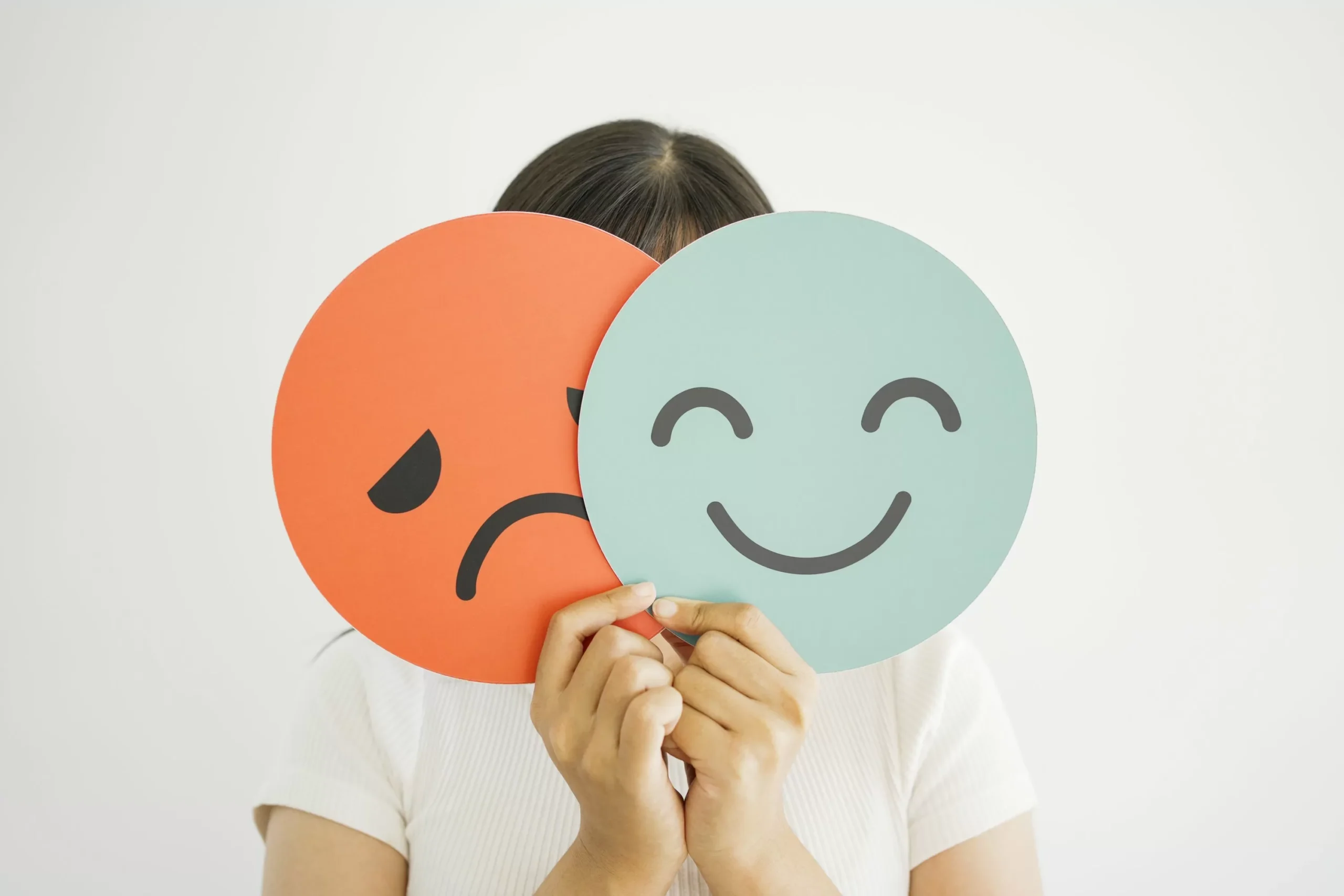

Seasonal Affective Disorder (SAD) is a type of depression that is commonly associated with the autumn and winter months. Many people experience a change in their mood and behavior during this time, often feeling more down and lethargic. However, what many people don’t realize is that SAD can also emerge during the summer season, causing significant psychological difficulties.
SAD is a form of depression that is related to the change in seasons. It is estimated that around 5% of the population experiences SAD, with the majority of cases occurring during the winter months. The condition is more common in women and in individuals living in northern regions, where there is less sunlight during the winter.
During the winter, the lack of sunlight can disrupt our body’s natural rhythms, leading to a decrease in the production of serotonin, a neurotransmitter that helps regulate mood. This can result in feelings of sadness, fatigue, and a lack of motivation. However, during the summer, the opposite can occur. The increase in sunlight can lead to an overproduction of serotonin, which can cause anxiety, irritability, and difficulty sleeping.
The symptoms of summer SAD are similar to those of winter SAD, but they can also differ in some ways. While winter SAD is often characterized by feelings of sadness and hopelessness, summer SAD can manifest as agitation and restlessness. This can make it difficult for individuals to relax and enjoy activities that they would normally find pleasurable.
One of the main challenges of summer SAD is that it often goes undiagnosed. Many people are not aware that SAD can occur during the summer, and may attribute their symptoms to other factors such as stress or a busy schedule. This can lead to a delay in seeking treatment and can have a significant impact on an individual’s mental health and well-being.
Fortunately, there are effective treatments available for summer SAD. Just like with winter SAD, light therapy can be beneficial in regulating the body’s natural rhythms and increasing serotonin levels. This involves sitting in front of a special light box for a designated amount of time each day. Additionally, psychotherapy and medication can also be helpful in managing symptoms.
In addition to seeking professional help, there are also lifestyle changes that can be made to alleviate symptoms of summer SAD. These include getting regular exercise, maintaining a healthy diet, and practicing relaxation techniques such as yoga or meditation. It is also important to try to get enough sleep and to limit exposure to artificial light, especially in the evening.
If you or someone you know is experiencing symptoms of summer SAD, it is important to seek help and support. Remember, you are not alone and there is no shame in seeking treatment for a mental health condition. With the right support and treatment, it is possible to manage and overcome summer SAD.
It is also important to remember that summer is a time for fun and enjoyment. Don’t let summer SAD hold you back from making the most of the season. Make an effort to engage in activities that bring you joy and surround yourself with positive people. Take advantage of the longer days and spend time outdoors, soaking up the sunlight and fresh air.
Summer SAD may be a challenging condition, but it is important to remember that it is temporary and can be managed. By seeking help and making positive lifestyle changes, you can overcome the symptoms and enjoy all that summer has to offer. So, don’t let summer SAD dampen your spirits. Embrace the season and make the most of it.