

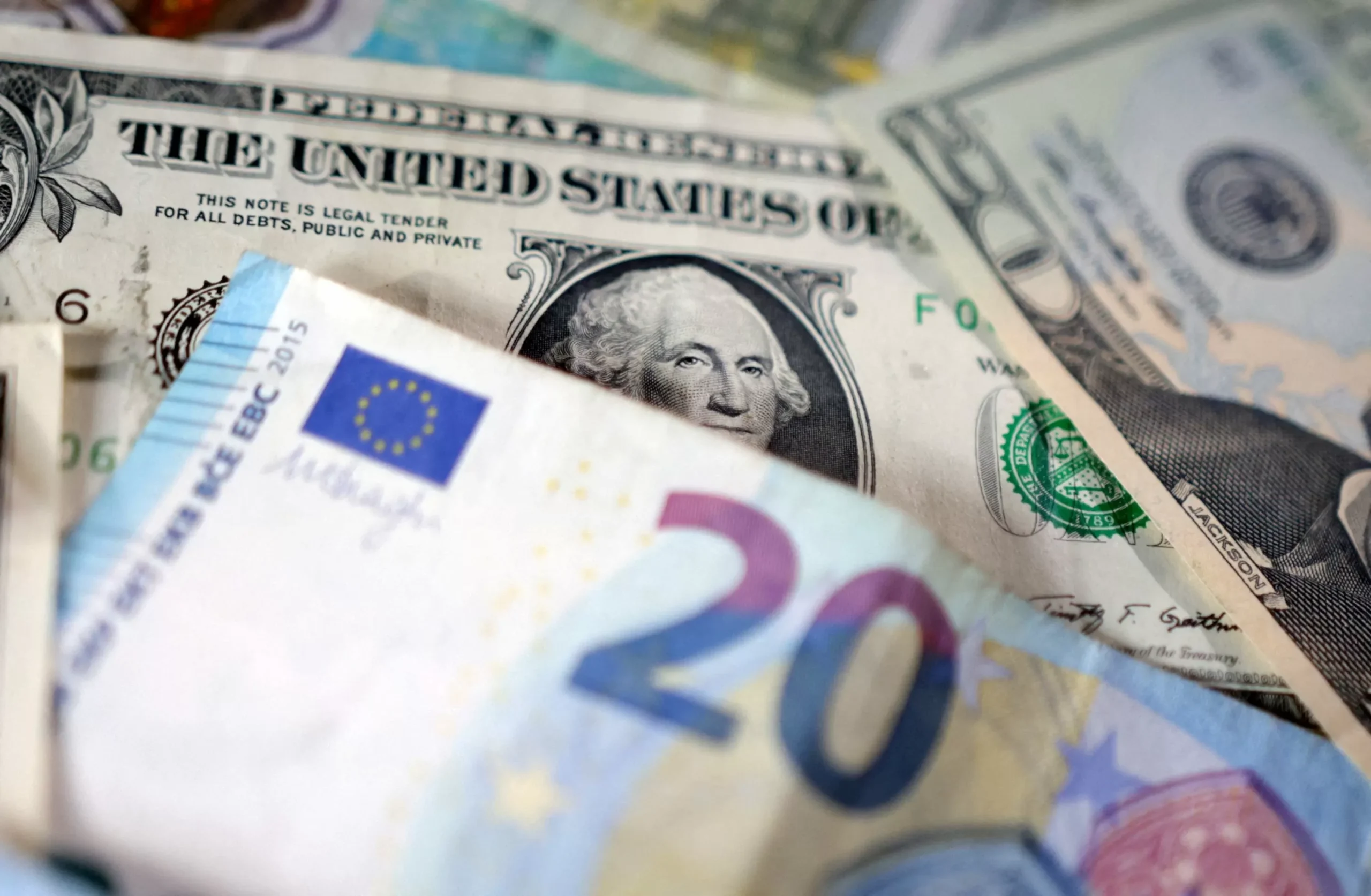

The euro, the official currency of the European Union, has been facing a tough battle in the global market. On Tuesday, it struggled to regain its losses against the U.S. dollar, as investors closely analyzed the details of the new trade deal between the U.S. and the EU. While the initial reaction to the deal was positive, it became clear that the terms heavily favored the U.S., leaving the euro in a vulnerable position.
The trade deal, which was announced on Monday, was seen as a step towards easing the ongoing trade tensions between the two economic powerhouses. It was a much-needed relief for the global markets, which have been on edge due to the escalating trade war between the U.S. and China. However, as the details of the deal emerged, it became evident that the EU had made significant concessions to the U.S., putting the euro at a disadvantage.
One of the key terms of the deal was the increase in U.S. exports of liquefied natural gas (LNG) to the EU. This was seen as a major win for the U.S. as it looks to reduce its trade deficit with the EU. On the other hand, the EU agreed to lower its tariffs on U.S. cars, a move that could potentially harm the European auto industry. These terms were seen as lopsided, with the U.S. gaining more benefits from the deal.
As a result, the euro saw a sharp decline against the U.S. dollar, falling to a 13-month low of $1.1574. This was a significant drop from its previous level of $1.1717. The euro also fell against other major currencies, including the Japanese yen and the British pound. This sudden drop in the value of the euro sent shockwaves through the global markets, with investors scrambling to understand the implications of the trade deal.
The euro has been facing a tough time in recent months, as the European Central Bank (ECB) announced its plans to end its bond-buying program by the end of this year. This decision, coupled with the ongoing trade tensions, has put the euro under immense pressure. The new trade deal with the U.S. has only added to these concerns, as it could potentially harm the already fragile eurozone economy.
However, despite these challenges, there is still hope for the euro. The ECB has assured that it will continue to support the eurozone economy through its monetary policy measures. The EU also has the option to retaliate against the U.S. if it feels that the trade deal is unfair. This could potentially level the playing field and provide some relief for the struggling euro.
Moreover, the euro has proven its resilience in the past. It has weathered through various crises, including the Greek debt crisis and the Brexit vote. This shows that the euro has the strength to bounce back from its current setback and regain its position in the global market.
In addition, the eurozone economy has been showing signs of improvement. The latest data shows that the eurozone economy grew by 0.4% in the second quarter of this year, beating expectations. This growth was driven by strong domestic demand and a rebound in exports. This is a positive sign for the euro and could help it recover from its current losses.
In conclusion, while the initial reaction to the new trade deal between the U.S. and the EU was positive, it became clear that the terms heavily favored the U.S. This has put the euro in a difficult position, causing it to struggle against the U.S. dollar. However, there is still hope for the euro as the ECB continues to support the eurozone economy and the EU has the option to retaliate against the U.S. The euro has proven its resilience in the past and with the eurozone economy showing signs of improvement, it is only a matter of time before the euro regains its strength in the global market.