

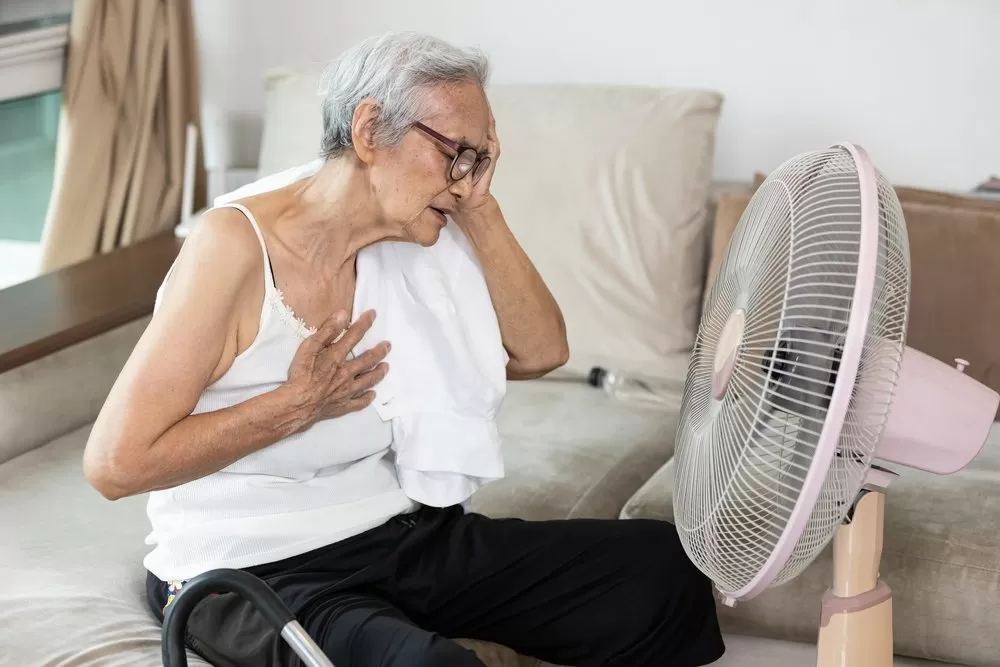

Experts Warn of Potential Health Risks in Hot Weather: Heart Disease and Panic Attacks
As the temperatures rise and the sun beats down, many of us are eager to soak up the summer heat. However, experts are warning that the hot weather can bring about more than just a sun-kissed glow. Complaints such as palpitations, chest pain, and shortness of breath, commonly observed during hot weather, can be indicative of serious health issues such as heart disease and panic attacks. This has led experts to advise caution and raise awareness about the potential risks associated with hot weather.
Heart disease is a leading cause of death globally, and hot weather can exacerbate the symptoms and increase the risk of heart attacks. The combination of high temperatures and humidity can cause the heart to work harder, leading to an increase in heart rate and blood pressure. This can be particularly dangerous for individuals with pre-existing heart conditions, as their heart may not be able to cope with the added strain. In extreme cases, this can result in a heart attack.
Similarly, panic attacks, which are characterized by sudden and intense feelings of fear and anxiety, can also be triggered by hot weather. The heat can cause the body to produce excess adrenaline, leading to a rapid heart rate, chest pain, and difficulty breathing. These symptoms can be mistaken for a heart attack, causing further distress and anxiety for the individual experiencing a panic attack.
It is crucial to note that both heart disease and panic attacks can have similar symptoms, making it difficult to differentiate between the two. This is why it is essential to seek medical attention if you experience any of these symptoms during hot weather. Ignoring these warning signs can have severe consequences and put your health at risk.
Experts recommend taking precautions to protect yourself from the potential health risks associated with hot weather. Staying hydrated is crucial, as dehydration can put added strain on the heart and trigger panic attacks. It is also advisable to limit physical activity during the hottest parts of the day and take breaks in a cool, shaded area if you must be outdoors. Wearing loose-fitting, light-colored clothing can also help regulate body temperature and prevent overheating.
Moreover, it is essential to be aware of your body and listen to its signals. If you experience any unusual symptoms, do not ignore them. Seek medical attention immediately, as early detection and treatment can make a significant difference in managing heart disease and panic attacks.
In addition to physical precautions, it is equally important to take care of your mental health during hot weather. The heat can be physically and mentally draining, leading to increased stress and anxiety. It is crucial to practice self-care and find ways to relax and de-stress. This can include activities such as meditation, yoga, or simply taking a break to read a book or listen to calming music.
Furthermore, it is essential to be mindful of those around us, especially the elderly and individuals with pre-existing health conditions. They are more vulnerable to the effects of hot weather and may require extra care and attention. Checking in on them and ensuring they are staying cool and hydrated can make a significant difference in their well-being.
In conclusion, while we all enjoy the warm weather, it is essential to be aware of the potential health risks it can bring. Experts warn that complaints such as palpitations, chest pain, and shortness of breath during hot weather should not be taken lightly and can be indicative of heart disease and panic attacks. By taking necessary precautions and being mindful of our bodies and those around us, we can enjoy the summer while keeping ourselves and our loved ones safe and healthy.