

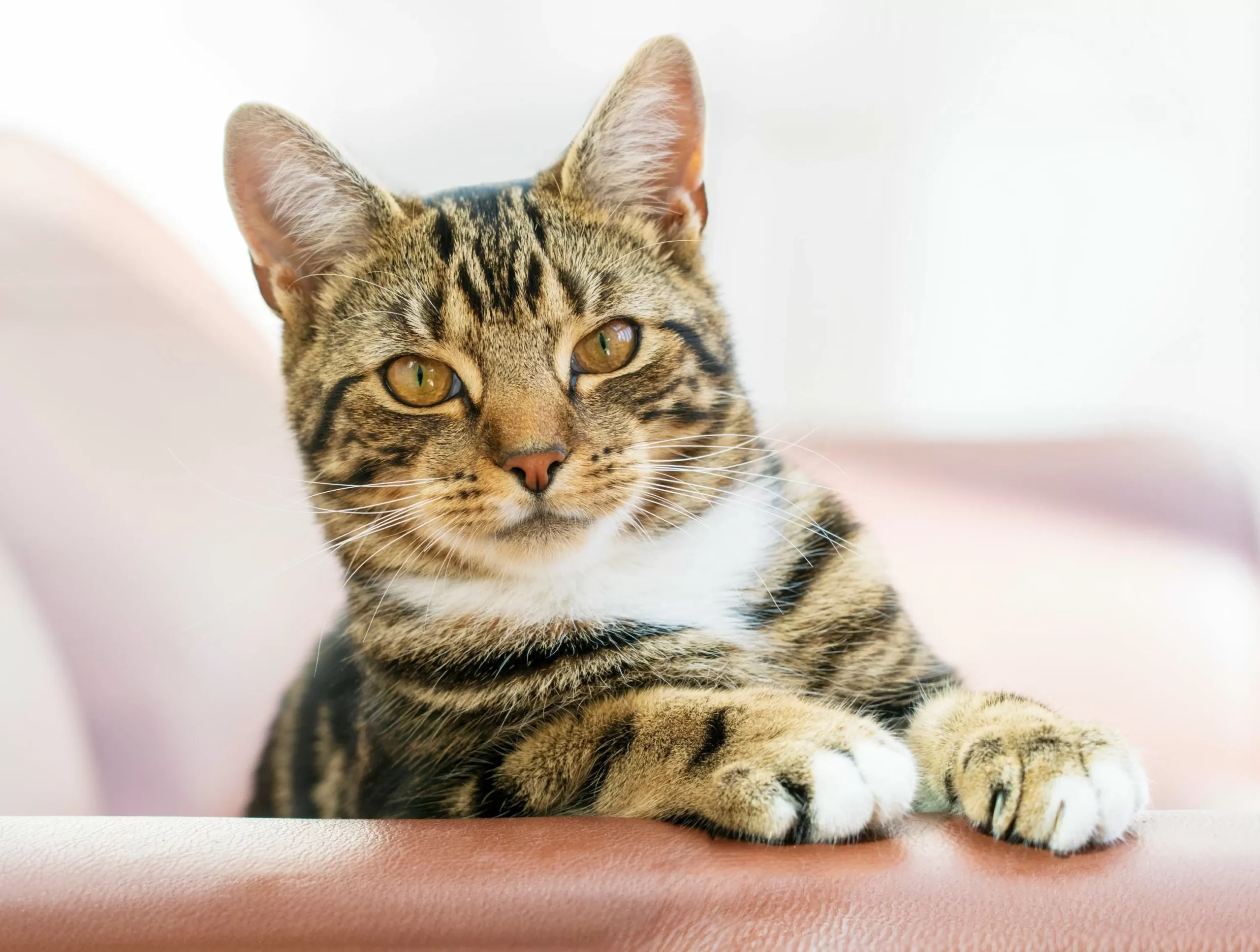

Cats are beloved pets that have been a part of human households for centuries. Known for their independence, grace, and playful nature, cats have always been a source of joy and companionship for their owners. However, just like humans, cats can also experience the effects of aging, including the development of dementia. In recent years, scientists have discovered that cats can develop dementia in a similar way to humans with Alzheimer’s disease, which has sparked hope for potential breakthroughs in research and treatment.
According to experts at the University of Edinburgh’s Royal (Dick) School of Veterinary Studies, cats can experience age-related cognitive decline, which is characterized by a decrease in memory and learning abilities. This decline is caused by the build-up of a protein called beta-amyloid in the brain, similar to what happens in Alzheimer’s disease in humans. This protein disrupts the normal functioning of brain cells, leading to cognitive decline and symptoms of dementia.
Dr. Danielle Gunn-Moore, a professor of feline medicine at the University of Edinburgh, explains that cats can experience changes in their behavior and personality as they age. These changes may include confusion, disorientation, and forgetting previously learned behaviors. This can be distressing for both the cat and their owners, as the once-independent feline may become more reliant on their human companions for care and support.
While the exact cause of dementia in cats is still unknown, researchers believe that genetics, diet, and environmental factors may play a role. For example, indoor cats may be more prone to developing dementia due to a lack of mental stimulation compared to outdoor cats who have more opportunities for exercise and exploration.
But what is most exciting is that scientists have found that cats can be used as a model for Alzheimer’s disease in humans. This means that by studying the effects of dementia in cats, researchers can gain insights into how the disease develops and progresses in humans. This comparison research has already led to significant breakthroughs in understanding the underlying mechanisms of dementia and potential treatments.
One such breakthrough is the development of a new drug called Anavex 2-73, which has shown promising results in improving cognitive function in cats with dementia. This drug works by targeting and reducing the build-up of beta-amyloid in the brain, which in turn can slow down the progression of dementia. While the drug is still in the early stages of clinical trials, it holds great potential for treating both feline and human dementia in the future.
Additionally, researchers have also found that certain dietary changes can help improve cognitive function in cats with dementia. A study conducted by the University of California, Davis, found that cats fed a diet enriched with antioxidants, omega-3 fatty acids, and medium-chain triglycerides (MCTs) showed improvements in their cognitive abilities. These nutrients are known to have anti-inflammatory and brain-protective properties, which can help slow down the progression of dementia.
The discovery of similarities between feline and human dementia has also led to the creation of a new field of research called “One Health.” This field focuses on the interconnectedness of human, animal, and environmental health and how studying one can benefit the others. By collaborating and sharing knowledge between veterinarians and human health professionals, researchers hope to find new and effective treatments for both feline and human dementia.
The news of cats being able to develop dementia may be concerning for many pet owners. Still, it is essential to remember that with proper care and treatment, cats can continue to live happy and fulfilling lives even with cognitive decline. As Dr. Gunn-Moore says, “Cats with dementia can still have good quality of life, and it is essential to keep them comfortable, safe, and well-stimulated.”
In conclusion, the discovery that cats can develop dementia similarly to humans with Alzheimer’s disease is an exciting development in the field of research and has given hope for potential breakthroughs in treatment. By studying feline dementia, researchers can gain valuable insights into the disease and develop new treatments for both cats and humans. This is yet another reminder of the strong bond between humans and animals and how we can work together to improve the health and well-being of all species.