

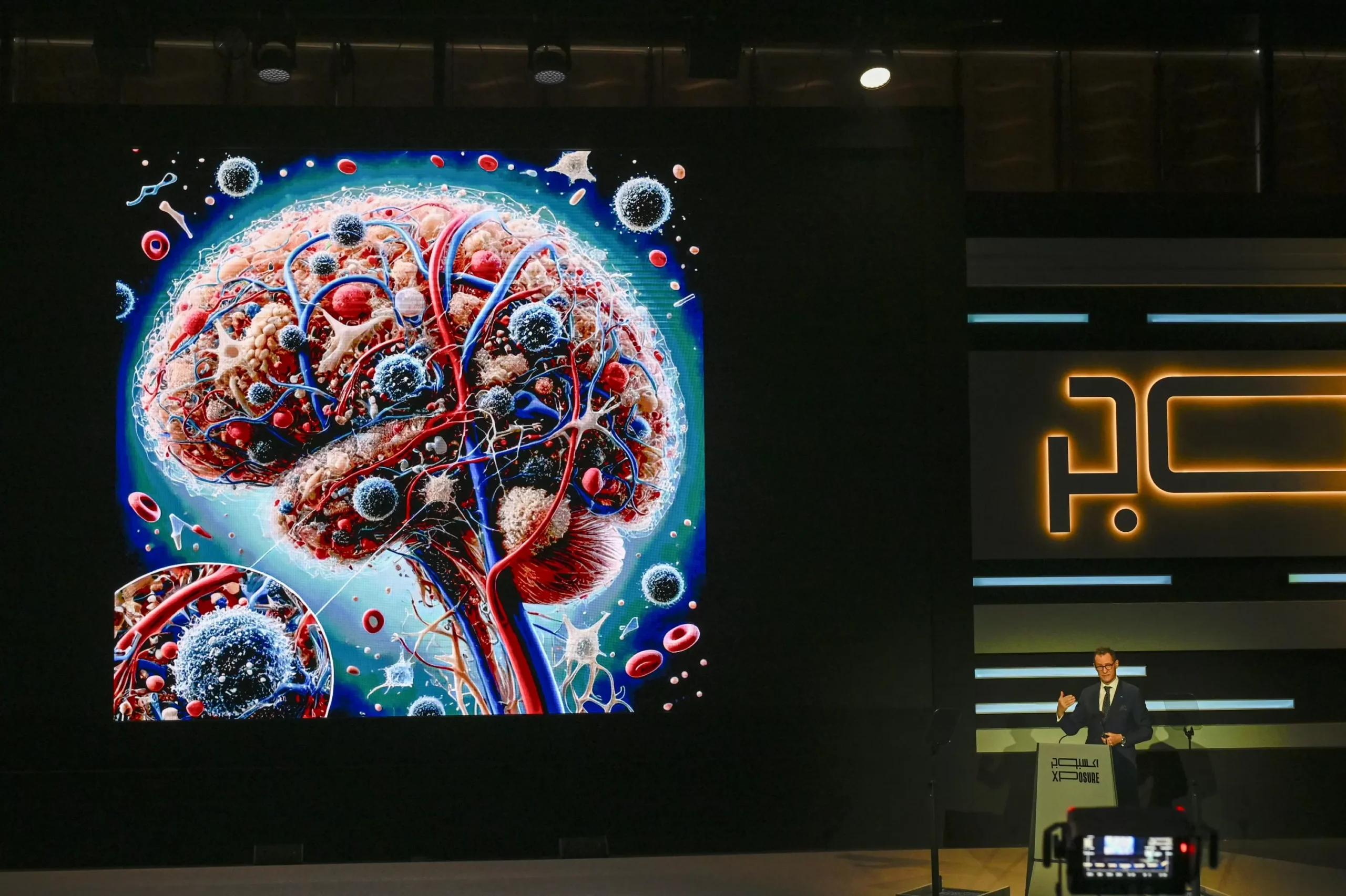

Tiny shards of plastic, known as microplastics, have become a growing concern in recent years. These minuscule particles, measuring less than 5 millimeters in size, have been found to accumulate in various parts of our environment, including our oceans, soil, and even in the air we breathe. However, the latest discovery of microplastics in human brains has raised even more alarm bells. While experts are still investigating the potential harm these particles may cause, it is crucial to understand the current state of research and take necessary steps to protect ourselves and our planet.
The presence of microplastics in our brains was first reported in a study conducted by researchers at the Medical University of Vienna and the Environment Agency Austria. The study, published in January 2021, analyzed brain tissue samples from 13 individuals and found microplastics in all of them. These particles were mainly made up of polystyrene and polyethylene, commonly used in plastic packaging and other consumer products. The study’s lead author, Dr. Philipp Schwabl, stated that the findings were “a matter of great concern” and called for further research to understand the potential health implications.
The discovery of microplastics in human brains has sparked a debate among experts about the possible harm they may cause. While some believe that these particles may have adverse effects on our health, others argue that the current evidence is not enough to make such claims. According to Dr. Maria Neira, Director of the Department of Environment, Climate Change, and Health at the World Health Organization, “there is no evidence to suggest that microplastics in our brains are causing harm.” She also added that more research is needed to understand the potential risks and urged caution in interpreting the current findings.
One of the main concerns surrounding microplastics is their ability to enter our bodies through various sources, such as food, water, and even the air we breathe. These particles are so tiny that they can easily pass through our digestive and respiratory systems, making their way into our tissues and organs. However, the exact mechanisms of how microplastics affect our bodies are still not fully understood. Some studies suggest that they may cause inflammation and damage to our cells, while others argue that our bodies can eliminate these particles without any adverse effects.
Despite the ongoing debate, one thing is clear – microplastics are a global problem that requires immediate action. The production and consumption of plastic have been on the rise in recent years, and it is estimated that by 2050, there will be more plastic in the ocean than fish. This not only poses a threat to marine life but also to our own health. The plastic particles found in our brains are just a small fraction of the plastic pollution that is present in our environment. It is essential to address the root cause of this issue and reduce our plastic consumption to prevent further harm.
Governments and industries must take responsibility and implement measures to reduce plastic production and promote sustainable alternatives. Individuals can also play a crucial role in reducing plastic pollution by making simple changes in their daily lives. These include using reusable bags and containers, avoiding single-use plastics, and properly disposing of plastic waste. By working together, we can make a significant impact in reducing the amount of plastic in our environment and protecting our health.
In conclusion, the discovery of microplastics in human brains is a concerning development, but it is not yet enough evidence to say whether it is doing us harm. While experts continue to investigate the potential health risks, it is crucial to take action to reduce plastic pollution and protect our planet. Let us all do our part in creating a cleaner and healthier future for ourselves and the generations to come.