


France’s 30-year government bond yields have reached a new high, the highest in over 16 years, as concerns over fiscal policies have pushed the rates up. This development has come as a surprise to many as France has always been a strong player in the global economy and has been able to maintain a stable fiscal policy in the past.
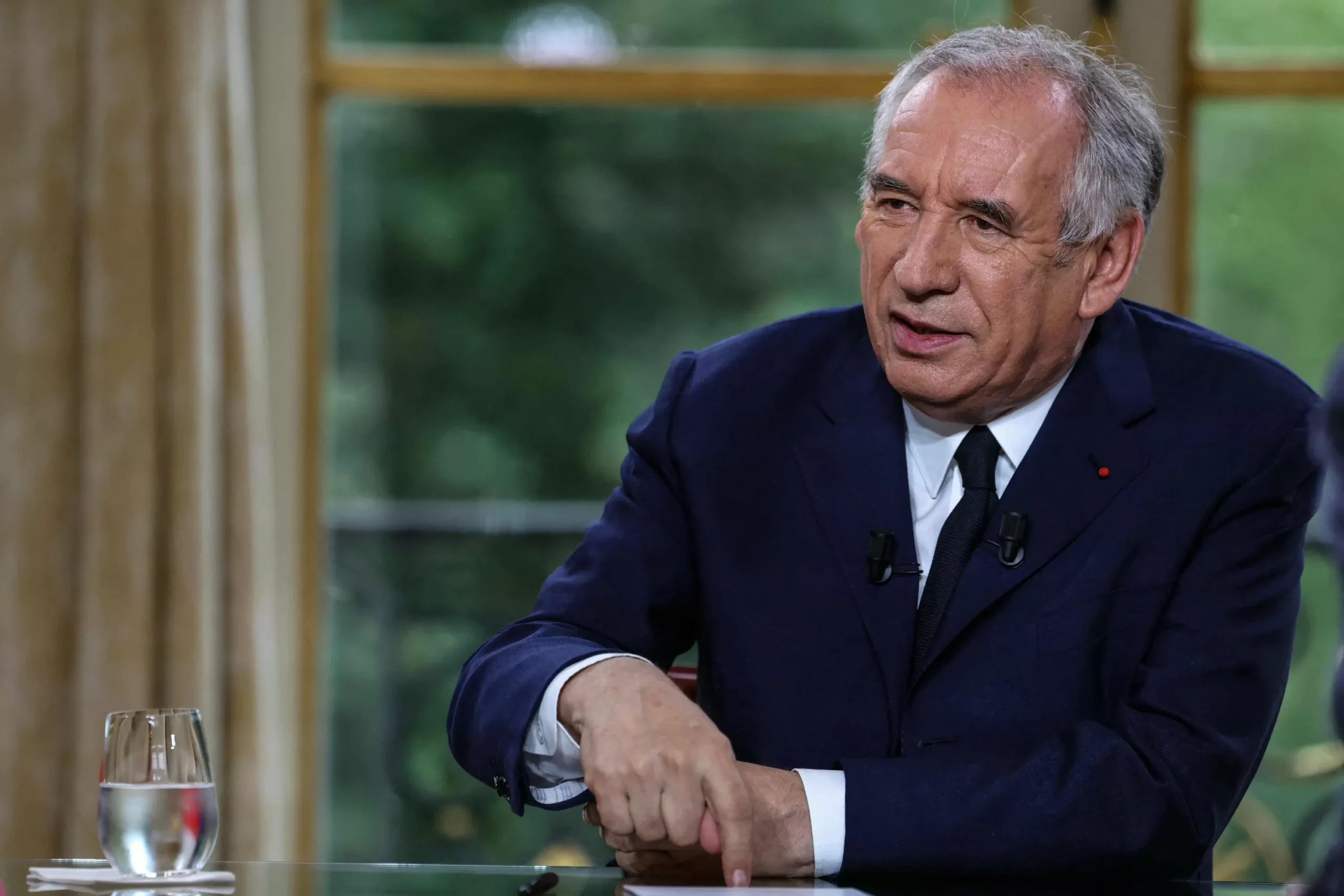
On Tuesday, Prime Minister Francois Bayrou launched talks with political leaders to address the issue of rising bond yields. This move shows the government’s commitment to tackling the fiscal challenges that the country is currently facing. It also reflects the government’s willingness to engage in open dialogue and work towards finding a solution.
The French economy has been facing a number of challenges in recent years, including slow growth and high unemployment. This has put pressure on the government to take measures to stimulate the economy and create job opportunities. However, these efforts have also resulted in an increase in the country’s debt levels, causing concerns among investors.
The rise in bond yields, which is the cost of borrowing for the French government, is a clear indication that investors are becoming increasingly worried about the country’s fiscal situation. This is a cause for concern as high bond yields can make it more difficult for the government to borrow money in the future, hindering its ability to fund important projects and stimulate economic growth.
The French government has acknowledged these concerns and is taking steps to address them. The talks initiated by Prime Minister Bayrou aim to find solutions to reduce the country’s debt levels and restore investor confidence. This proactive approach by the government is commendable and shows its determination to tackle the challenges head on.
The rise in bond yields may also have a positive impact on the country’s economy in the long run. It will force the government to adopt a more responsible fiscal policy and focus on reducing the budget deficit. This could lead to long-term stability and growth for the French economy.
Moreover, the increase in bond yields is not unique to France. Other major economies such as the United States and Germany have also experienced a rise in their bond yields in recent months. This is a result of the global economic uncertainty and the rising interest rates set by central banks.
Despite the concerns over fiscal policies, there are still many reasons to remain optimistic about the French economy. The country has a highly skilled workforce, a strong industrial base, and a diverse and innovative business sector. These factors, combined with the government’s efforts to address fiscal challenges, make France a resilient and attractive place for investors.
It is also worth noting that the rise in bond yields is not a cause for panic. It is a normal part of the financial market cycle and is often seen as a correction rather than a crisis. It is a signal of the market’s confidence in the French economy and its ability to handle challenges.
In conclusion, the recent increase in France’s 30-year government bond yields may have caused some concerns, but it is also a wake-up call for the government to take necessary steps to address fiscal challenges. The talks initiated by Prime Minister Bayrou are a positive step in the right direction and show the government’s commitment to finding a solution. With its strong fundamentals and proactive approach, France is well-positioned to overcome these challenges and continue its path towards economic growth and stability.