


As the world’s largest economy, the United States holds great influence over the global financial landscape. Any decisions made by the U.S. government, particularly in regards to monetary policy, have a ripple effect on economies around the world. That is why the recent speculation of U.S. President Donald Trump taking control of U.S. monetary policy is causing concern and unease among global leaders and economists.
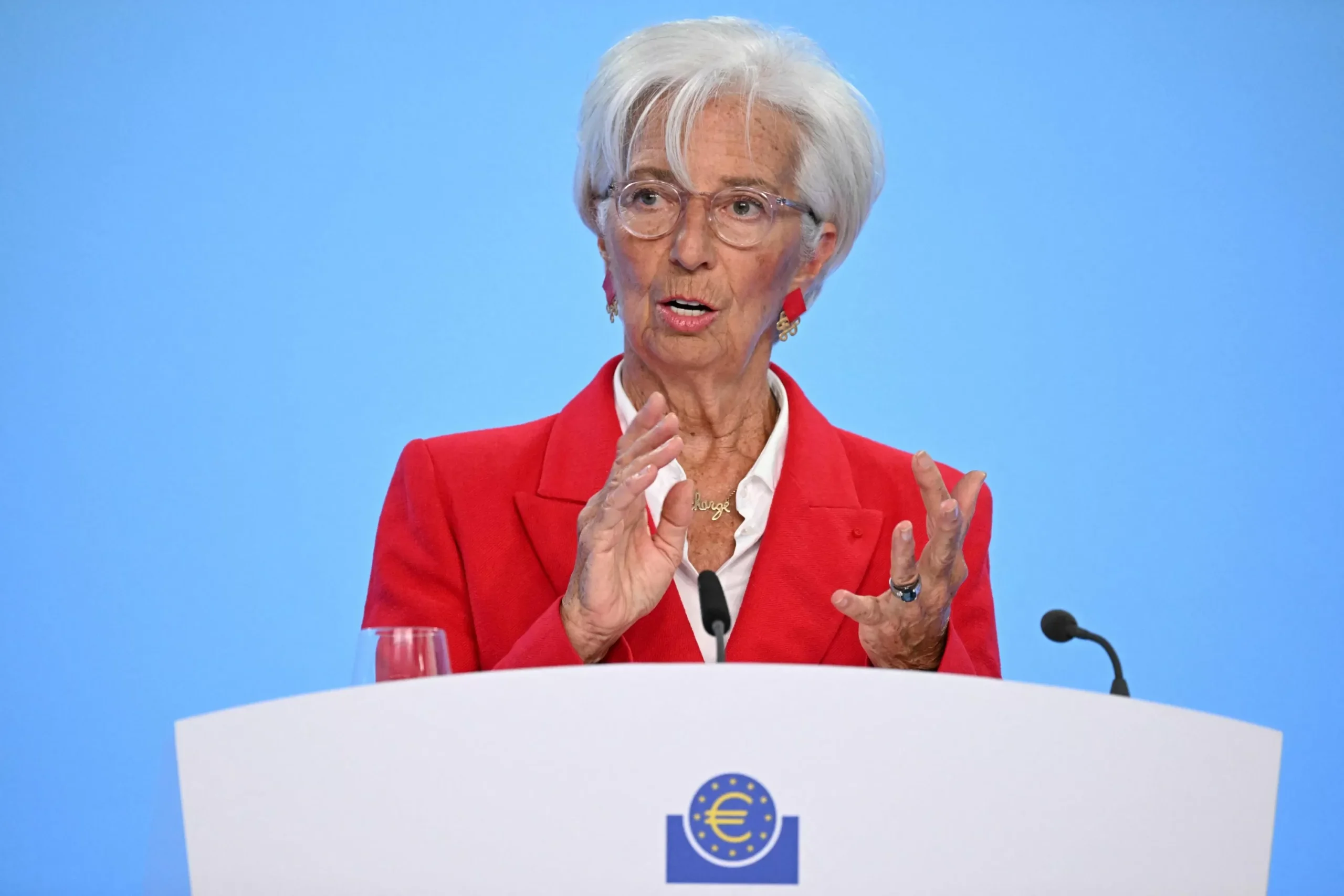
The idea of President Trump taking control of U.S. monetary policy was raised by European Central Bank (ECB) chief Christine Lagarde, who warned that it would be extremely dangerous for the global economy. And she is absolutely right. Allowing a political figure, especially one with a volatile and unpredictable nature like President Trump, to have a direct influence on monetary policy decisions would have disastrous consequences for the global economy.
Firstly, it is important to understand the role of monetary policy in a country’s economy. Monetary policy is the process by which a country’s central bank manages the supply and cost of money in the economy to achieve its economic goals. This includes setting interest rates, controlling inflation, and regulating the money supply. These decisions are made based on data and analysis, not political agendas. Allowing a political figure to interfere in this process would undermine the independence and credibility of the central bank, leading to uncertainty and instability in the financial markets.
President Trump has a history of making impulsive and ill-advised decisions, often without consulting his advisors or considering the consequences. This is a dangerous trait for someone who would have control over monetary policy. The global economy is already facing challenges such as trade tensions and slowing growth. Allowing President Trump to make decisions that could further destabilize the economy would only add fuel to the fire.
Moreover, President Trump’s lack of understanding of economic principles is a cause for concern. He has repeatedly criticized the Federal Reserve for raising interest rates, claiming that it is hurting the U.S. economy. However, raising interest rates is a necessary tool to control inflation and maintain a stable economy. If President Trump were to have control over monetary policy, he could potentially make decisions based on his personal opinions rather than what is best for the economy. This would not only harm the U.S. economy but also have a domino effect on the global economy.
Furthermore, President Trump’s unpredictable nature has already caused market volatility in the past. His tweets and statements have the power to move markets, causing fluctuations in stock prices and currency values. Giving him control over monetary policy would only increase this volatility and make it harder for businesses and investors to make long-term plans. This uncertainty would have a negative impact on the global economy, as businesses and investors would be hesitant to make investments and create jobs.
It is also worth noting that the U.S. dollar is the world’s reserve currency, meaning it is used for international trade and as a store of value by central banks around the world. Any changes in U.S. monetary policy have a direct impact on the value of the dollar, which in turn affects global trade and financial stability. Allowing a political figure to control this policy would not only harm the U.S. economy but also have far-reaching consequences for the global economy.
In contrast, the current system where the Federal Reserve operates independently from the government has proven to be effective in maintaining economic stability. This independence allows the central bank to make decisions based on economic data and analysis, rather than political pressure. It also provides a check on the government’s power, ensuring that monetary policy is not used for political gain.
In conclusion, the idea of President Trump taking control of U.S. monetary policy is a dangerous one that could have catastrophic effects on the global economy. It would undermine the independence of the central bank, increase uncertainty and volatility, and potentially harm the U.S. dollar as the world’s reserve currency. As ECB chief Christine Lagarde rightly pointed out, it is in the best interest of the global economy to keep politics out of monetary policy decisions. Let us hope that this remains the case and that the U.S. government continues to respect the independence of its central bank.