

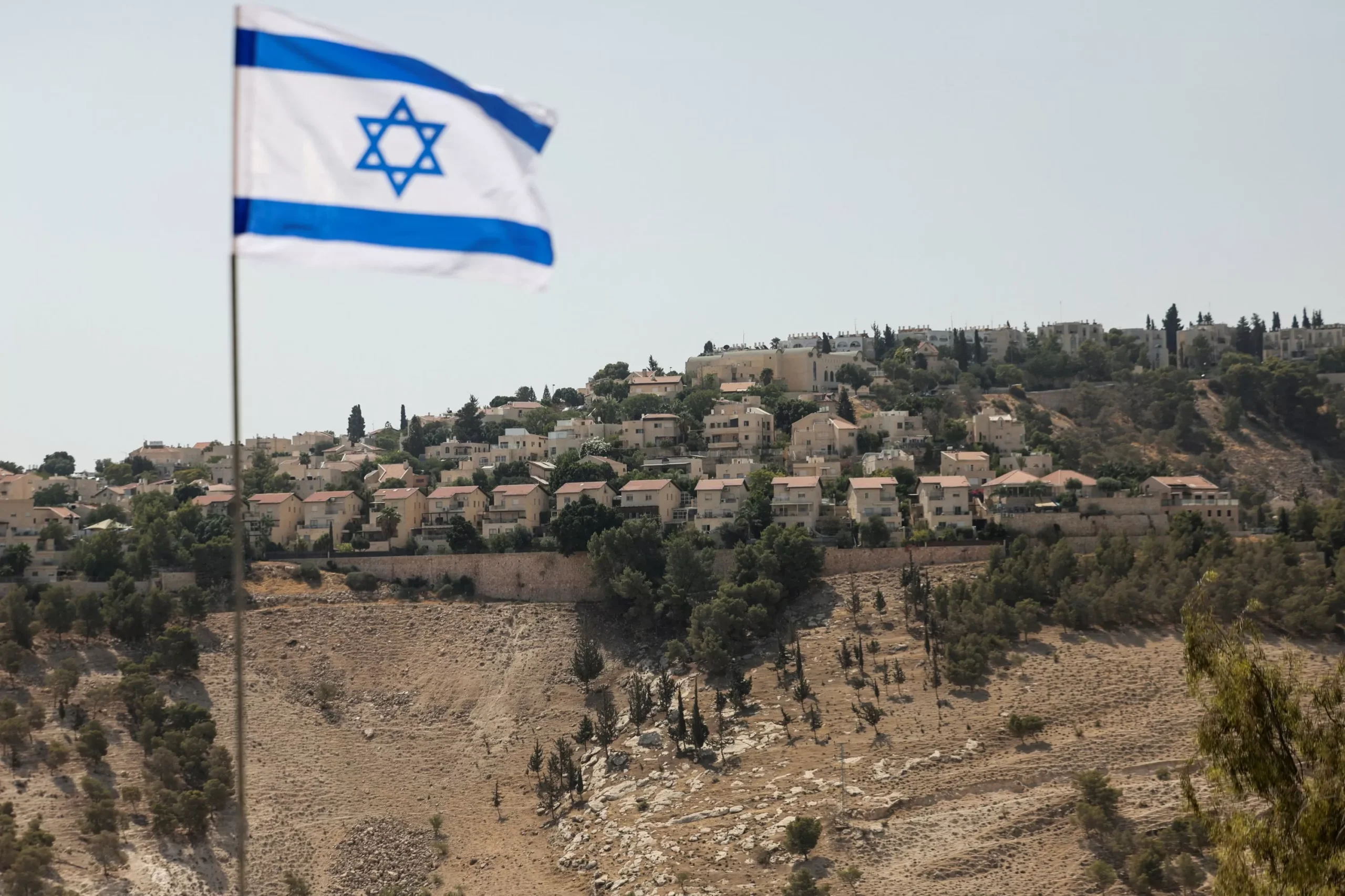

Nearly 160 Companies Doing Business in Israeli Settlements in Occupied West Bank, Despite UN Ruling
In a recent report released by the United Nations, it has been revealed that nearly 160 companies are operating and conducting business in Israeli settlements in the occupied West Bank, despite the region being declared illegal by the UN’s highest court. This revelation has caused outrage and concern among human rights activists and organizations, who are calling for immediate action to be taken against these companies.
The report, compiled by the UN Human Rights Council’s database of businesses, identified 112 companies based in Israel and 47 based in six other countries, including the United States, that are involved in economic activities in the settlements. These companies operate in a variety of industries, including tourism, technology, and agriculture, and their continued presence in the settlements has been deemed as a violation of international law.
The settlements in the occupied West Bank have been a contentious issue for decades, with Israel building them on land captured during the 1967 Middle East war. The UN and other international bodies have repeatedly condemned these settlements, stating that they are illegal under international law and a major obstacle to achieving peace in the region.
The UN’s highest court, the International Court of Justice, ruled in 2004 that the settlements were a violation of the Fourth Geneva Convention, which prohibits countries from transferring their own population into occupied territory. Despite this ruling, Israel has continued to expand and encourage the growth of settlements, with the support of these companies.
The report also highlights the detrimental impact of these settlements on the Palestinian people, who are often displaced from their homes and land to make way for the construction of these illegal settlements. The presence of businesses in these settlements only serves to further entrench the occupation and perpetuate the violation of the rights of Palestinians.
It is time for these companies to be held accountable for their actions and for the international community to take a stand against the ongoing violation of Palestinian rights. The UN report has called for the companies to cease their activities in the settlements and for their governments to take necessary measures to ensure compliance with international law.
The United Nations and various human rights organizations have urged countries to take action against these companies, including through divestment and sanctions. It is crucial for these businesses to understand that their operations in the settlements are not just morally wrong, but also illegal under international law.
However, there is also a responsibility on the part of consumers to be aware of the companies they support and to hold them accountable for their actions. By choosing to boycott companies that operate in the settlements, individuals can contribute to the efforts of the international community in ending the illegal occupation and promoting justice for Palestinians.
It is heartening to see that some companies, such as Airbnb and Booking.com, have already taken steps to remove listings in Israeli settlements. This serves as a positive example for other companies to follow suit and take a stand against the ongoing violation of human rights in the occupied West Bank.
In conclusion, the UN report sheds light on the continued violation of international law and the rights of Palestinians by nearly 160 companies operating in Israeli settlements in the occupied West Bank. It is time for these companies to be held accountable for their actions and for the international community to take a firm stance against the illegal occupation. It is also a call to action for consumers to be mindful of the companies they support and to join the efforts in promoting justice and peace in the region. Only through collective efforts can we bring an end to the suffering of the Palestinian people and work towards a just and lasting solution for all.