

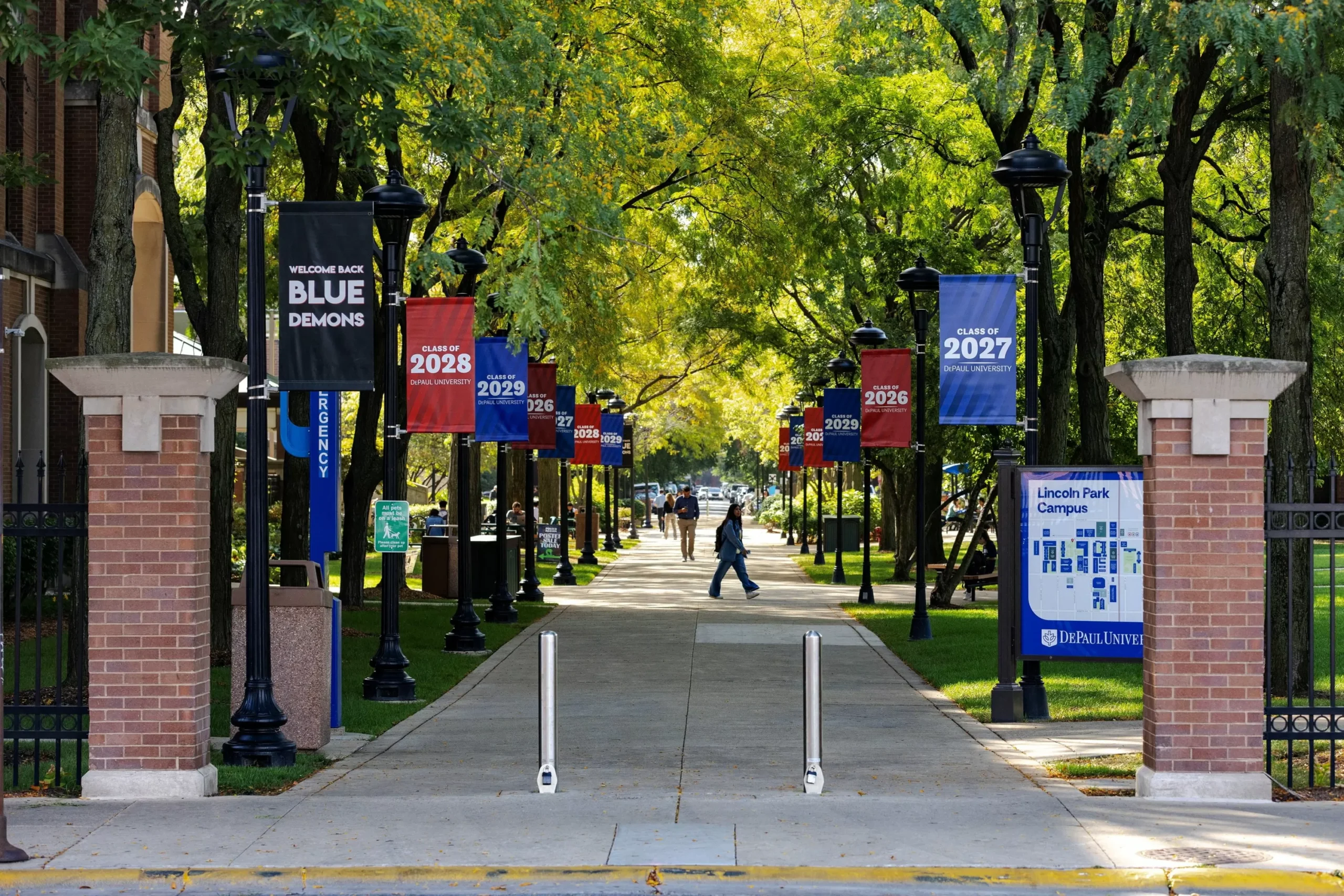

DePaul University is the latest institution to announce spending reductions in the face of a challenging economic climate for U.S. colleges. The university, located in Chicago, has joined a growing number of schools that are grappling with the fallout from President Donald Trump’s disruptive immigration and education policies.
In an effort to manage its budget, DePaul has announced a number of cost-cutting measures, including a freeze on hiring and non-essential travel, as well as a reduction in discretionary spending. The university’s president, A. Gabriel Esteban, explained that these measures are necessary due to the uncertainty and financial strain caused by recent policy changes.
One of the major factors impacting DePaul and other universities is the decline in international student enrollment. According to the Institute of International Education, the number of new international students coming to the U.S. for higher education has decreased by 6.6% in the 2017-2018 academic year. This decline is largely attributed to the current administration’s policies, such as the travel ban and stricter visa regulations.
At DePaul, international students make up a significant portion of the student body, bringing diversity and unique perspectives to the campus community. However, with the decrease in enrollment, the university has seen a decline in revenue from tuition and fees. This has put a strain on the budget and forced the university to make difficult decisions in order to remain financially sustainable.
But DePaul is not the only university facing these challenges. Many other institutions across the country are also feeling the effects of the current political climate. The University of Illinois at Urbana-Champaign, for example, has announced a $5 million budget cut due to a decrease in state funding and international student enrollment.
Despite these challenges, DePaul remains committed to its mission of providing a high-quality education to all students, regardless of their background. The university has implemented initiatives to support and retain its international students, such as providing resources for visa and immigration issues and creating a welcoming and inclusive campus environment.
In addition, DePaul has also taken steps to address the concerns of its students and faculty regarding the current political climate. The university has held forums and discussions to facilitate dialogue and understanding among the campus community. It has also reaffirmed its commitment to diversity and inclusion, emphasizing the importance of embracing different cultures and perspectives.
DePaul’s response to the current challenges facing U.S. colleges is a testament to its resilience and determination to overcome obstacles. The university’s commitment to its students and its values is admirable and serves as an inspiration to other institutions facing similar struggles.
As we navigate through these uncertain times, it is important for universities to come together and support each other. DePaul’s actions serve as a reminder that despite the challenges, we can still thrive and continue to provide a quality education to our students.
In conclusion, while DePaul University’s spending reductions may be a necessary measure in the current economic climate, the university’s determination to overcome these challenges and its commitment to its students and values is commendable. Let us all come together to support our universities and ensure that they remain centers of learning and diversity for generations to come.