

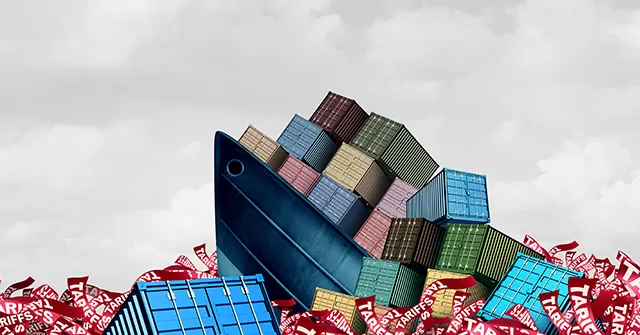

The world of trade economics is constantly evolving, with new policies and regulations being implemented every day. One of the most talked-about topics in this field is tariffs – a tax imposed on imported goods. With the recent increase in tariffs by the United States government, there has been a lot of debate on who is actually bearing the burden of these tariffs. Many believe that it is the American consumers who are paying for the tariffs, but is that really the case? Let’s take a closer look at this issue and debunk the myth that Americans are paying 96% of tariffs.
First and foremost, it is important to understand how tariffs work. When a country imposes tariffs on imported goods, the cost of those goods increases, making them less competitive in the domestic market. This, in turn, leads to a decrease in demand for these goods, resulting in a decrease in imports. The idea behind tariffs is to protect domestic industries and promote local production. However, this also means that the consumers end up paying more for these goods.
Now, let’s address the misconception that Americans are bearing the brunt of these tariffs. According to a study by the National Bureau of Economic Research, only 4% of the cost of tariffs is being passed on to American consumers. This means that the remaining 96% is being absorbed by the exporting country or the importing company. This goes against the popular belief that tariffs are solely paid by the consumers.
So, who is actually paying for the tariffs? The answer is not as straightforward as it may seem. In reality, the cost of tariffs is shared between the exporting country and the importing company. The exporting country may choose to lower their prices in order to remain competitive in the market, thus absorbing some of the cost of the tariffs. On the other hand, the importing company may choose to reduce their profit margins in order to keep the prices of their goods affordable for the consumers. This means that the cost of tariffs is not solely borne by one party, but rather shared among multiple stakeholders.
Moreover, the impact of tariffs is not limited to just the exporting and importing countries. It also affects the global supply chain and can lead to a domino effect on other industries. For instance, if a country imposes tariffs on steel imports, it can lead to an increase in the cost of production for industries that heavily rely on steel, such as the automobile industry. This, in turn, can lead to an increase in the prices of cars for the consumers. Therefore, the impact of tariffs goes beyond just the importing and exporting countries, making it a complex issue to analyze.
It is also important to note that tariffs are not a one-sided affair. When a country imposes tariffs, it often leads to retaliatory tariffs from the affected countries. This can result in a trade war, which can have severe consequences for the global economy. In the end, it is the consumers who suffer the most from these trade wars as they end up paying higher prices for goods.
In conclusion, the idea that Americans are paying 96% of tariffs is nothing more than a myth. The cost of tariffs is shared among multiple stakeholders, and it is not solely borne by the consumers. Moreover, the impact of tariffs goes beyond just the importing and exporting countries, making it a complex issue to understand. As trade economics continue to evolve, it is important for policymakers to carefully consider the implications of imposing tariffs and work towards finding a more sustainable solution for promoting local industries.