


In the latest edition of STAT Health Tech, we bring you some exciting news from the world of healthcare technology. From the FDA’s approval of a groundbreaking AI tool to a successful fundraise by OpenEvidence, there are plenty of reasons to be optimistic about the future of healthcare. Let’s dive in and explore these developments in detail.
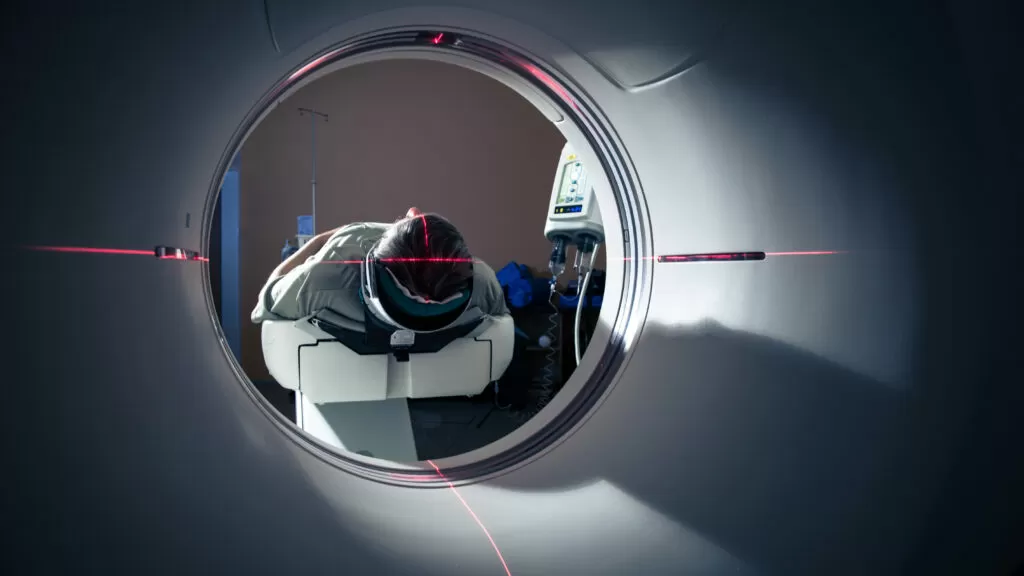
First up, the FDA has recently cleared an AI tool that can detect 14 different conditions from CT scans. This is a major breakthrough in the field of medical imaging, as it has the potential to improve diagnostic accuracy and speed up the process of identifying and treating various diseases. The tool, developed by healthcare technology company Aidoc, uses deep learning algorithms to analyze CT scans and flag any abnormalities that may indicate a potential health issue.
This approval by the FDA is a significant milestone for the use of AI in healthcare. It not only showcases the potential of AI to revolutionize medical imaging but also highlights the importance of regulatory bodies in ensuring the safety and efficacy of such technologies. With this approval, Aidoc’s AI tool can now be used in hospitals and healthcare facilities across the United States, providing doctors with a powerful tool to aid in their diagnoses.
In addition to this, OpenEvidence, a digital health startup, has recently raised $15 million in a Series A funding round. The company, which focuses on using technology to improve patient outcomes, plans to use this investment to further develop its platform and expand its reach. OpenEvidence’s platform uses data analytics and machine learning to identify patterns and trends in patient data, helping healthcare providers make more informed decisions and improve patient care.
This successful fundraise is a testament to the growing interest and investment in digital health solutions. With the healthcare industry increasingly embracing technology, companies like OpenEvidence are well-positioned to make a significant impact in improving patient outcomes and reducing healthcare costs. This also highlights the importance of collaboration between traditional healthcare providers and innovative startups in driving progress in the industry.
But that’s not all, there are plenty of other exciting developments in the world of healthcare technology. For instance, a new study published in the Journal of the American Medical Association has found that an AI system can accurately predict the risk of developing breast cancer. The system, developed by researchers at Massachusetts General Hospital, uses machine learning to analyze mammograms and identify patterns that may indicate a higher risk of breast cancer.
This breakthrough has the potential to greatly improve breast cancer screening and early detection, ultimately saving lives. It also highlights the power of AI in analyzing large amounts of data and identifying patterns that may not be visible to the human eye. With further research and development, this technology could potentially be used to predict the risk of other types of cancer as well.
In another exciting development, the FDA has also recently approved a new digital therapeutic for the treatment of ADHD in children. The game-based therapy, developed by Akili Interactive, uses cognitive training exercises to improve attention and focus in children with ADHD. This is the first time the FDA has approved a video game as a medical treatment, opening up new possibilities for the use of digital therapeutics in healthcare.
These advancements in healthcare technology are truly remarkable and have the potential to greatly improve patient outcomes and quality of life. However, it’s important to note that technology alone cannot solve all of our healthcare challenges. It must be used in conjunction with traditional medical practices and in a responsible manner to ensure the safety and well-being of patients.
In conclusion, the recent developments in healthcare technology, from the FDA’s approval of an AI tool to successful fundraise by OpenEvidence, are a testament to the potential of technology to transform the healthcare industry. With continued innovation and collaboration, we can look forward to a future where technology plays a crucial role in improving patient outcomes and making healthcare more efficient and accessible for all. Let’s embrace these advancements with open arms and continue to push the boundaries of what is possible in healthcare.