

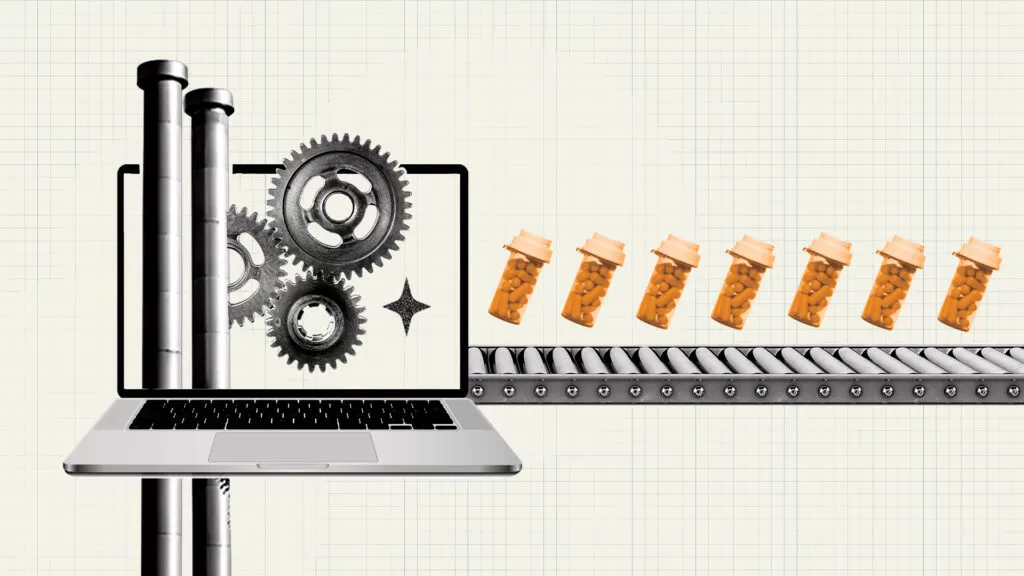

In a groundbreaking move, the state of Utah has launched a pilot program to test the use of artificial intelligence (AI) for renewing drug prescriptions. This innovative approach has sparked a debate among experts, with some questioning whether AI should be regulated as a medical device. While this is a valid concern, the potential benefits of using AI in healthcare cannot be ignored.
The pilot program, which is being conducted by the Utah Department of Health, aims to streamline the process of renewing drug prescriptions for patients. Currently, patients have to visit their doctor in person to get their prescriptions renewed, which can be a time-consuming and inconvenient process. With the use of AI, patients can now renew their prescriptions online, saving them time and effort.
The AI system works by analyzing a patient’s medical history and current health status to determine if their prescription needs to be renewed. This not only saves time for patients but also reduces the burden on healthcare providers, allowing them to focus on more critical cases.
However, some experts have raised concerns about the use of AI in healthcare. They argue that AI should be regulated as a medical device, just like any other medical equipment, to ensure its safety and effectiveness. They fear that without proper regulation, AI could potentially make errors that could harm patients.
While these concerns are valid, it is essential to understand that AI is not meant to replace healthcare providers. Instead, it is meant to assist them in their decision-making process. The AI system used in the pilot program has been extensively tested and has shown a high level of accuracy in renewing prescriptions. Additionally, the system is continuously monitored and updated to ensure its effectiveness.
Moreover, the use of AI in healthcare is not a new concept. It has been successfully used in various medical fields, such as radiology and pathology, to improve diagnosis and treatment. In fact, a study published in the Journal of the American Medical Association found that AI was able to diagnose skin cancer with a level of accuracy comparable to that of dermatologists.
Furthermore, the potential benefits of using AI in healthcare are immense. Apart from saving time and effort for patients and healthcare providers, it can also reduce healthcare costs. With the increasing demand for healthcare services, AI can help alleviate the burden on the healthcare system by improving efficiency and reducing the risk of errors.
The pilot program in Utah is a significant step towards harnessing the power of AI in healthcare. It is a testament to the state’s commitment to innovation and improving the lives of its citizens. By embracing new technologies, Utah is setting an example for other states to follow.
In conclusion, while there are valid concerns about the use of AI in healthcare, it is essential to look at the bigger picture. The potential benefits of using AI in renewing drug prescriptions are undeniable. With proper regulation and continuous monitoring, AI can revolutionize the healthcare industry and improve patient outcomes. The pilot program in Utah is a step in the right direction, and we can only hope that more states will follow suit. Let us embrace the potential of AI in healthcare and work towards a healthier and more efficient future.