

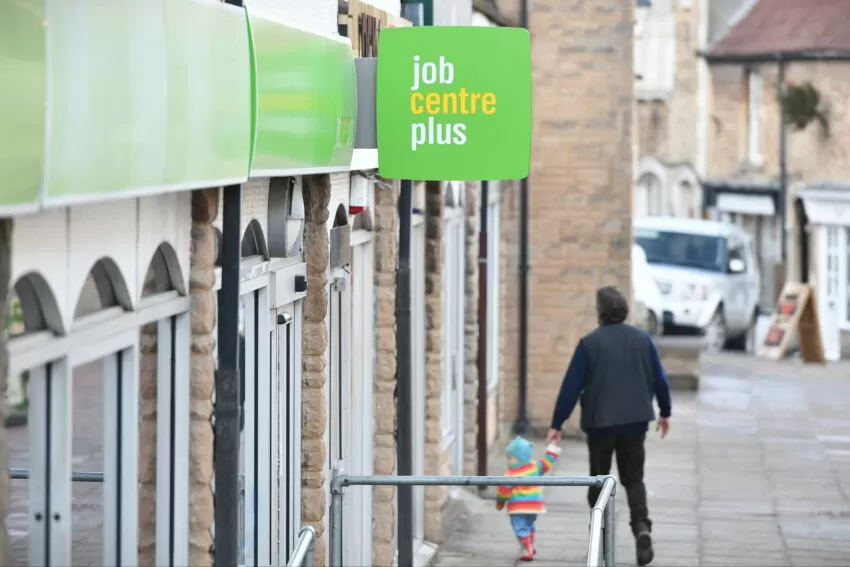

UK unemployment has reached a five-year high as wage growth slows down, putting pressure on the Bank of England to consider cutting interest rates next month. The latest data released by the Office for National Statistics (ONS) shows that unemployment in the UK has risen to 5.2%, the highest it has been since 2016.
This news has sparked concerns among economists and policymakers as it reflects a weakening of the UK economy. The rise in unemployment is a result of a combination of factors, including the ongoing pandemic and the end of the government’s furlough scheme, which has kept millions of workers employed.
The rise in unemployment is also coupled with a decrease in wage growth, which has fallen to 4.2%. This is a significant drop from the previous month and is the slowest growth rate since early 2020. This decline in wage growth is a cause for concern as it could lead to a decrease in consumer spending, which is a major driving force of the UK economy.
The ONS data also revealed that the number of people claiming unemployment benefits has increased by 113,000 in September, bringing the total number of unemployed individuals to 1.3 million. This is a worrying trend, especially for young people, as the number of unemployed 18-24 year-olds has risen by 19,000 in the past month.
The rise in unemployment and the slowing of wage growth is a clear indication that the UK economy is facing challenges. The ongoing uncertainty surrounding Brexit and the impact of the pandemic have created a volatile economic environment. As a result, many businesses are struggling, and job opportunities are becoming scarce.
The Bank of England has been closely monitoring the situation and is under increasing pressure to take action. The rise in unemployment and the slowdown in wage growth have raised concerns about the strength of the UK economy and its ability to recover.
Many experts believe that the Bank of England will have no choice but to cut interest rates in an attempt to stimulate the economy. Lower interest rates could make borrowing cheaper for businesses and individuals, encouraging investment and spending. This, in turn, could help boost economic growth and create more job opportunities.
However, some argue that a rate cut may not be the most effective solution, as it could also lead to a decrease in the value of the pound and an increase in inflation. The Bank of England will have to carefully consider all factors before making a decision.
The rise in unemployment and the slowing of wage growth are undoubtedly concerning, but it is essential to remember that the UK economy has shown resilience in the face of adversity before. The government and the Bank of England have proven their ability to implement effective policies to support the economy during difficult times.
Moreover, the UK’s successful vaccination program has helped ease some of the pressures on the economy. With more people getting vaccinated, businesses are gradually reopening, and consumer confidence is slowly returning.
In conclusion, the rise in unemployment and the slowing of wage growth in the UK are concerning, but it is not a cause for panic. The government and the Bank of England are taking the necessary steps to support the economy and create a conducive environment for growth. With the right policies and the continued success of the vaccination program, the UK economy can bounce back stronger than ever.