

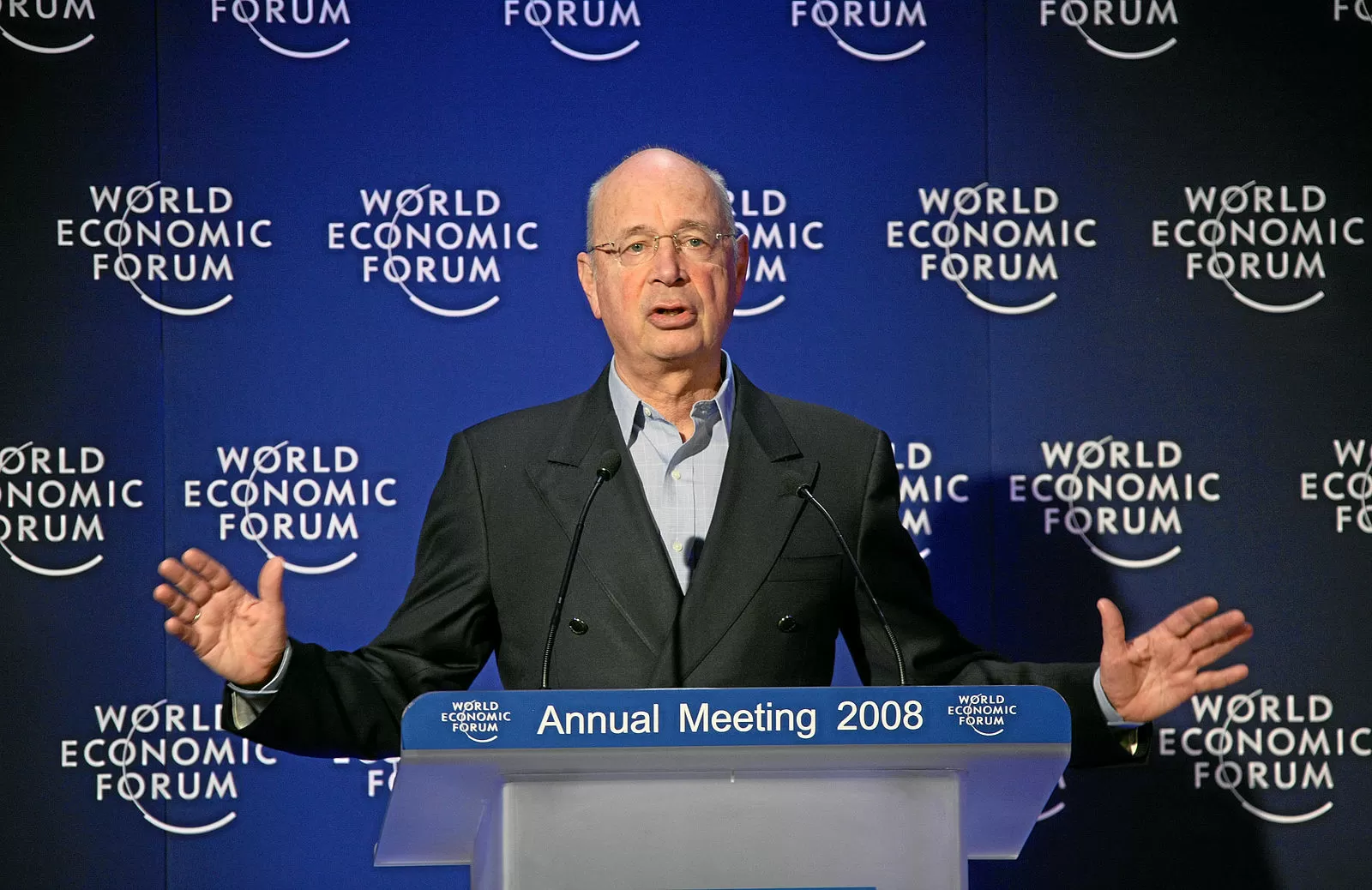

Klaus Schwab, the founder and executive chairman of the World Economic Forum (WEF), has been making headlines recently for all the wrong reasons. The man who has been hailed as a visionary and a global leader for decades, has now come under fire for allegations of financial misconduct and creating a toxic workplace culture within the organization.
The news of Schwab’s abrupt resignation from the WEF has sent shockwaves through the elite circles that he has been a part of for so long. The sudden departure of one of the world’s most influential figures has left many wondering what could have caused such a drastic move.
According to reports, the WEF has launched an internal investigation into Schwab following whistleblower allegations of financial and ethical misconduct. This has brought the spotlight on the man who has been at the helm of the organization for over 50 years.
For those who may not be familiar with Klaus Schwab, he is the man behind the creation of the WEF, an annual event that brings together world leaders, business executives and academics to discuss pressing global issues. The WEF has become known as the “Davos of the East” and is considered one of the most prestigious and influential gatherings in the world.
However, behind the glitz and glamour of the WEF, there seems to be a darker side. The recent allegations have shed light on the toxic workplace culture that has been brewing within the organization. Former employees have come forward with claims of bullying, discrimination and a culture of fear and intimidation.
The allegations have also brought to the surface concerns about the financial management of the WEF. It has been reported that Schwab has been using the organization’s funds for personal gain, including extravagant travel expenses and luxury accommodation. This has raised questions about the organization’s transparency and accountability.
The WEF has been quick to respond to these allegations, stating that they take all claims seriously and are committed to conducting a thorough and impartial investigation. They have also emphasized that the WEF is a non-profit organization and all funds are used for the betterment of society.
The sudden downfall of Klaus Schwab has left many in shock and disbelief. For years, he has been seen as a pioneer in the field of global governance and a champion for social and economic progress. His departure has left a void in the WEF and has raised concerns about the future of the organization.
As the investigation unfolds, it is important to remember that the WEF is an organization that has done a lot of good in the world. From addressing global issues such as poverty, climate change, and gender equality, to creating a platform for dialogue and collaboration, the WEF has made a significant impact on the world stage.
It is also important to acknowledge the courage of the whistleblowers who have come forward with these allegations. Their bravery has shed light on the darker side of the organization and has opened the door for necessary changes to be made.
In the midst of this unfolding drama, it is important to focus on the positive aspects of the WEF and the impact it has had on the world. As the organization moves forward, it is crucial that they address the issues at hand and work towards creating a more transparent and inclusive workplace culture.
The departure of Klaus Schwab may mark the end of an era, but it also presents an opportunity for the WEF to reinvent itself and emerge stronger than ever. As the world continues to grapple with various challenges, the role of the WEF in shaping a better future for all cannot be underestimated.
In conclusion, the allegations against Klaus Schwab and the WEF are indeed concerning and should be taken seriously. However, it is important to remember the positive impact that the organization has had and to use this as an opportunity for growth and change. As the investigation progresses, let us hope that the WEF emerges as a stronger and more accountable organization, committed to creating a better world for all.