


U.S.-China Relations: A Complex History of Diplomacy and Rivalry
The relationship between the United States and China has been a rollercoaster ride, filled with both moments of cooperation and conflict. From the early days of diplomatic engagement to the current trade war, the two global powers have navigated a complex and often unpredictable path. While there have been significant breakthroughs and achievements, the relationship has never been straightforward.
The history of U.S.-China relations can be traced back to the 19th century when the two countries first established diplomatic ties. However, it was not until the 1970s that the relationship began to take shape as we know it today. In 1972, President Richard Nixon made a historic visit to China, marking the first time an American president had set foot in the country since its communist revolution in 1949. This visit paved the way for the normalization of relations between the two nations and opened the door for future cooperation.
Over the next few decades, the U.S. and China worked together on various issues, including trade, security, and global challenges such as climate change. In 2001, China joined the World Trade Organization (WTO), further solidifying its position as a major player in the global economy. This move was seen as a significant step towards closer economic ties between the two countries.
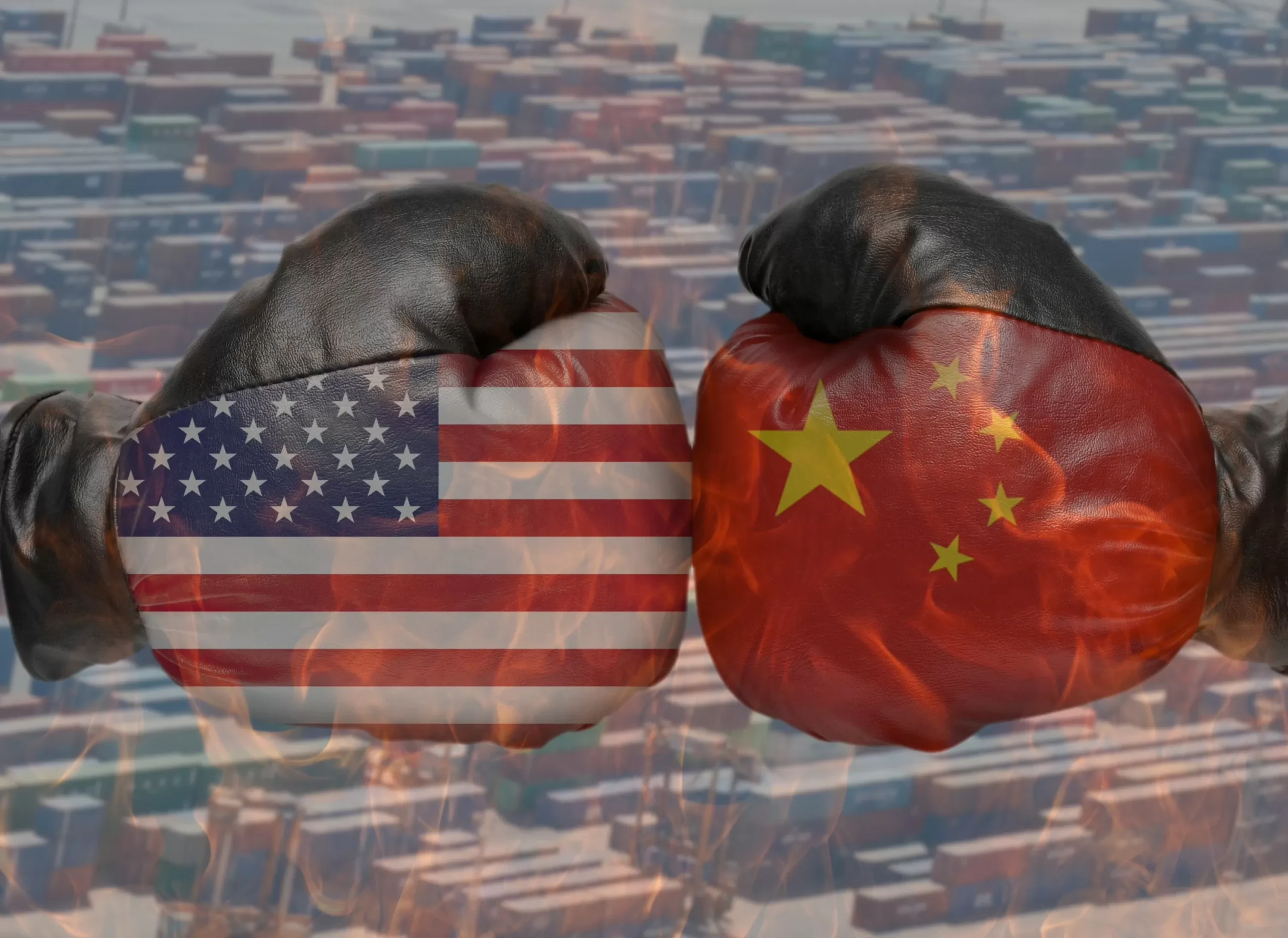
However, as China’s economy continued to grow and its influence on the global stage increased, tensions between the two nations also began to rise. The U.S. became increasingly concerned about China’s trade practices, including intellectual property theft and unfair trade practices. This led to the start of a trade war in 2018, with both countries imposing tariffs on each other’s goods.
The trade war has had a significant impact on both economies, with the U.S. and China both feeling the effects. However, it has also highlighted the interdependence of the two nations and the need for cooperation. In January 2020, the U.S. and China signed a Phase One trade deal, signaling a temporary truce in the trade war. This agreement included commitments from China to increase its purchases of American goods and address some of the U.S.’s concerns about intellectual property theft.
Despite the trade war, the U.S. and China have continued to work together on other issues, such as the denuclearization of North Korea and the ongoing COVID-19 pandemic. In fact, the two countries have collaborated on scientific research and vaccine development, demonstrating that even in the midst of conflict, there is room for cooperation.
The relationship between the U.S. and China is undoubtedly complex, with both countries having different political systems, ideologies, and priorities. However, it is also a relationship that is crucial for global stability and prosperity. The U.S. and China are the world’s two largest economies, and their cooperation is essential for addressing global challenges and promoting economic growth.
As we look towards the future, it is clear that the U.S.-China relationship will continue to be a mix of cooperation and competition. Both countries have a responsibility to manage their differences and find ways to work together for the greater good. This will require open communication, mutual respect, and a willingness to find common ground.
It is also essential for both nations to recognize the benefits of a strong and stable relationship. The U.S. and China have a long history of cooperation, and this should not be overshadowed by current tensions. Instead, both countries should build on their past successes and work towards a more positive and productive relationship.
In conclusion, the U.S.-China relationship has never been straightforward, but it has also never been stagnant. It has evolved and adapted over time, reflecting the changing dynamics of the global landscape. While there have been challenges and conflicts, there have also been moments of cooperation and progress. As we move forward, it is crucial for both nations to continue to engage in dialogue and find ways to build a more positive and mutually beneficial relationship. Only then can we truly harness the potential of this important global partnership.