

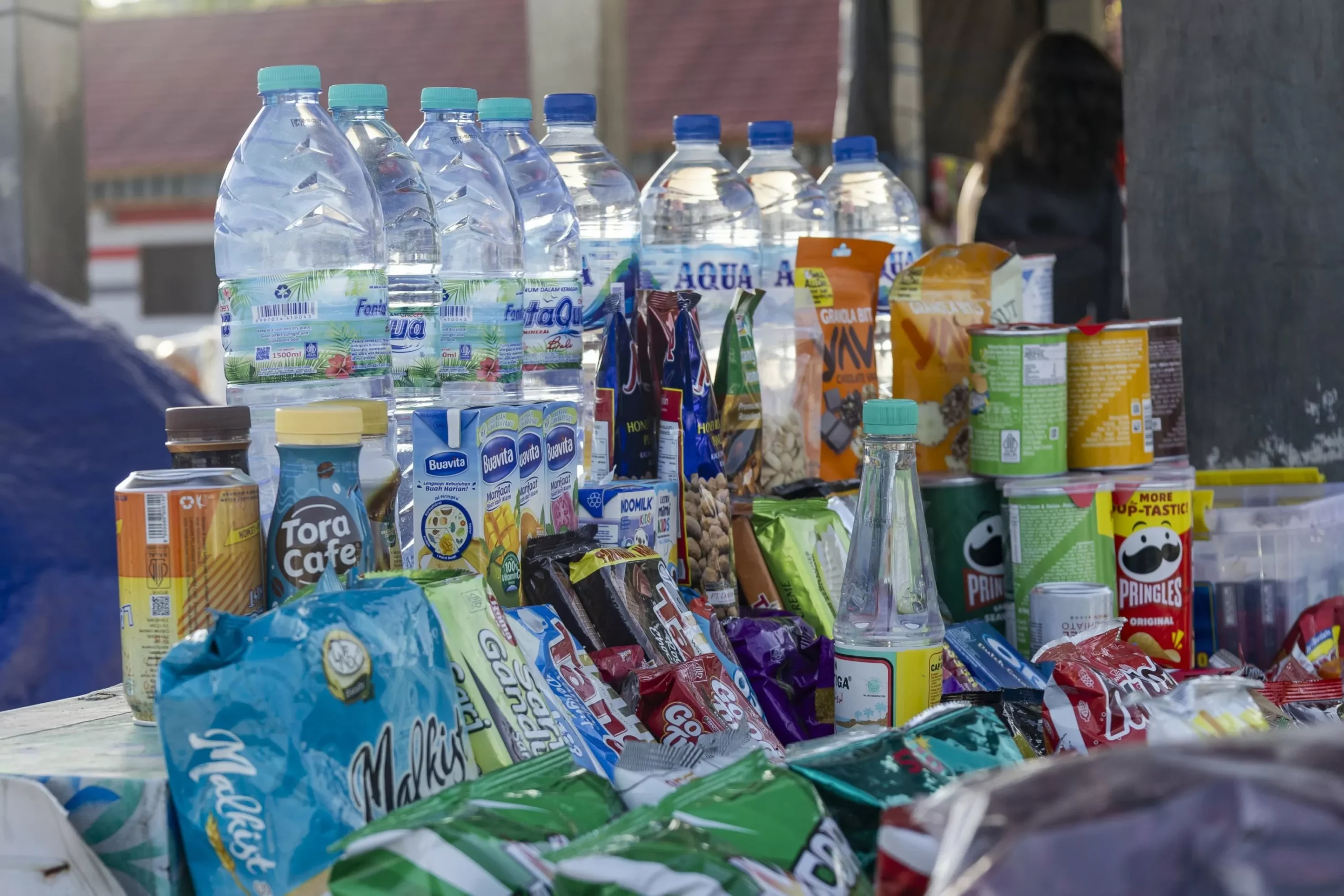

Daily exposure to chemicals found in many plastic household items may be linked to over 356,000 cardiovascular deaths worldwide in 2018, according to a study published Tuesday.
The use of plastic has become an integral part of our daily lives. From food packaging to household items, it is almost impossible to avoid plastic in today’s world. However, a recent study has shed light on the potential dangers of daily exposure to chemicals found in plastic, particularly in relation to cardiovascular health.
The study, published in the Journal of the American Heart Association, analyzed data from 2018 and found that over 356,000 deaths from cardiovascular disease could be attributed to exposure to chemicals commonly found in plastic household items. These chemicals, known as phthalates, are used to make plastic more flexible and durable. They can be found in a variety of products such as food packaging, shower curtains, and even children’s toys.
The study also revealed that the highest number of deaths occurred in developing countries, where the use of plastic is more prevalent and regulations on its use are often lacking. This highlights the urgent need for action to address this issue and protect the health of individuals worldwide.
The link between phthalates and cardiovascular disease is not a new discovery. Previous studies have shown that these chemicals can disrupt the body’s endocrine system, which is responsible for regulating hormones and other bodily functions. This disruption can lead to an increased risk of developing conditions such as high blood pressure, heart disease, and stroke.
What makes this study particularly concerning is the sheer number of deaths that can be attributed to this exposure. Over 356,000 lives lost in just one year is a staggering number and cannot be ignored. It is a wake-up call for governments, industries, and individuals to take action and reduce our reliance on plastic.
One of the main challenges in addressing this issue is the widespread use of plastic in our daily lives. It has become so ingrained in our society that it is difficult to imagine living without it. However, there are steps that can be taken to reduce our exposure to phthalates and other harmful chemicals.
Firstly, individuals can make a conscious effort to reduce their use of plastic. This can be as simple as choosing products with minimal packaging or opting for reusable containers instead of single-use plastic ones. By reducing our consumption of plastic, we can also reduce our exposure to harmful chemicals.
Secondly, governments and industries must take responsibility and implement stricter regulations on the use of phthalates and other harmful chemicals in plastic products. This includes conducting more research on the long-term effects of these chemicals and finding safer alternatives.
Furthermore, there needs to be a shift towards more sustainable and eco-friendly materials. With advancements in technology, there are now alternatives to plastic that are just as durable and cost-effective. By investing in these alternatives, we can not only protect our health but also the health of our planet.
It is also important for individuals to educate themselves and others about the potential dangers of plastic and the importance of reducing our reliance on it. By spreading awareness, we can create a collective effort towards a healthier and more sustainable future.
The findings of this study may be alarming, but they also serve as a reminder that we have the power to make a change. By taking small steps in our daily lives and advocating for change, we can reduce our exposure to harmful chemicals and prevent unnecessary deaths.
In conclusion, the study’s findings highlight the urgent need for action to address the potential dangers of daily exposure to chemicals found in plastic household items. It is a call to action for individuals, governments, and industries to work together towards reducing our reliance on plastic and finding safer alternatives. Let us take this opportunity to make a positive impact on our health and the health of our planet.