

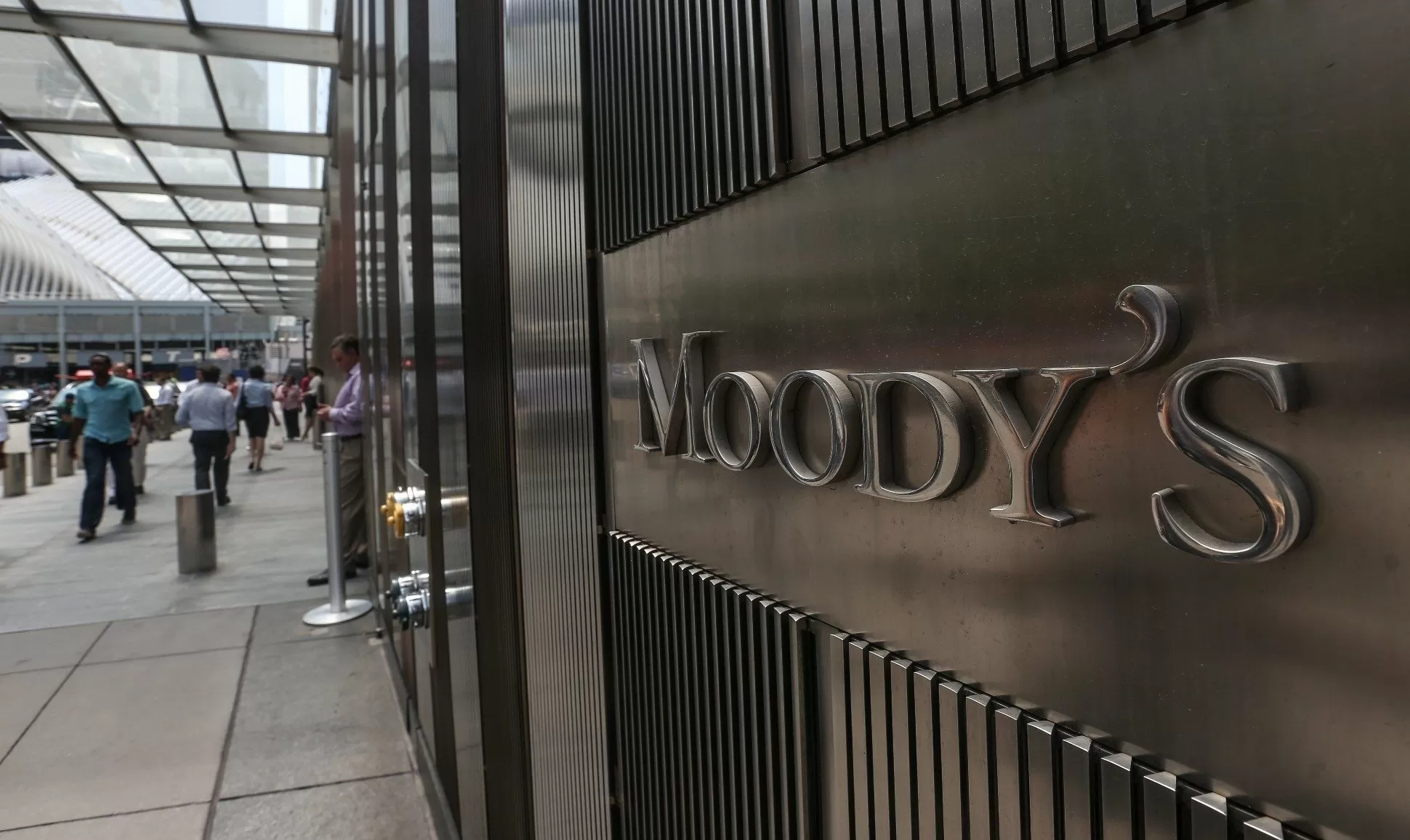

The United States has long been considered a global economic powerhouse, with a strong and stable financial system that has weathered many storms. However, on Friday, the country received a blow to its reputation as Moody’s, one of the world’s leading credit rating agencies, downgraded its credit rating from AAA to AA+.
This downgrade is a significant event, as it marks the first time in history that the United States has lost its perfect credit rating. The decision by Moody’s was based on the country’s rising deficits and long-term fiscal risks, which have been a cause for concern for some time now.
The news of the downgrade has sent shockwaves through the financial markets, with many investors and analysts worried about the potential impact on the economy. The downgrade could lead to higher borrowing costs for the government, as well as for businesses and consumers, which could have a ripple effect on the overall economy.
This downgrade is a wake-up call for the United States, as it highlights the need for the country to address its rising deficits and long-term fiscal risks. It is a reminder that even the strongest economies are not immune to the consequences of irresponsible financial management.
However, this downgrade should not be seen as a sign of weakness or failure. Instead, it should be viewed as an opportunity for the United States to take a hard look at its financial policies and make necessary changes to ensure long-term stability and growth.
The United States has a long history of overcoming challenges and emerging stronger than ever. This downgrade should be seen as just another hurdle that the country can and will overcome. It is a chance for the government and its citizens to come together and work towards a better and more sustainable financial future.
While the downgrade may have some short-term impacts on the economy, it is important to remember that the United States still has a strong and diverse economy, with a highly skilled workforce and innovative industries. These factors will continue to attract investors and drive growth in the long run.
Moreover, the United States has a track record of taking decisive action in times of crisis. The government has already taken steps to address the rising deficits, such as the recent budget deal that aims to reduce spending and increase revenues. These efforts, along with a commitment to responsible financial management, will help the country regain its perfect credit rating in the future.
It is also worth noting that the other two major credit rating agencies, Standard & Poor’s and Fitch, still maintain the United States’ AAA rating. This shows that the country’s financial standing is still strong and that the downgrade by Moody’s should not be seen as a reflection of the overall health of the economy.
In fact, this downgrade could serve as a wake-up call for other countries to take a closer look at their own financial policies. The United States has always been a leader in the global economy, and this event could spur other countries to follow suit and address their own fiscal challenges.
In conclusion, while the United States may have lost its perfect credit rating, it is by no means a cause for panic or despair. It is a reminder that even the strongest economies need to constantly monitor and manage their finances. This downgrade should be seen as an opportunity for the country to come together and work towards a more stable and prosperous future. With determination and responsible financial management, the United States will undoubtedly regain its perfect credit rating and continue to be a global economic powerhouse.