

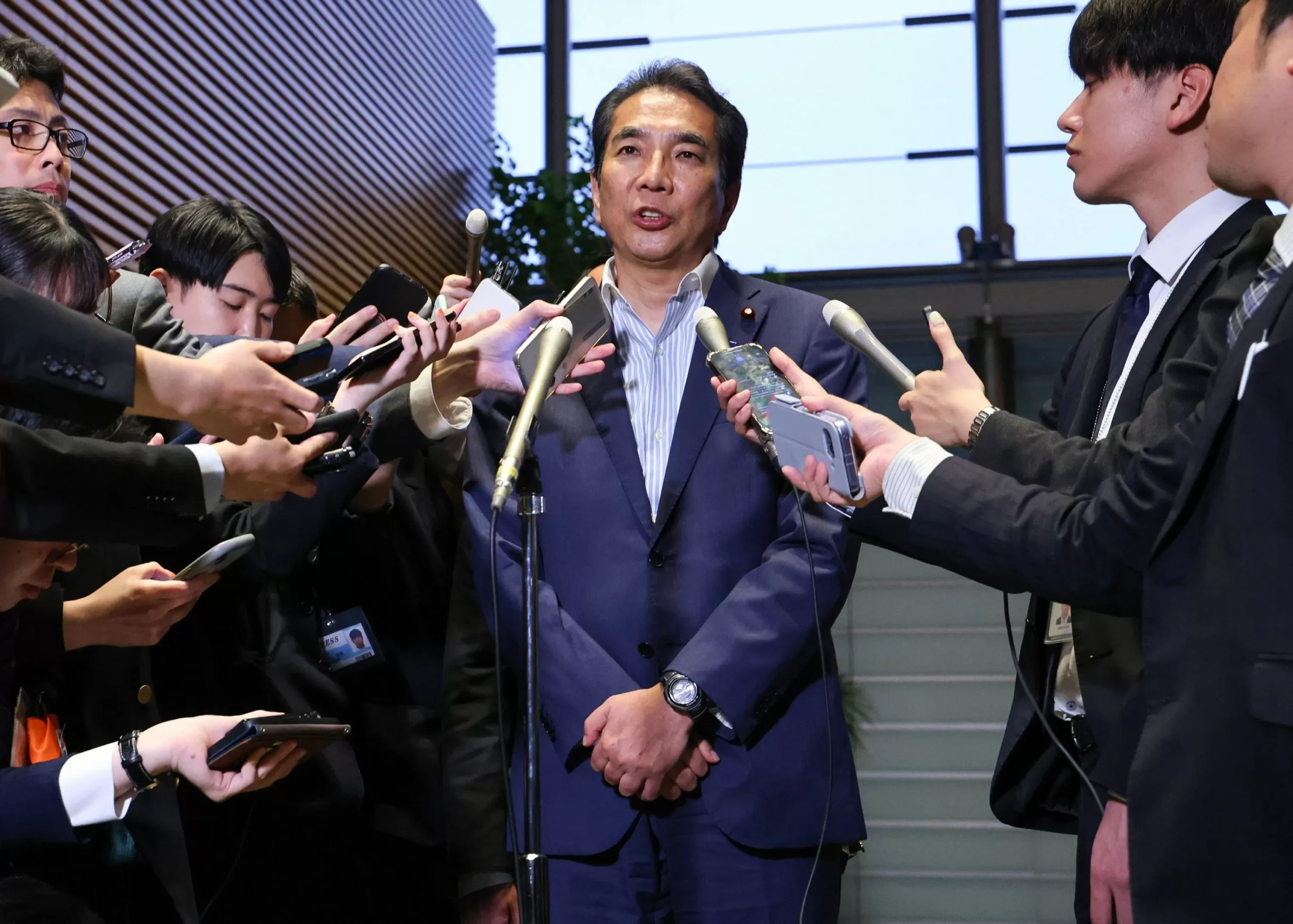

Japan’s Agriculture Minister Taku Eto has resigned from his position on Wednesday, following a controversial statement he made about rice purchasing. The statement sparked a firestorm of criticism from both voters and lawmakers, ultimately leading to his resignation. This unexpected turn of events has left the country’s agriculture industry in a state of uncertainty and has posed a fresh challenge for Prime Minister Yoshihide Suga’s administration.
Eto’s remark that he would “never” purchase rice from the Fukushima region, where a major nuclear disaster took place in 2011, caused a backlash among the Japanese public. Many saw his statement as insensitive and disrespectful towards the farmers who have been working hard to revive the region’s agriculture. The Fukushima disaster not only devastated the area but also severely affected the agriculture industry, making Eto’s comment all the more hurtful.
The resignation of Eto has come as a surprise to many, as he was known for his strong stance on promoting Japanese agriculture and supporting local farmers. However, his recent statement has clearly shown a lack of understanding of the challenges faced by the agriculture industry and a lack of empathy towards the farmers.
Eto’s resignation has also raised questions about the handling of the agriculture portfolio in Japan. The country’s agriculture industry has been struggling in recent years, facing increasing competition from cheaper imports and an aging population of farmers. Eto was seen as a key figure in addressing these issues and promoting domestic agriculture. However, with his resignation, the future of Japan’s agriculture policy remains uncertain.
Prime Minister Suga, who has been in office for only a month, has accepted Eto’s resignation and has promised to find a suitable replacement as soon as possible. He has also vowed to continue supporting the agriculture industry and ensuring the safety and quality of Japanese agricultural products.
In light of this incident, it is crucial for the new agriculture minister to be someone who understands the challenges faced by the industry and is committed to promoting and supporting local farmers. The agriculture industry is not only important for the economy but also plays a significant role in preserving Japan’s food culture and traditions.
While Eto’s resignation may have caused a disruption in the agriculture industry, it also presents an opportunity for the government to reassess and improve its policies. The new minister should work towards creating a sustainable and competitive agriculture industry, while also addressing the concerns and needs of farmers.
In the midst of this controversy, it is important to remember the hard work and dedication of Japanese farmers. They play a vital role in providing safe and high-quality food for the people of Japan. It is essential for the government to support and appreciate their efforts and not make insensitive remarks that can harm their livelihoods.
In conclusion, the resignation of Japan’s Agriculture Minister Taku Eto has caused a stir in the country’s agriculture industry. His statement about never purchasing rice from the Fukushima region was met with widespread criticism and ultimately led to his resignation. However, this incident also presents an opportunity for the government to reevaluate its policies and support the agriculture industry and its hardworking farmers. It is crucial for the new minister to be someone who empathizes with the challenges faced by the industry and is committed to promoting and protecting local agriculture. Let us hope that this incident serves as a lesson for all and leads to positive changes for Japan’s agriculture industry.