

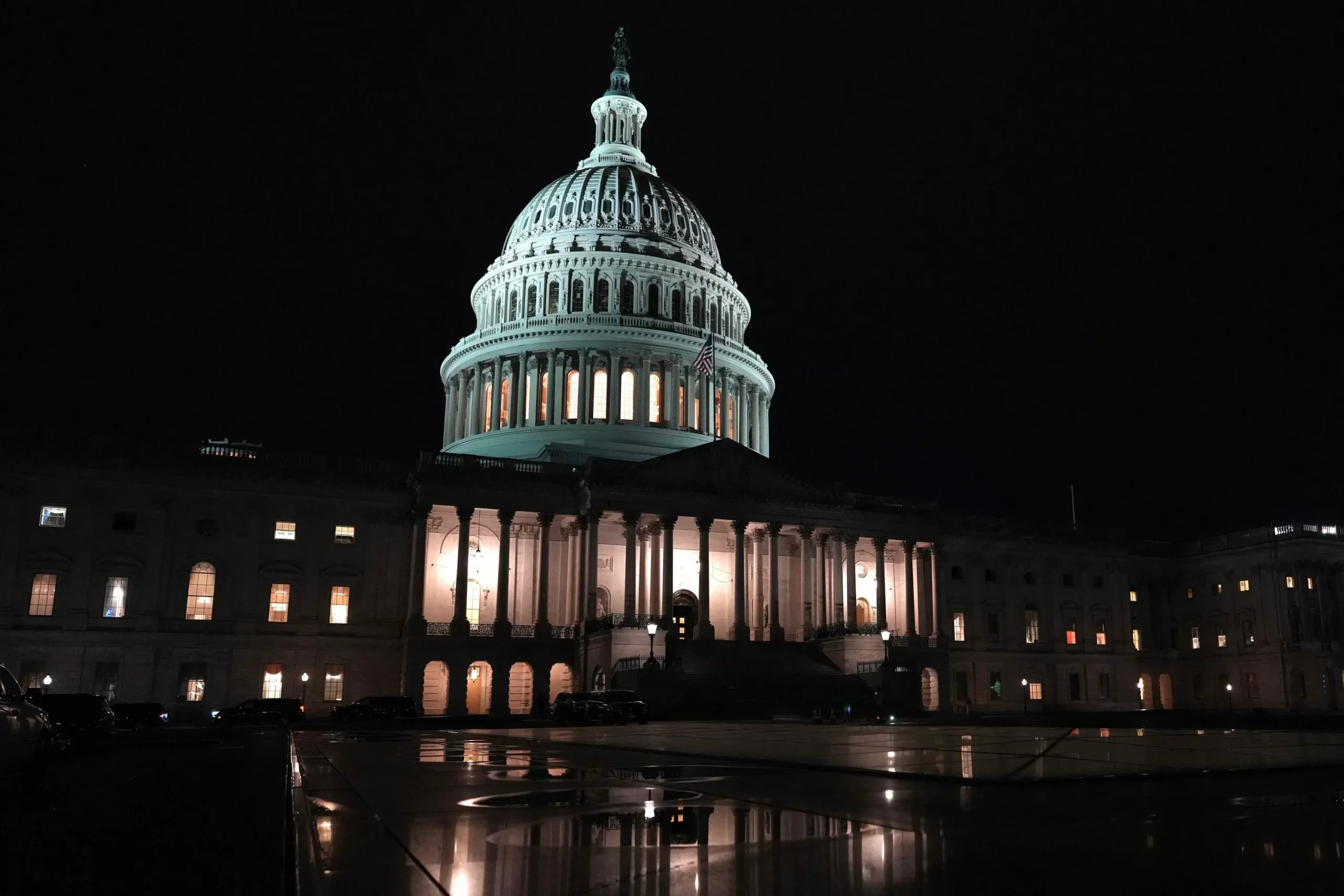

In a historic move, the Republican-controlled U.S. House of Representatives has passed a comprehensive tax and spending bill that would put into action a significant portion of President Donald Trump’s policy agenda. This landmark legislation, which was approved in a tight vote, has the potential to bring about sweeping changes to the nation’s economic landscape.
For months, the Trump administration has been working tirelessly to push through its ambitious tax and spending plan, and with the House of Representatives’ approval, it has taken a major step towards achieving its goals. The bill, known as the Tax Cuts and Jobs Act, seeks to overhaul the current tax system, lower corporate tax rates, and stimulate economic growth.
One of the main objectives of this legislation is to provide much-needed relief to hardworking Americans who have been burdened by high taxes for far too long. Under the bill, the standard deduction would be nearly doubled, allowing individuals and families to keep more of their hard-earned money. This would not only provide immediate financial relief but also encourage individuals to invest, save, and spend, thus boosting the economy.
Additionally, the Tax Cuts and Jobs Act aims to simplify the tax code by reducing the number of tax brackets from seven to four. This will not only make the system more user-friendly but also reduce the burden on taxpayers who spend countless hours trying to navigate the complicated tax laws. Furthermore, the bill proposes to eliminate numerous deductions and loopholes, making the tax system fairer and more transparent.
In a highly competitive global economy, it is crucial for the United States to have a business-friendly environment that attracts investment and promotes job creation. The Tax Cuts and Jobs Act recognizes this and proposes to lower the corporate tax rate from 35% to 21%, making it more competitive with other major economies. This move is expected to encourage businesses to expand and increase their workforce, resulting in a boost to the overall economy.
Moreover, the bill includes provisions to encourage companies to bring back profits earned overseas and invest them in the United States. This could potentially lead to the repatriation of trillions of dollars and create even more jobs and economic opportunities.
In addition to tax reform, the bill also includes significant changes to federal spending. It proposes to increase defense spending and provide much-needed resources for the military to modernize and enhance its capabilities. This is crucial for national security and ensuring that the United States remains a global leader.
Furthermore, the legislation also seeks to reform the welfare system by introducing work requirements for able-bodied recipients and providing incentives for them to become financially independent. This is a crucial step towards promoting self-sufficiency and reducing the burden of government dependency.
However, perhaps the most significant aspect of the Tax Cuts and Jobs Act is its potential to fuel economic growth. With lower taxes, simplified laws, and an encouraging business environment, the bill has the potential to create millions of new jobs, boost wages, and increase consumer spending. This would have a ripple effect on the economy, resulting in overall prosperity and a better quality of life for all Americans.
Critics of the bill argue that it will add to the national debt and benefit the wealthy more than the middle and lower classes. However, the bill’s supporters point out that the proposed tax cuts will be partially offset by eliminating certain deductions and stimulating economic growth. Furthermore, the bill includes provisions to sunset some of the tax cuts after a few years, ensuring that the impact on the national debt is controlled.
In conclusion, the passing of the Tax Cuts and Jobs Act by the Republican-controlled U.S. House of Representatives is a significant milestone in President Trump’s policy agenda. This legislation has the potential to provide much-needed relief to taxpayers, boost the economy, and create a more prosperous and competitive United States. Despite being a contentious issue, the passing of this bill is a testament to the Trump administration’s determination and commitment to fulfilling its promises to the American people.