

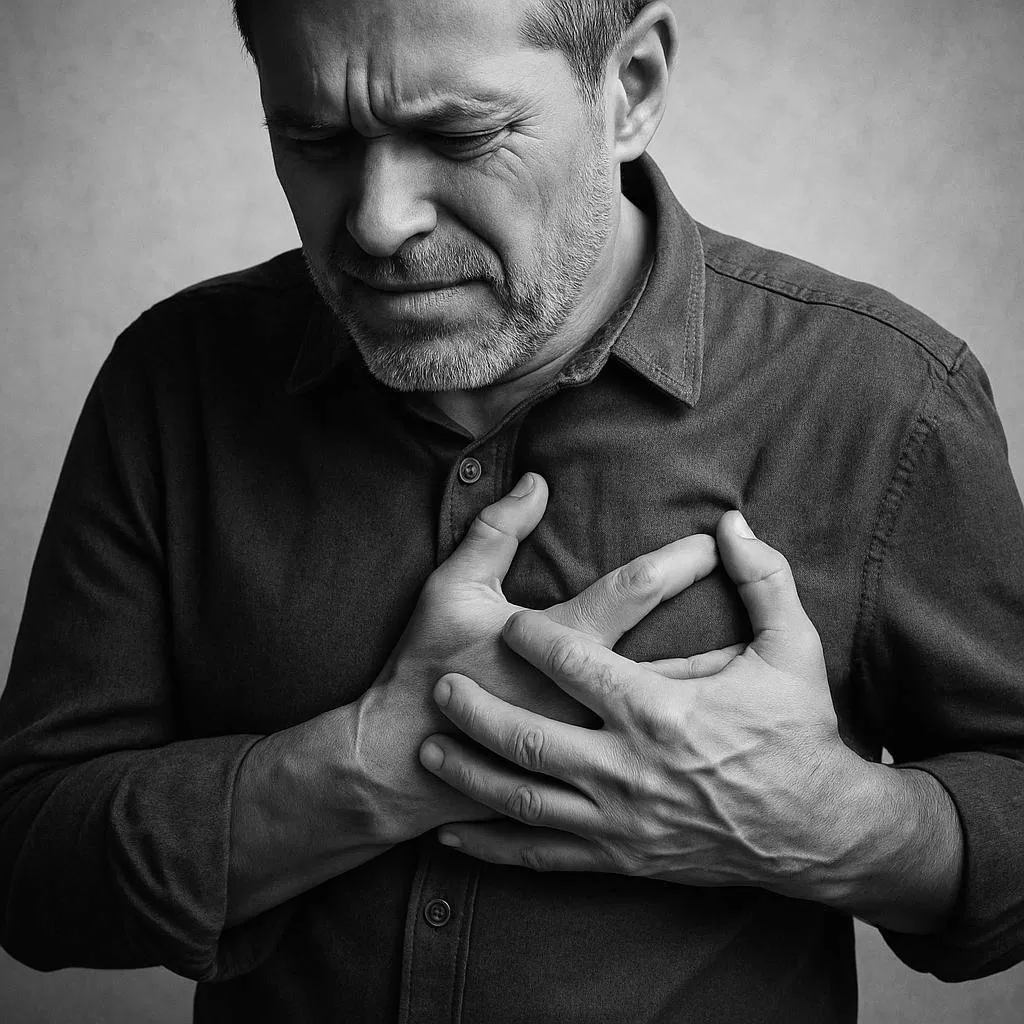

Heart palpitations are a common occurrence that many people experience at some point in their lives. These are commonly described as a feeling of your heart beating too fast, too hard, or irregularly. While they can be alarming and uncomfortable, they are usually harmless and often subside on their own. However, there are times when heart palpitations can become intense enough to cause concern and disrupt our daily lives.
What are heart palpitations?
Before we dive into the intensity of heart palpitations, let’s first understand what they are. Simply put, heart palpitations are the awareness of your heart’s beating. Our heart is constantly beating, pumping blood and oxygen throughout our body to keep us alive. However, we don’t always feel this beating. In the case of palpitations, we become aware of our heart’s rhythm and may feel it more intensely than usual.
What causes heart palpitations?
There are several reasons why someone may experience heart palpitations. Some common causes include excessive caffeine or alcohol intake, stress and anxiety, strenuous physical activity, and certain medications. However, in some cases, heart palpitations can be a sign of an underlying medical condition such as anemia, thyroid problems, or heart disease. If you experience frequent or severe heart palpitations, it is important to consult your doctor to rule out any potential health issues.
The intensity of heart palpitations
For most people, heart palpitations are a temporary and minor discomfort. They may occur once in a while and last for a few seconds or minutes. However, for some, they can be quite intense and even interfere with daily activities. This can be a cause for concern and may lead to feelings of anxiety and fear. In extreme cases, heart palpitations can even wake a person up from sleep.
When to seek medical help
As mentioned earlier, heart palpitations are usually harmless and subside on their own. However, there are certain symptoms that indicate a need for medical attention. If you experience any of the following along with heart palpitations, it is important to seek immediate medical help:
– Chest pain or discomfort
– Shortness of breath
– Dizziness or lightheadedness
– Fainting or loss of consciousness
– Severe headache
These symptoms may indicate an underlying health issue that requires prompt attention.
Managing heart palpitations
For those who experience frequent and intense heart palpitations, it is important to find ways to manage and reduce their intensity. Some simple lifestyle changes can make a big difference. These include reducing caffeine and alcohol intake, managing stress through relaxation techniques like meditation or yoga, and getting enough sleep. Regular exercise and a healthy diet can also help in managing heart palpitations.
In some cases, a doctor may prescribe medication to help control heart palpitations. It is crucial to follow the prescribed dosage and consult your doctor if there are any concerns or side effects.
Stay calm and positive
Experiencing intense heart palpitations can be a cause for concern, but it is important not to panic. Stress and anxiety can worsen the symptoms, making the palpitations more intense. Instead, try to stay calm and positive. Remind yourself that this is a common experience and that you are taking the necessary steps to manage it.
In conclusion, heart palpitations are a common occurrence that can vary in intensity. While they may cause discomfort and anxiety, they are usually harmless and can be managed through simple lifestyle changes and medical interventions if necessary. If you experience frequent or intense heart palpitations, do not hesitate to consult your doctor. By taking care of our physical and mental well-being, we can reduce the intensity of heart palpitations and live a healthy and happy life.