

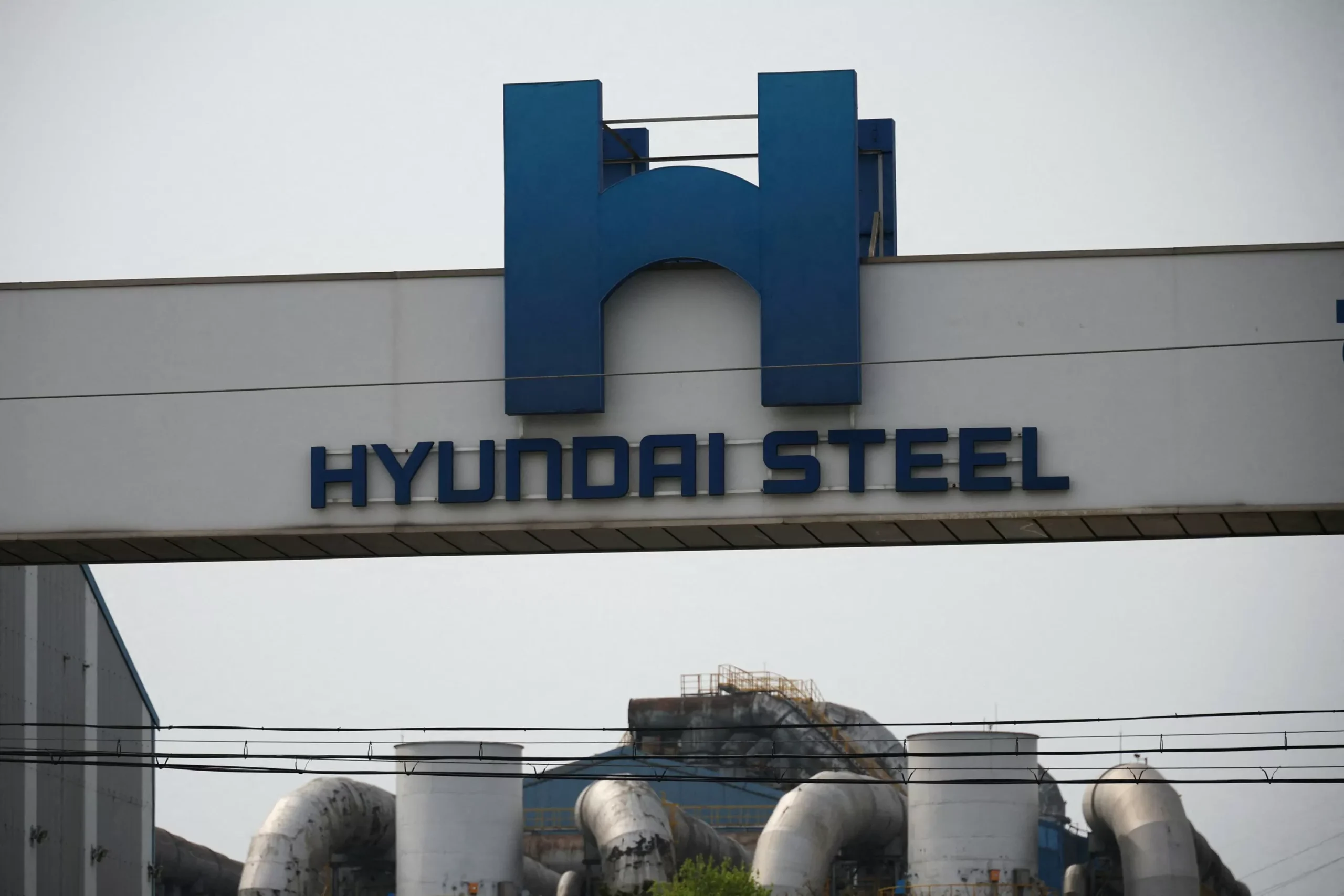

Asian steelmakers, particularly those in South Korea and Vietnam, have been hit with a wave of disappointment following the announcement made by U.S. President Donald Trump. The recent decision to impose tariffs on imported steel has caused a stir in the global market, sending shares of these steelmakers plunging.
The steel industry has long been a major contributor to the economic growth of many countries, including South Korea and Vietnam. These two nations have established themselves as major exporters of steel to the United States, with their products playing a significant role in shaping the infrastructure and manufacturing industries in the U.S.
However, the latest move by President Trump has sent shockwaves through the steel industry in Asia, with shares in South Korean and Vietnamese steelmakers experiencing a significant drop on Monday. The imposition of a 25% tariff on imported steel has raised concerns among investors and industry leaders, as it could potentially disrupt the global steel trade dynamics.
The decision by the U.S. government has been met with disappointment and frustration by Asian steelmakers who have been working diligently to meet the demands of the U.S. market. Many of these companies have built strong relationships with their American counterparts, and the imposition of tariffs has been perceived as a setback in their efforts to establish a mutually beneficial trade partnership.
The impact of this move has been immediately felt in the stock market, with shares of major South Korean and Vietnamese steelmakers, such as POSCO and Hoa Sen Group, recording a sharp decline. This has caused concern among investors who fear that the tariffs could have a long-term impact on the profitability and sustainability of these companies.
The uncertainty surrounding the future of steel trade between Asia and the U.S. has also caused a ripple effect in the global steel market. The fear of retaliation from other major steel-producing countries has led to an increase in global steel prices, as the trade tensions continue to escalate.
However, amidst the current turmoil in the steel industry, there is still hope for a positive outcome. President Trump has expressed his willingness to negotiate with affected countries, which could potentially lead to a revision or removal of the tariffs. This could help ease the tensions and bring some stability back to the global steel market.
In addition, the long-term outlook for the steel industry remains positive, with the demand for steel expected to continue its steady growth. As developing countries continue to invest in infrastructure and industrial development, the demand for steel is likely to increase, creating opportunities for steelmakers to expand their market reach.
Moreover, South Korean and Vietnamese steelmakers have proven to be resilient in the face of challenges, with their continuous efforts to improve efficiency and productivity. These companies have demonstrated their ability to adapt to changing market conditions and remain competitive in the global steel industry.
In conclusion, while the recent announcement by President Trump may have caused a temporary setback for Asian steelmakers, it is important to remain optimistic and focus on the long-term prospects of the steel industry. With the potential for negotiations and the continued demand for steel, there is still hope for a positive outcome for these steelmakers. As they navigate through these challenges, it is important for investors to have faith in the resilience and determination of these companies and their ability to overcome obstacles.