

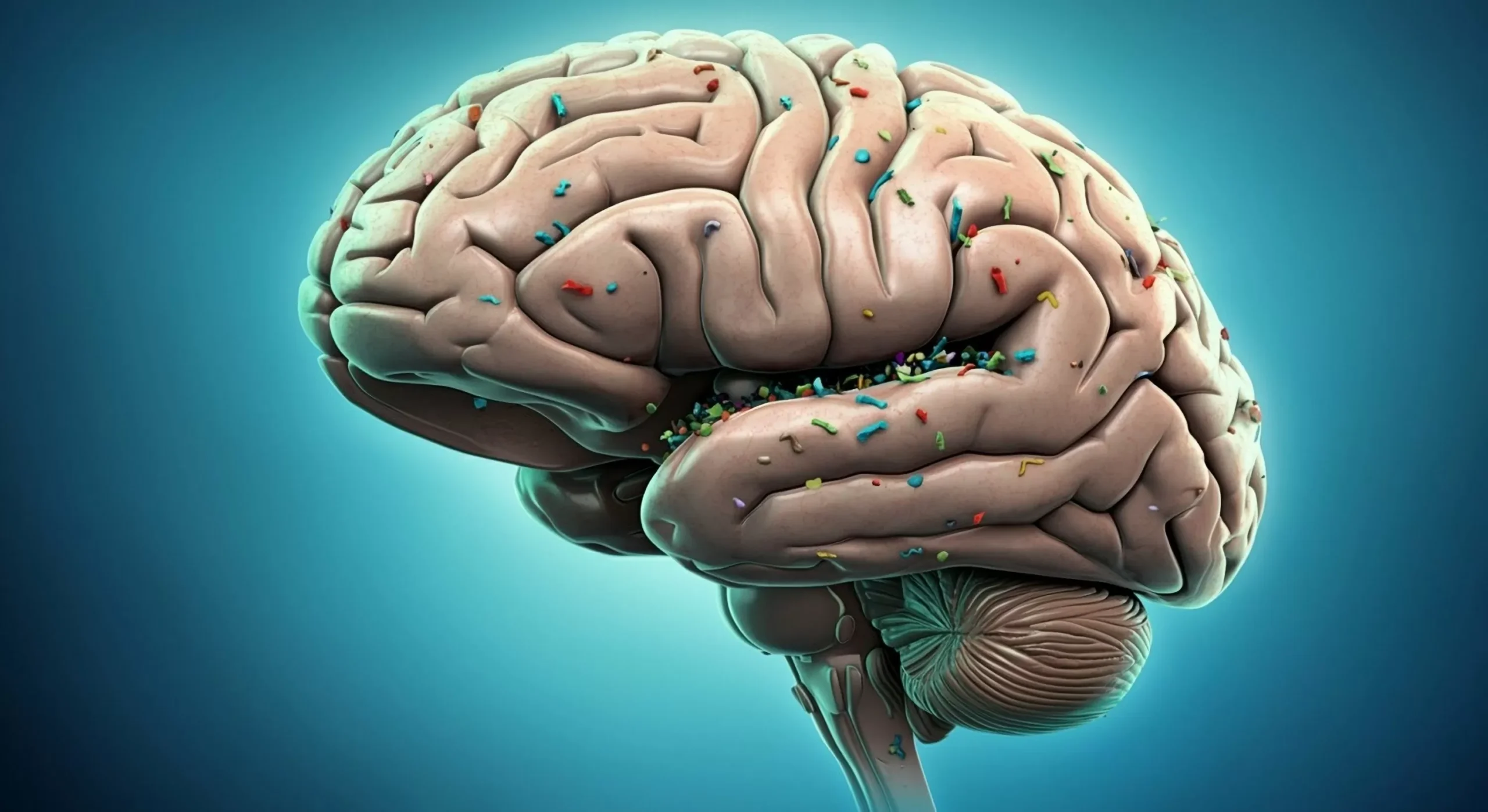

A recent study conducted by researchers in the United States has revealed alarming findings about the presence of microplastics in the human brain. According to the study, there has been a 50% increase in the accumulation of microplastics in the human brain over the past eight years. This concerning discovery has raised serious concerns about the potential long-term health effects of microplastic exposure.
Microplastics are tiny pieces of plastic, less than 5mm in size, that are found in various consumer products such as cosmetics, cleaning products, and even in the food we consume. These plastic particles are so small that they can easily enter our bodies through ingestion, inhalation, or even through our skin. While the effects of microplastic exposure on our environment and marine life have been extensively studied, the impact on human health is still relatively unknown.
The study, published in the journal Environmental Science and Technology, analyzed brain tissue samples from 34 individuals from the United States and Europe. Shockingly, all of the samples contained microplastics, with an average of 5 particles per 10 grams of brain tissue. This is a significant increase from a similar study conducted in 2014, which found an average of 3 particles per 10 grams of brain tissue.
The researchers also found that the most common type of microplastic found in the brain tissue was polyethylene, a type of plastic commonly used in packaging and disposable products. This raises concerns as polyethylene has been linked to various health issues, including hormone disruption and cancer.
The study’s lead author, Dr. Lisa Brenner, stated, “We never imagined that these tiny plastic particles would make their way into our brains. It is truly concerning to see such a significant increase in microplastic accumulation in such a short period of time.”
The potential health effects of microplastic exposure in the brain are still largely unknown. However, previous studies have linked microplastics to neurological damage, inflammation, and even behavioral changes in marine life. The fact that these particles are now found in the human brain raises serious concerns about the potential impact on our cognitive function and overall well-being.
The increase in microplastic accumulation in the human brain is a direct result of our excessive use of plastic and the inadequate waste management systems in place. Plastic pollution has become a global crisis, with an estimated 8 million tons of plastic entering our oceans every year. This not only harms our marine life but also poses a threat to human health.
It is high time for us to take action to reduce our plastic consumption and properly manage our plastic waste. Governments and industries must work together to implement stricter regulations on plastic production and disposal. Individuals can also play their part by choosing sustainable and plastic-free alternatives and properly disposing of their plastic waste.
While the study’s findings are concerning, it also serves as a wake-up call for us to take action and make necessary changes to protect our planet and our health. We must remember that we only have one Earth, and it is our responsibility to preserve it for future generations.
In conclusion, the recent study on microplastic accumulation in the human brain is a cause for concern, but it also highlights the urgent need for action. We must all work together to reduce our plastic consumption and properly manage our plastic waste to prevent further harm to our environment and our health. Let us use this opportunity to make a positive impact and create a healthier and cleaner world for ourselves and future generations.