

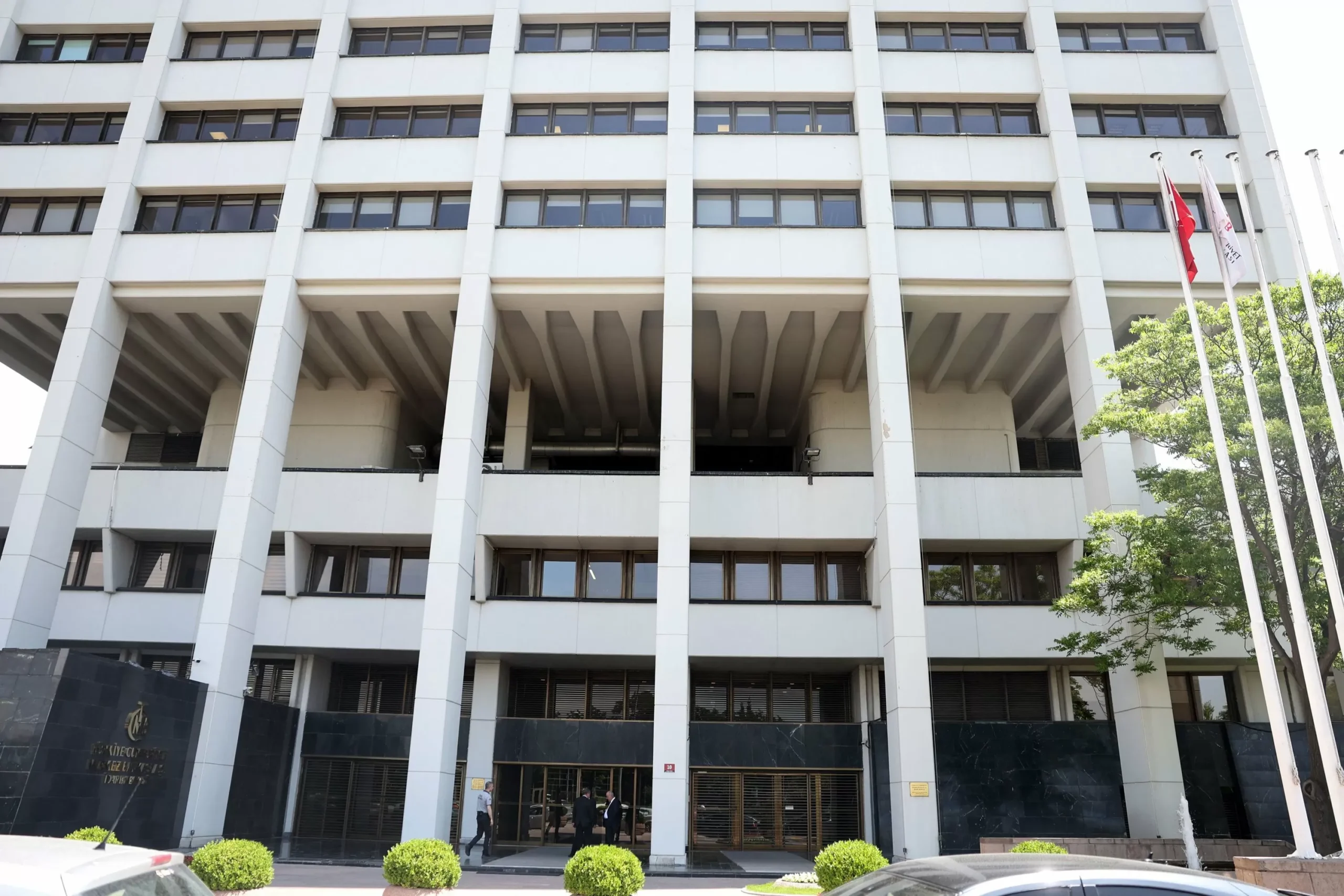

A sharper-than-anticipated slowdown in Turkish inflation has sparked renewed speculation about possible interest rate cuts by the country’s central bank. With the latest figures for May showing a significant decline in inflation, it is believed that the central bank may resume its efforts to boost the economy by lowering interest rates as early as this month. This news has been met with cautious optimism by investors and analysts, as it could lead to increased economic activity and growth in the country.
Inflation in Turkey has been a major concern for the economy in recent years, with levels reaching double digits and causing instability in the market. In an effort to combat this, the central bank had been steadily raising interest rates since 2018, reaching a peak of 24% in September last year. This move was met with praise from investors and financial institutions, as it helped stabilize the currency and attract much-needed foreign investment.
However, in July of 2019, the central bank began implementing a series of interest rate cuts, citing signs of economic recovery and lower inflation. This decision was met with skepticism by some, who feared that it may lead to a resurgence of inflation and further weaken the currency. Despite this, the central bank continued with its plan, bringing interest rates down to 14% by the end of the year.
The unexpected turn of events in the wake of the COVID-19 pandemic has brought about a new set of challenges for the Turkish economy. Lockdown measures and a decline in global demand have led to a slowdown in economic activity, causing a decrease in consumer spending and a rise in unemployment. In response, the central bank resumed its interest rate cuts in March, bringing the rate down to 8.75% in May.
The latest inflation figures for May have come as a surprise to many, with a sharp decline to 11.4% from 11.9% in April. This was largely due to a decline in food prices and a decrease in demand for non-food items. The unexpected drop has reignited speculation that the central bank may continue with its efforts to boost the economy by further lowering interest rates.
This news has been welcomed by businesses and consumers alike, as it could lead to lower borrowing costs and increased spending. Lower interest rates could also make it easier for businesses to access credit, leading to increased investment and job creation. This, in turn, could help stimulate economic growth and recovery in the country.
Moreover, lower interest rates could also benefit the government’s efforts to support the economy. With decreased borrowing costs, the government will have more room to increase spending on infrastructure projects and social programs aimed at mitigating the impact of the pandemic. This could have a positive effect on the overall economy and quality of life for citizens.
However, some experts have expressed concern about the potential risks of further interest rate cuts. They warn that it could lead to a weakening of the currency and a surge in inflation, undoing the progress made in recent years. It is a delicate balancing act for the central bank, and any decision must be carefully considered and monitored.
In conclusion, the news of a possible resumption of interest rate cuts by the Turkish central bank has been met with cautious optimism. While there are risks involved, it could also lead to positive outcomes for the economy, businesses, and consumers. The central bank must carefully weigh all factors before making a decision, with the ultimate goal of promoting sustainable economic growth and stability in the country.