

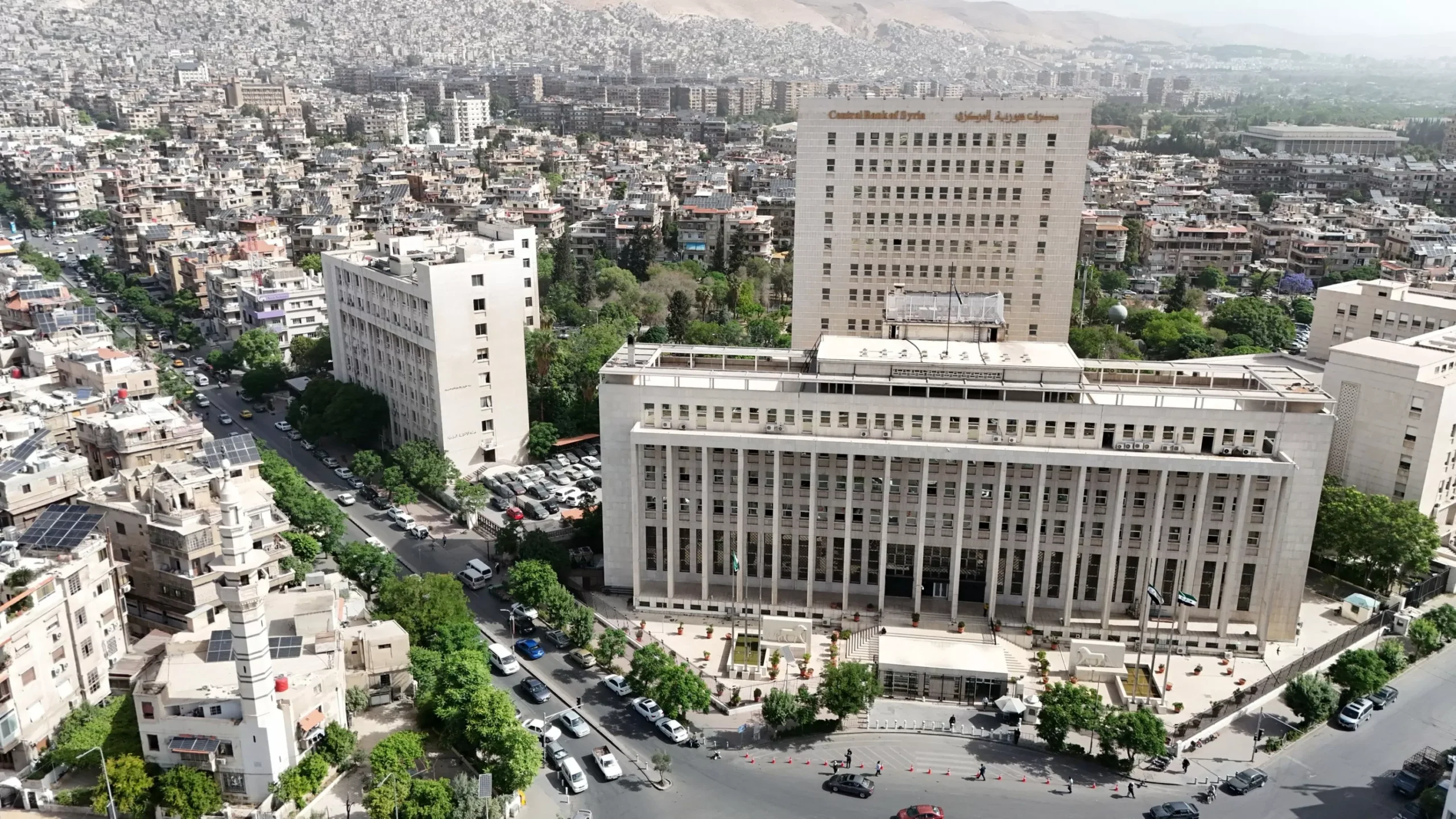

Syria is set to make a major step towards economic recovery as it prepares to be fully reconnected to the SWIFT international payment system after more than a decade of sanctions. This move, announced by the country’s central bank governor, is expected to have a significant impact on the country’s financial sector and overall economy.
For those unfamiliar with SWIFT, it is a global financial messaging network that enables banks and financial institutions to securely send and receive information about financial transactions. Being a part of this system is crucial for any country’s economy as it allows for smooth and efficient international transactions, such as trade and investments.
Syria was disconnected from SWIFT in 2012 when the United States and the European Union imposed sanctions on the country in response to the ongoing civil war. This meant that Syrian banks were unable to send or receive international payments, severely limiting the country’s ability to conduct business with the rest of the world.
However, after years of isolation, Syria is now on the path to reconnecting with the global financial community. The central bank governor, Hazem Karfoul, announced that the country has met all the necessary requirements and is in the final stages of being fully reintegrated into the SWIFT system. He also stated that this process is expected to be completed in a matter of weeks, marking a significant milestone for the country’s economy.
This news has been met with great enthusiasm and optimism by the Syrian government and its people. It is seen as a crucial step towards rebuilding the country’s economy and improving its financial stability. The reconnection to SWIFT will not only facilitate international trade and investments but also allow for the flow of remittances from Syrians living abroad, which is a vital source of income for many families.
The impact of being disconnected from SWIFT has been devastating for Syria’s economy. It has caused a severe shortage of foreign currency, making it difficult for the country to import essential goods and services. This has led to a rise in inflation and a decline in the value of the Syrian pound, making it challenging for the average citizen to afford basic necessities.
The reconnection to SWIFT is expected to reverse this trend and bring much-needed stability to the country’s economy. It will also open up new opportunities for foreign investments, which will help create jobs and boost economic growth. This move is a clear indication that Syria is ready to re-engage with the global community and rebuild its economy.
The Syrian government has been working tirelessly to meet the requirements set by SWIFT for its reintegration. This includes implementing anti-money laundering and counter-terrorism financing measures, as well as improving the transparency and accountability of its financial institutions. These efforts have not gone unnoticed, and the decision to reconnect Syria to SWIFT is a testament to the country’s commitment to meeting international standards.
The reconnection to SWIFT is also a positive sign for the Syrian people, who have been suffering from the consequences of the civil war and the economic sanctions. It is a glimmer of hope for a better future and a step towards rebuilding their country. The Syrian government has assured its citizens that this move will have a direct and positive impact on their daily lives, and they can look forward to a more stable and prosperous future.
In conclusion, the news of Syria’s imminent reconnection to the SWIFT international payment system is a significant development that will have a far-reaching impact on the country’s economy. It is a clear indication that Syria is ready to move forward and rebuild its economy, and the international community is willing to support this effort. This move will not only benefit Syria but also contribute to the stability and growth of the global economy. Let us hope that this is just the beginning of a brighter future for Syria and its people.