
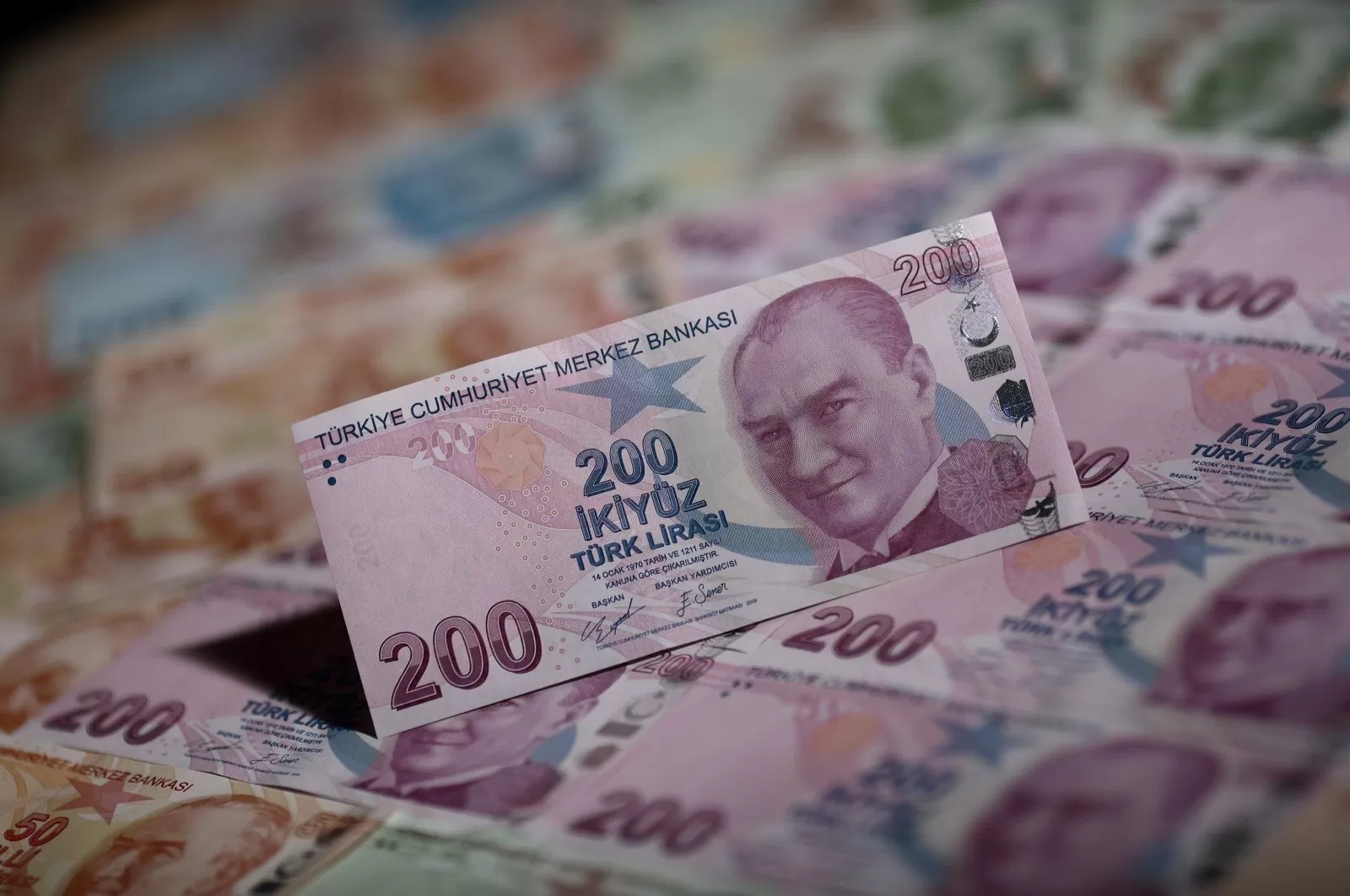

The Turkish economy has been undergoing a major transformation in recent years, with the government implementing a series of bold economic policies aimed at boosting growth and stability. One of the most significant changes has been the planned exit from the FX-protected scheme, which began in 2023 and is set to continue in the coming years. This move, along with the shift to more conventional economic policies, is expected to have a positive impact on the Turkish economy and pave the way for long-term growth and prosperity.
The FX-protected scheme, also known as the currency peg, was implemented in 1980 as a means to stabilize the Turkish lira and protect it from fluctuations in the global currency market. Under this system, the Turkish central bank pegged the lira to the US dollar, which limited its ability to float freely and adjust to market forces. While this system provided some stability, it also had its drawbacks, such as limiting the country’s ability to conduct independent monetary policy and leaving the economy vulnerable to external shocks.
Recognizing the need for change, the Turkish authorities began to scale back the FX-protected scheme in 2023, with the aim of gradually phasing it out completely. This has been accompanied by a shift to more conventional economic policies, including a more flexible exchange rate regime and a focus on inflation targeting. This move has been welcomed by economists and market analysts, who see it as a positive step towards a more market-driven economy.
The shift away from the FX-protected scheme is expected to have several benefits for the Turkish economy. First and foremost, it will give the central bank more freedom to conduct monetary policy in line with domestic economic conditions. This will allow for more effective management of inflation and interest rates, which are crucial for maintaining a stable and sustainable economy. It will also make the Turkish lira more responsive to market forces, which will help attract foreign investment and boost exports, thereby stimulating economic growth.
Moreover, the planned exit from the FX-protected scheme is a sign of the Turkish government’s commitment to implementing more market-friendly policies and strengthening the country’s economic fundamentals. This move has been welcomed by international investors, who have been closely monitoring the Turkish economy and its potential for growth. The shift to more conventional economic policies is expected to enhance investor confidence and attract more foreign direct investment, which will have a positive impact on job creation and economic development.
The Turkish government has also taken several other measures to support the transition away from the FX-protected scheme. These include implementing structural reforms to improve the business environment and promote competition, as well as increasing fiscal discipline and reducing public debt. These measures, combined with the shift to a more market-driven economy, are expected to create a favorable environment for sustainable growth and development in the long run.
In addition to these economic benefits, the planned exit from the FX-protected scheme also has important political implications for Turkey. By adopting more conventional economic policies, the country is signaling its commitment to being a player in the global market and a reliable partner for international trade and investment. This move is seen as a step towards enhancing Turkey’s role as a regional economic power and strengthening its ties with other countries.
In conclusion, the planned exit from the FX-protected scheme, which began in 2023 and is set to continue in the coming years, is a significant milestone in the transformation of the Turkish economy. This move, along with the shift to more conventional economic policies, is expected to have a positive impact on the country’s economic growth and stability. It reflects the government’s determination to implement reforms and strengthen the economy, and sends a strong message to the international community about Turkey’s commitment to a market-driven economy. With these changes in place, the future looks bright for Turkey and its people.