

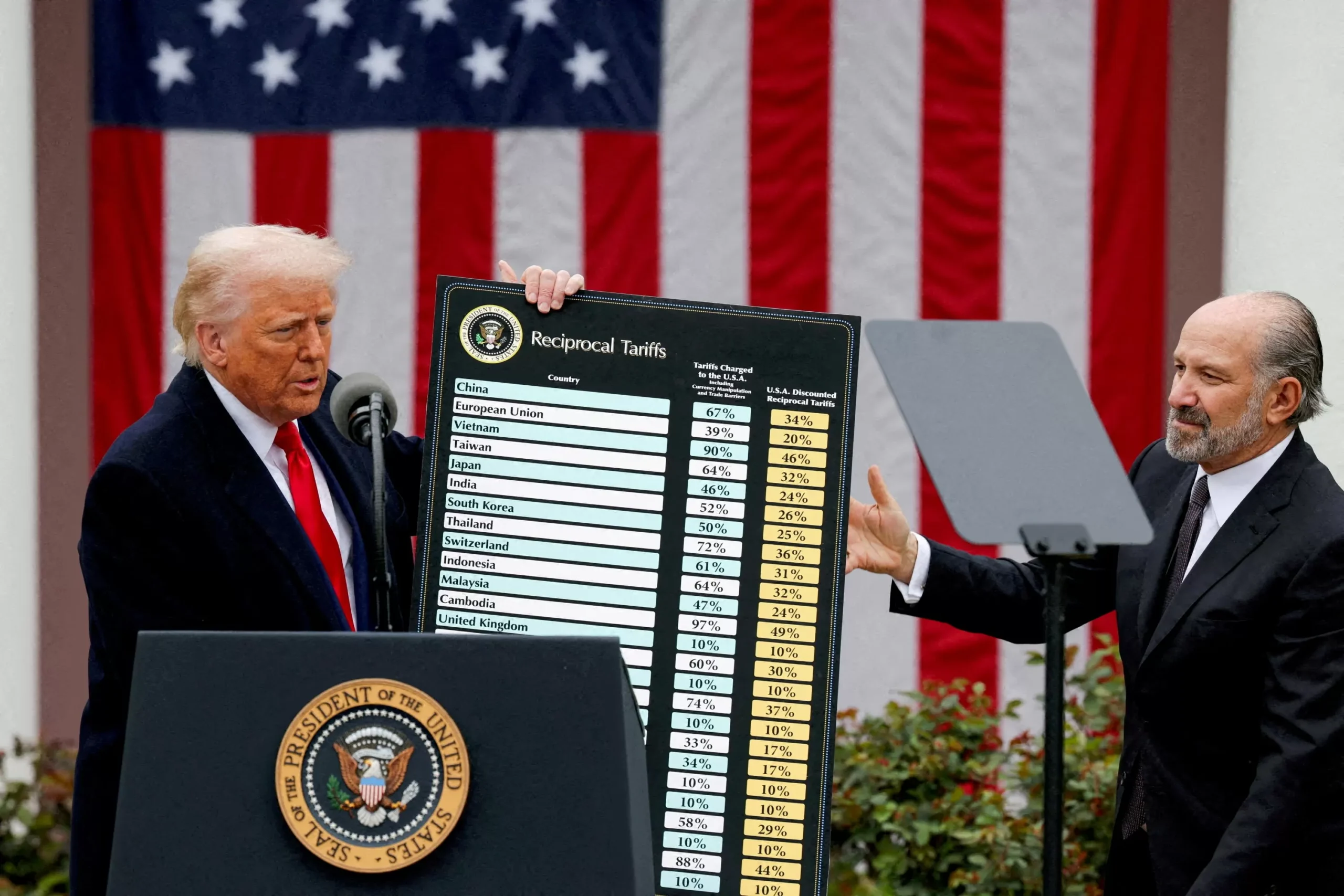

With just a week left before the deadline, the world is eagerly waiting to see what will happen with the looming threat of tariffs from the United States. Many economies, including key allies such as the European Union and Japan, are bracing themselves for the potential consequences.
Over the past few months, the Trump administration has been focused on enforcing tariffs on a wide range of goods imported into the United States, with the goal of reducing the trade deficit and protecting domestic industries. While these measures have been met with mixed reactions, the impact on economies around the world cannot be ignored.
The first round of tariffs, which were imposed in March 2018 on steel and aluminum imports, have triggered retaliatory measures from several countries, creating a tense atmosphere in the global trade arena. Now, as the deadline approaches, the stakes are even higher as the tariffs are set to affect a much larger list of goods.
One of the biggest concerns is the potential impact on economies that are heavily reliant on exports. The EU, for example, is the largest exporter of cars to the United States and stands to be one of the hardest hit if the tariffs on automobiles are imposed. Japan, also a major exporter of cars, is also at risk as it currently has a trade surplus with the U.S.
These tariffs also have the potential to disrupt global supply chains, which could lead to higher prices for consumers and businesses alike. This, in turn, could have a negative impact on economic growth and potentially lead to job losses in the affected industries.
Despite these challenges, there is also the potential for positive outcomes to emerge from this looming situation. For one, the threat of tariffs has prompted many countries to engage in dialogue with the United States in an effort to find a mutually beneficial solution. This has opened up opportunities for negotiations and cooperation, rather than simply resorting to retaliatory measures.
Furthermore, some countries have taken proactive measures to diversify their export markets in anticipation of the tariffs. This has the potential to open up new trade routes and partnerships, ultimately leading to a more diverse and resilient global trade network.
Another potential positive outcome is the push for countries to re-examine their domestic policies and make necessary changes to enhance their competitiveness. This could lead to more efficient and innovative industries that are better equipped to compete on a global scale.
In addition, the tariffs could provide an opportunity for countries to reduce their reliance on imports and focus on developing their domestic industries. This can lead to job creation and a boost to the local economy.
While it is undeniable that the threat of tariffs has created uncertainty and tensions in the global economy, it has also presented an opportunity for countries to come together and find solutions that benefit all parties involved.
Moreover, these potential positive outcomes should not be overlooked or underestimated. The U.S. and its allies have a long history of strong economic ties and it is in everyone’s best interest to maintain and strengthen these relationships.
In the end, whether the tariffs are imposed or not, it is crucial for all countries to continue to engage in open and constructive dialogue and work towards finding mutually beneficial solutions. In a globally connected world, no country can afford to isolate itself, and cooperation is key to ensuring a prosperous future for all.