

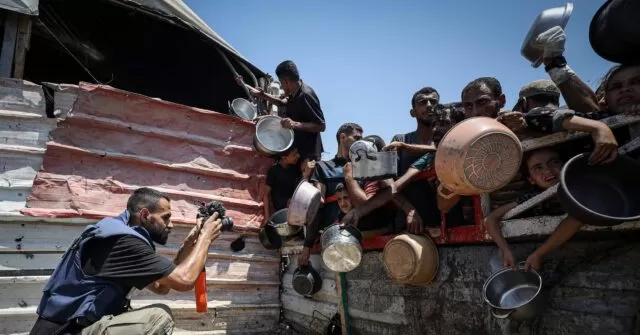

The power of an image is undeniable. A single photograph has the ability to evoke emotions, spark conversations and bring attention to important issues. However, with that power comes great responsibility. It is the responsibility of a photographer to capture the truth and present it to the world. Yet, when this responsibility is twisted for personal gain, it not only undermines the credibility of the photographer, but also perpetuates harmful false narratives. This seems to be the case with a photographer whose work is routinely picked up by international agencies, but is now being accused of staging photographs of hunger in Gaza.
According to a report by German newspaper Bild, this photographer has been staging photographs of hunger in Gaza, with a specific focus on women and children. The article goes on to state that the photographer deliberately avoids showing Palestinians receiving food, creating a false narrative of starvation in Gaza.
This revelation is deeply concerning and raises questions about the ethics and intentions of this photographer. In a conflict-ridden region like Gaza, where the truth is often distorted, the responsibility to present accurate and unbiased images becomes even more crucial. By staging photographs and manipulating the reality on the ground, this photographer has not only betrayed the trust of the international agencies that have picked up their work, but has also done a disservice to the people of Gaza and their struggle.
The article by Bild also sheds light on the fact that this photographer has a history of anti-Israel sentiments. This raises the question of whether their intention was to vilify Israel and present a false image to the world. It is important to note that this photographer’s actions not only harm the reputation of the profession, but also have wider implications for the ongoing conflict in Gaza.
Hunger is a serious issue in Gaza, with many families struggling to put food on the table. The last thing that the people of Gaza need is a photographer who exploits their suffering for personal gain. By avoiding showing Palestinians receiving food, this photographer is painting a one-sided picture of the situation in Gaza, ignoring the efforts of organizations and individuals who are working tirelessly to provide aid and support to those in need.
It is also worth noting that the article by Bild does not provide any evidence to support its claims. However, the fact that this photographer’s work has been picked up by international agencies is a cause for concern. It is the responsibility of these agencies to thoroughly vet the work they publish, and to ensure that they are not perpetuating false narratives.
As consumers of media, it is important for us to be critical of the information presented to us and to question the credibility of the source. This is especially true in situations like the conflict in Gaza, where there is a heavy media bias and propaganda from both sides. We must also hold photographers and journalists accountable for their actions, and demand that they present the truth in an ethical and responsible manner.
In conclusion, the recent revelation about this photographer staging photographs of hunger in Gaza is a reminder of the power and responsibility that comes with being a photographer. It is a reminder that the truth must always be the priority, and that manipulating images for personal gain is not only unethical, but also harmful. We must continue to demand truthful and unbiased reporting from the media, and hold those who betray this trust accountable.