

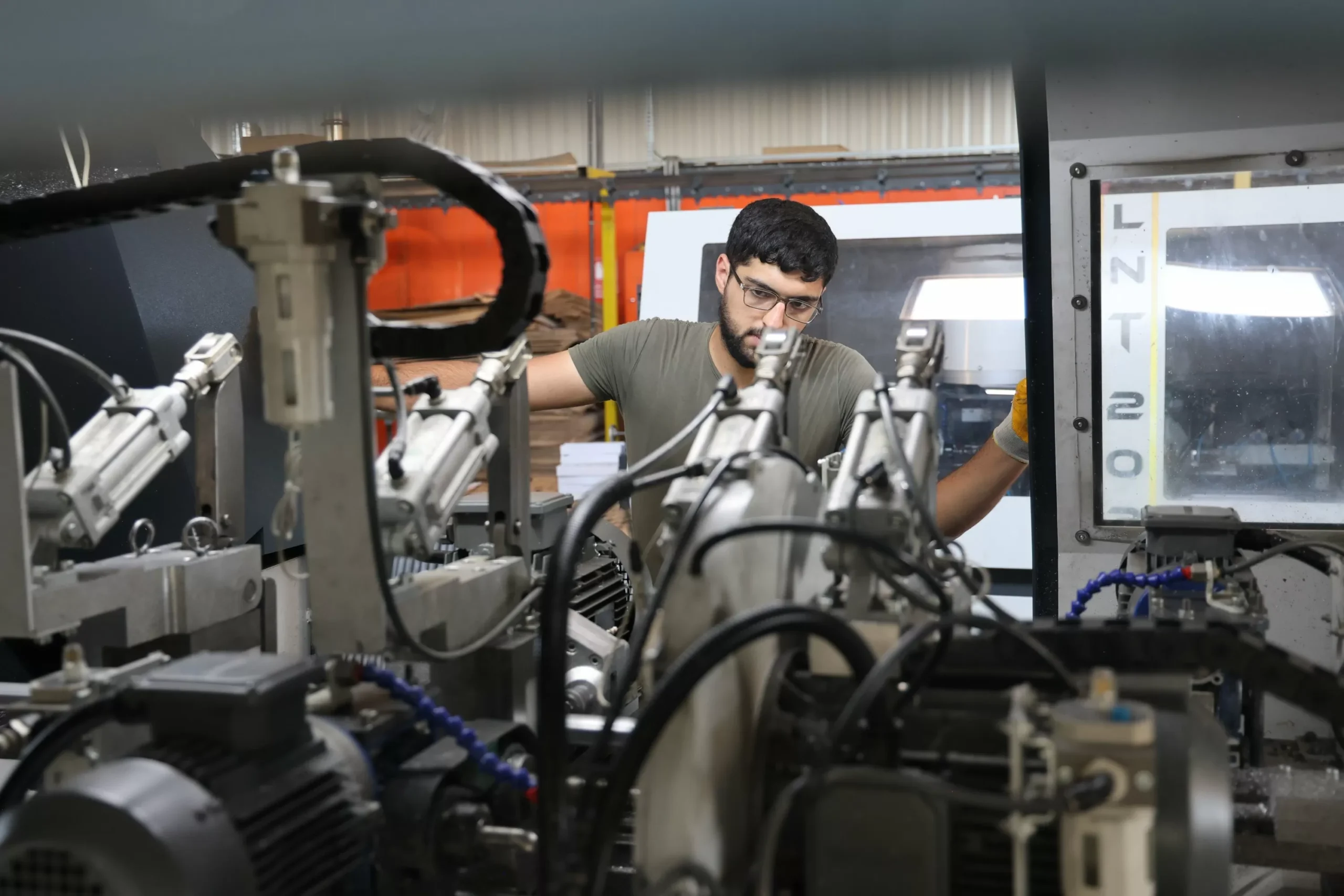

The Turkish manufacturing industry has shown impressive resilience amidst the challenges posed by current global trade conditions. Despite the uncertainty in the international market, Turkish manufacturers have managed to maintain a strong footing in the export business, recording a tremendous upsurge in demand during the month of July. This is an encouraging sign for the Turkish economy and demonstrates the ability of Turkish manufacturers to adapt and thrive even in the most challenging of times.
According to a recent survey conducted by the Turkish Exporters Assembly (TIM), the export climate for Turkish manufacturers has remained strong in July. The survey highlights the positive impact of improving demand conditions in top export markets, reinforcing Turkey’s position as a leading player in the global export business.
One of the major contributing factors to this success is Turkey’s diversified export structure, with a wide range of products and services being exported to various countries around the world. This not only reduces the country’s dependence on a single export item, but also ensures a more stable and sustainable growth. In fact, the survey revealed that almost all sectors, including automotive, textile, and food, witnessed an increase in exports compared to the same period last year.
The automotive sector continues to be the biggest contributor to Turkey’s export growth, with a 33% increase in exports during July. This is followed by the textile sector, which saw a 15% increase, and the food industry with a 9% increase in exports. This diversification in export sectors has proved to be a key strength for the Turkish economy, enabling it to withstand external shocks and maintain its competitive edge in the global market.
Another crucial factor driving the growth of Turkish exports is the country’s strategic geographical location, serving as a gateway between Europe and Asia. Being a bridge between these two continents, Turkey has access to a vast consumer market, enabling it to reach a larger customer base. Additionally, the government’s efforts to improve trade relations with neighboring countries have also played a significant role in expanding Turkey’s export capabilities.
The positive outlook for Turkish exports is also supported by the country’s government policies, which have been aimed at promoting and strengthening the manufacturing sector. The Turkish government has taken various measures, such as providing incentives and support for research and development, to boost the overall competitiveness of Turkish manufacturers in the international market. This has resulted in the production of high-quality, innovative products, which have been well-received by customers worldwide.
Moreover, Turkish manufacturers have also been able to leverage the advantages of digitalization and e-commerce to reach new markets and customers. With the rise of online shopping, Turkish exporters have been quick to adapt and use e-commerce platforms to showcase their products and connect with potential buyers from around the world. This has not only increased the visibility of Turkish products in the global market but has also enabled manufacturers to reach customers directly, cutting out the need for intermediaries and reducing costs.
In conclusion, the performance of Turkish manufacturers in the export business in July has been commendable, despite the challenges posed by the uncertain global trade environment. With improving demand conditions in top export markets, a diversified export structure, strategic geographical location, and supportive government policies, Turkey’s export industry is well-equipped to continue its growth trajectory. This is a testament to the resilience and adaptability of Turkish manufacturers, positioning them as key players in the global export market.