

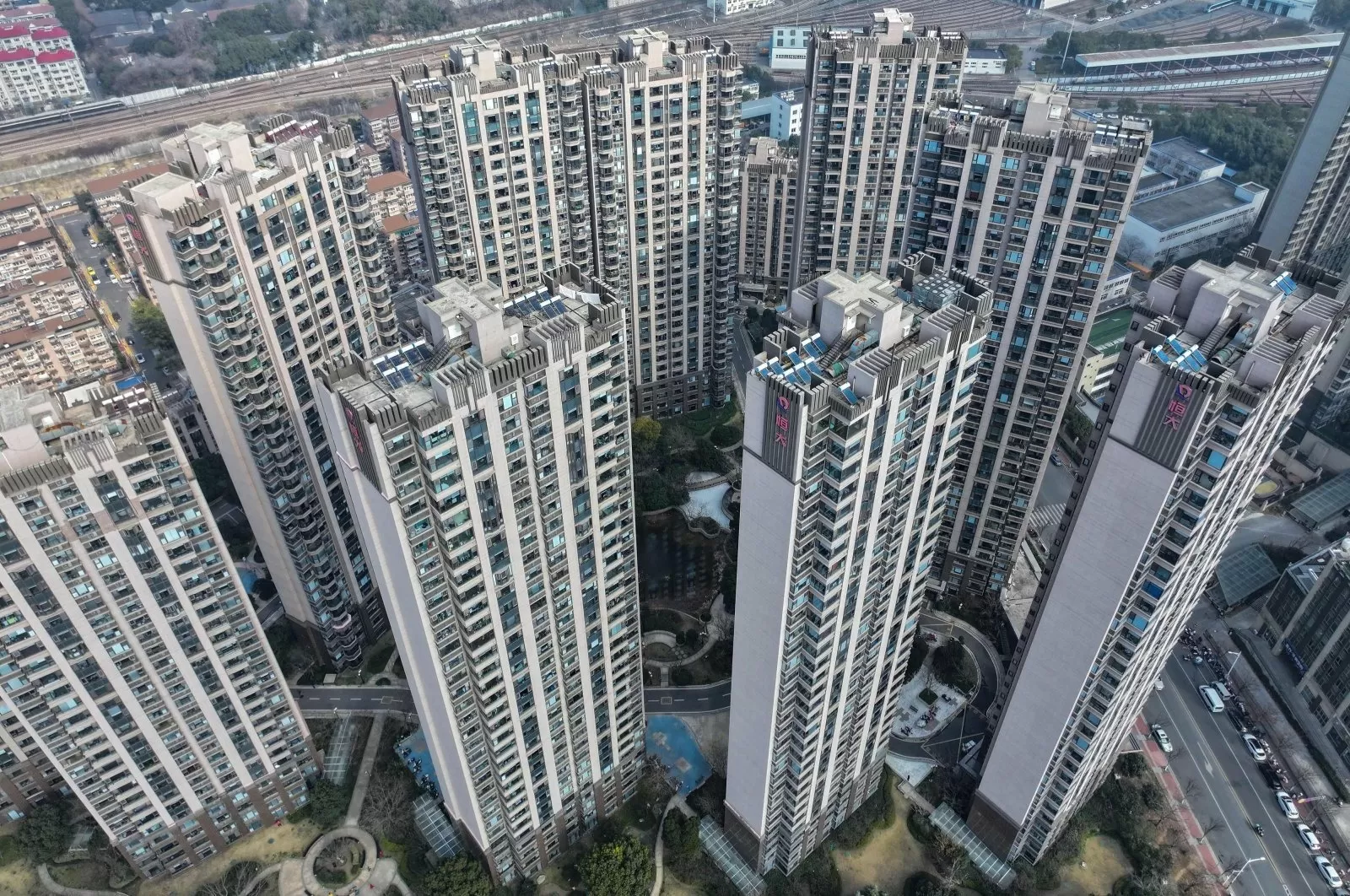

Chinese real estate giant Evergrande Group has announced that it will delist from the Hong Kong Stock Exchange, ending years of turmoil for the embattled company. This decision comes after a series of financial challenges that have plagued Evergrande and left it struggling to survive amidst mounting debt and mounting pressure from investors.
In a filing with the Hong Kong Stock Exchange, Evergrande stated that the delisting will take place by the end of this year. This move marks a significant shift for the company, which has been listed on the Hong Kong Stock Exchange since 2009 and has become one of the largest real estate firms in China. However, the delisting is seen as a necessary step for the company to restructure its operations and stabilize its financial situation.
This decision to delist is a result of years of crisis and struggle for Evergrande. The company has been battling with a growing debt burden, estimated to be over $300 billion at the end of June. This has led to a series of defaults on its bond payments and caused its shares to plummet. Evergrande’s financial woes have also triggered protests from disgruntled investors, who have seen their investments lose value.
In recent months, the company has been racing against time to secure funds to pay off its creditors and avoid default. However, despite efforts to sell off assets and raise capital, Evergrande has been unable to overcome its mounting debt and dwindling cash reserves. As a result, the company has faced increasing pressure from both domestic and international investors, raising concerns about the stability of the Chinese real estate market.
This delisting announcement comes as a significant move for Evergrande, signaling its determination to address its financial challenges and restructure its operations. By delisting from the Hong Kong Stock Exchange, the company can shield itself from further pressure from investors and focus on its financial restructuring plan.
Evergrande has also been under scrutiny from Chinese regulators who have implemented stricter rules to curb excessive borrowing and property speculation. This has put even more pressure on the company, which has been a major player in China’s real estate market.
However, despite the challenges that Evergrande has faced, the company remains optimistic about its future. In its statement, the company stated that it remains committed to fulfilling its obligations to creditors and investors while also working towards a sustainable and healthy development. This positive outlook is also reflected in the company’s decision to continue trading on the Shenzhen and Shanghai Stock Exchanges, which will provide a stable platform for Evergrande to continue its operations.
The delisting announcement has been met with mixed reactions from the market, with some investors expressing concern about the future of their investments. However, experts see this move as a necessary step for Evergrande to turn its fortunes around. By delisting from the Hong Kong Stock Exchange, the company can focus on its restructuring plan without the added pressure from investors, which may ultimately lead to a more stable and sustainable business model.
The decision to delist may also have a positive impact on the Chinese real estate market. With Evergrande’s massive debt burden being a major concern for investors, the delisting may provide a much-needed respite for the market. It also sends a signal to other real estate companies about the importance of responsible borrowing and sustainable development.
In conclusion, the delisting of Evergrande from the Hong Kong Stock Exchange marks a significant step in the company’s efforts to address its financial challenges and restructure its operations. While it may come as a surprise to some, this decision shows Evergrande’s determination and commitment to overcoming its challenges and emerging stronger. With its positive outlook and continued presence on the Shenzhen and Shanghai Stock Exchanges, the company is looking towards a bright and stable future.