

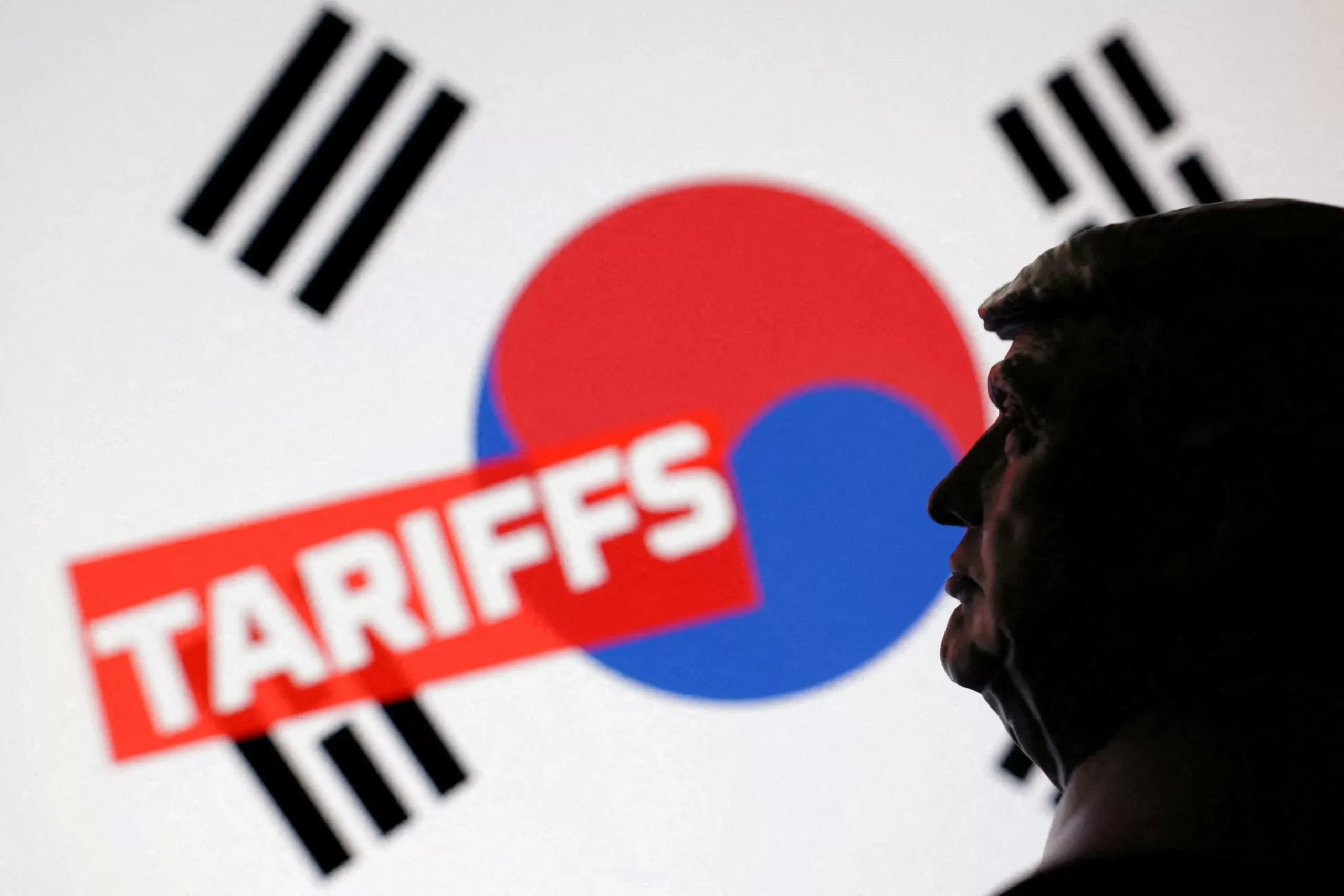

South Korea has been a key economic partner to the United States for many years. With a strong and stable economy, South Korea has been able to invest in various industries and create jobs for both Koreans and Americans. However, recent discussions between the two countries have caused concern for South Korea’s ability to continue investing in the U.S.
In a meeting with President Donald Trump, South Korean President Moon Jae-in was asked to consider investing $350 billion upfront in the U.S. in order to lower tariffs. This proposal was met with shock and concern from the South Korean government, as it would be a significant financial burden for the country.
President Trump’s suggestion was part of a deal to lower tariffs on South Korean imports to the U.S. In return, the U.S. would allow South Korea to invest in industries such as automotive, steel, and other manufacturing sectors without facing high tariffs. While this may seem like a win-win situation, the reality is that South Korea simply cannot afford to make such a large upfront investment.
According to the South Korean government, the country’s total foreign reserves amount to approximately $400 billion. This means that the $350 billion investment suggested by President Trump would nearly deplete the entire foreign reserve. Such a move would not only leave the country vulnerable in case of any economic downturns, but it would also hinder South Korea’s ability to invest in other countries and diversify its economy.
In light of this, South Korea is now seeking alternative ways to meet the U.S.’s demands. The country has proposed a gradual investment plan, which would see South Korea investing in the U.S. over a period of several years rather than making a lump sum payment upfront. This would not only mitigate the financial burden on South Korea but also ensure that the country’s economy remains stable.
Furthermore, South Korea has also proposed investing in other areas such as infrastructure and technology, which would benefit both the U.S. and South Korea. By investing in infrastructure projects, South Korea would not only create jobs for Americans but also strengthen the country’s infrastructure, thus benefiting both countries in the long run. Similarly, investing in technology would not only boost the U.S.’s technological advancements but also provide opportunities for collaboration between South Korean and American companies.
It is worth noting that South Korea has been a reliable partner to the U.S. in terms of trade and investment. In 2019, South Korea was the 6th largest trading partner of the U.S., with a total trade value of $167.6 billion. Furthermore, South Korean companies have been investing in the U.S. for many years, with investments totaling $62.8 billion in 2019. These investments have created thousands of jobs for Americans and contributed to the growth of the U.S. economy.
President Trump’s suggestion of a $350 billion upfront investment may have been well-intentioned, but it is simply not feasible for South Korea. The country’s economic stability must be taken into consideration, and a gradual investment plan would be a much more viable option. It is also important for the U.S. to recognize the contributions that South Korea has made to its economy and continue to foster a mutually beneficial relationship.
In conclusion, South Korea remains committed to strengthening its economic ties with the U.S. However, the proposed $350 billion upfront investment is not a viable option for the country. Instead, a gradual investment plan and exploring other investment opportunities would benefit both countries in the long run. As a reliable economic partner, South Korea looks forward to finding a solution that will benefit both countries and continue to strengthen their relationship.