

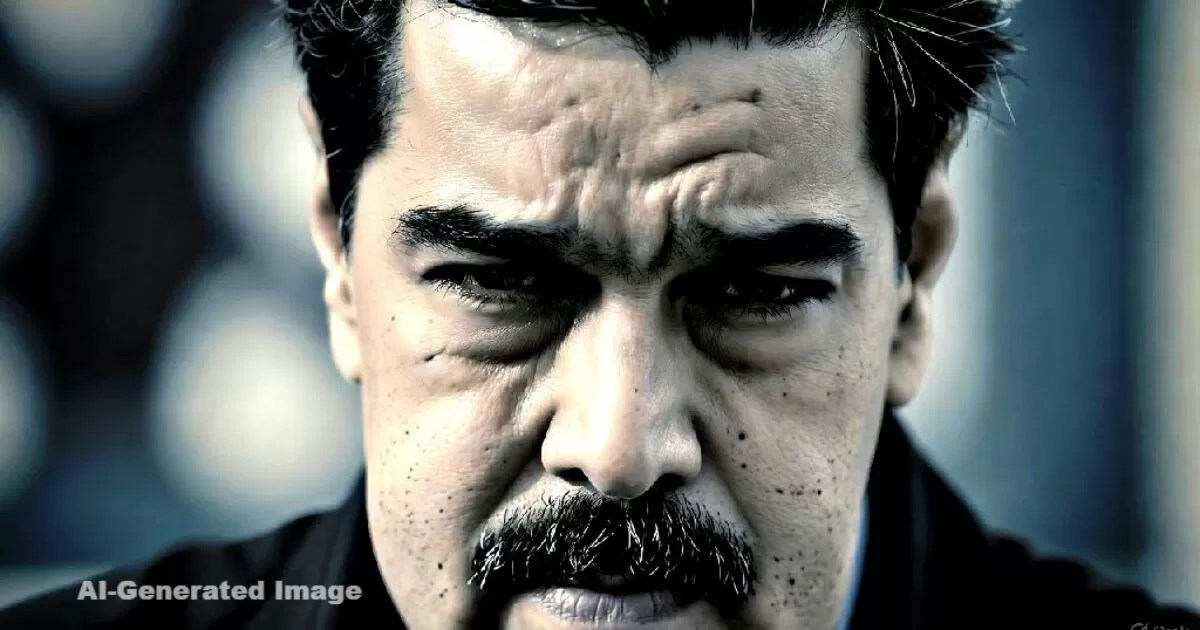

The political situation in Venezuela has been a source of concern for the international community for several years now. The country has been plagued by economic turmoil, social unrest, and political instability, all of which have been exacerbated by the authoritarian rule of President Nicolas Maduro. In recent months, the Maduro regime has been lashing out in a desperate attempt to maintain its grip on power, resulting in constant purges among officials and relentless persecution of oppositionists.
According to recent reports, the Maduro regime has made 54 political arrests in Venezuela in just the last month alone. These arrests have primarily targeted activists from the party of Nobel Peace Prize winner María Corina Machado, who has been a vocal critic of the Maduro regime and its policies. This is a clear indication that the regime is becoming increasingly desperate and is resorting to extreme measures to silence any dissenting voices.
The situation in Venezuela has been deteriorating rapidly under the Maduro regime. The country’s economy has been in shambles, with hyperinflation, shortages of basic goods, and a collapsing currency. This has led to widespread poverty and suffering among the Venezuelan people, who have been forced to endure long lines for basic necessities and a lack of access to essential services such as healthcare and education.
In addition to the economic crisis, the Maduro regime has also been accused of human rights abuses and the suppression of political opposition. The regime has been accused of using excessive force against protesters, censoring the media, and cracking down on any form of dissent. This has led to a climate of fear and intimidation, where people are afraid to speak out against the government for fear of reprisals.
The recent wave of political arrests is just the latest in a series of actions taken by the Maduro regime to maintain its grip on power. The regime has been purging officials who are perceived as disloyal and replacing them with loyalists. This has resulted in a government that is increasingly made up of individuals who are more concerned with their own interests than the well-being of the Venezuelan people.
The persecution of oppositionists has also been on the rise, with many activists being arrested and detained without due process. This is a clear violation of human rights and a blatant attempt to silence any opposition to the Maduro regime. The regime is using the legal system as a tool to suppress dissent and maintain control, rather than upholding justice and protecting the rights of its citizens.
The international community has been closely monitoring the situation in Venezuela and has condemned the actions of the Maduro regime. The United States, in particular, has been vocal in its support for the Venezuelan people and has imposed sanctions on the regime in an effort to pressure them to restore democracy and respect human rights.
It is clear that the Maduro regime is becoming increasingly desperate as it clings to power. The constant purges and persecution of oppositionists are a sign of a regime that is on the brink of collapse. The Venezuelan people have suffered enough under this oppressive regime, and it is time for a change.
The recent political arrests in Venezuela have once again brought attention to the dire situation in the country. It is imperative that the international community continues to stand in solidarity with the Venezuelan people and support their fight for democracy and human rights. The Maduro regime must be held accountable for its actions, and steps must be taken to ensure that the Venezuelan people are able to live in a free and democratic society.
In conclusion, the Maduro regime’s constant purges and persecution of oppositionists are a clear indication of a desperate regime that is on the verge of collapse. The international community must continue to put pressure on the regime and support the Venezuelan people in their fight for democracy and human rights. It is time for the Maduro regime to step down and for the Venezuelan people to be given the chance to rebuild their country and their future.