

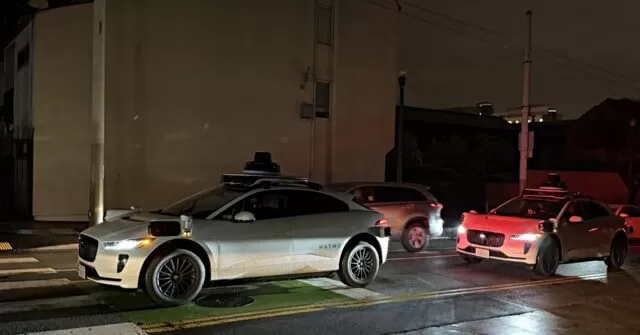

A massive power outage in San Francisco on Saturday night left over 130,000 homes without electricity, causing chaos and confusion in the city. However, the situation was further complicated as self-driving cars, a symbol of advanced technology and efficiency, came to a halt in the middle of the streets, triggering extensive traffic jams.
The incident, which occurred on a busy weekend night, highlighted the potential risks and challenges of relying on self-driving cars in a real-life situation. As the power outage plunged the city into darkness, the self-driving cars were unable to function properly, causing major disruptions and delays in traffic flow.
Videos and images of the chaos quickly spread on social media, showing cars stranded in the middle of intersections, unable to move due to the lack of electricity. The scenes were reminiscent of a science fiction movie, but unfortunately, this was a real-life situation that the city had to face.
The power outage, which was caused by a fire in a substation, affected a large part of the city, including popular tourist destinations such as Fisherman’s Wharf and the Golden Gate Bridge. The sudden loss of power not only affected the homes and businesses but also the transportation system, which heavily relies on electricity to function.
While the power outage caused inconvenience and frustration for many residents and tourists, it also raised concerns about the safety and reliability of self-driving cars. These vehicles, equipped with advanced technology and sensors, are meant to operate without human intervention. However, the incident in San Francisco showed that they are not immune to technical failures and external factors such as power outages.
The potential risks of self-driving cars have been a subject of debate for a long time, with some experts expressing concerns about their safety and others advocating for their potential benefits. This incident has once again brought the issue to the forefront, highlighting the need for thorough testing and regulation of self-driving cars before they are fully integrated into our daily lives.
Despite the chaos and disruption caused by the power outage, it is worth noting that there were no reports of any accidents or injuries involving the self-driving cars. This is a testament to the safety measures and protocols in place to ensure the well-being of passengers and other road users.
The incident also showcased the resilience and adaptability of the people of San Francisco. Despite the challenges, they remained calm and cooperative, helping each other and finding alternative transportation methods to reach their destinations. This is a testament to the strong sense of community and unity in the city, which is essential in times of crisis.
As the power outage was eventually resolved, the self-driving cars were able to resume their operations, and the traffic slowly returned to normal. However, this incident serves as a reminder that while technology can bring many benefits, it is not infallible, and we must always be prepared for unexpected situations.
In the aftermath of the incident, it is crucial for the authorities and companies involved in the development and deployment of self-driving cars to re-evaluate their strategies and ensure that safety and reliability are their top priorities. The public must also be informed and educated about the potential risks and benefits of this technology to make informed decisions.
The power outage in San Francisco on Saturday night may have caused chaos and disruptions, but it also shed light on the challenges and potential risks of relying on self-driving cars. However, with proper regulations and precautions in place, there is no doubt that this technology has the potential to revolutionize our transportation system and make our lives easier and more efficient. As we continue to advance in technology, let us also remember to prioritize safety and the well-being of our communities.