

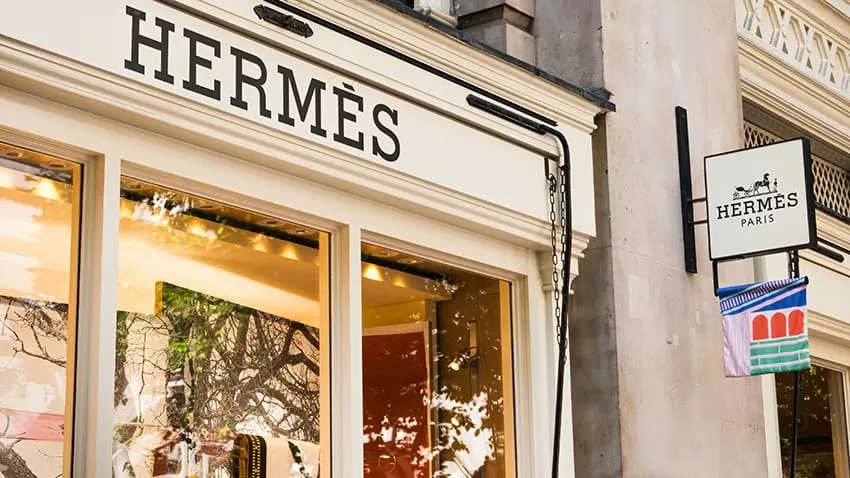

Luxury brands have long been synonymous with high quality, exclusivity, and luxury. They have been a symbol of status and wealth for decades, attracting customers who are willing to pay top dollar for their products. However, recent reports have shown a decline in profit margins for the world’s top luxury groups, with experts urging cost cuts in indirect spending to protect brand value.
According to a study by consulting firm Deloitte, profit margins at the world’s top luxury groups have fallen from 24% to 13% in the past few years. This is a significant decrease and has raised concerns about the future of the luxury industry. The decline in profit margins can be attributed to various factors, including changing consumer behavior, increasing competition, and rising costs.
One of the main reasons for the decline in profit margins is the changing consumer behavior. With the rise of e-commerce and social media, consumers now have more options and access to information than ever before. They are no longer as brand loyal as they used to be and are more conscious of the value they are getting for their money. This has led to a shift towards more affordable luxury brands, putting pressure on the profit margins of high-end luxury groups.
Moreover, the luxury industry is facing stiff competition from emerging brands that offer similar products at lower prices. These brands have been able to capture the attention of a younger demographic, who are more price-sensitive and less concerned with brand names. This has forced established luxury brands to lower their prices, further impacting their profit margins.
Another factor contributing to the decline in profit margins is the rising costs of production and distribution. Luxury brands are known for their high-quality materials and craftsmanship, which come at a premium price. With the increasing costs of raw materials and production, luxury brands are facing higher expenses, resulting in lower profit margins.
In light of these challenges, experts are urging luxury brands to focus on cost-cutting measures in indirect spending to protect their brand value. Indirect spending refers to expenses that are not directly related to the production or distribution of the product, such as marketing, advertising, and administrative costs. These costs can add up quickly and have a significant impact on profit margins.
One way luxury brands can reduce indirect spending is by leveraging technology and digital platforms. With the rise of social media and e-commerce, luxury brands can reach a wider audience and promote their products at a lower cost. This will not only help them save on marketing and advertising expenses but also allow them to connect with younger consumers who are more active on these platforms.
Furthermore, luxury brands can also focus on streamlining their operations and supply chain to reduce costs. By optimizing their production processes and negotiating better deals with suppliers, they can lower their expenses and improve their profit margins. They can also explore alternative sourcing options to reduce the costs of raw materials.
In addition to cost-cutting measures, luxury brands should also focus on maintaining the exclusivity and prestige of their brand. This can be achieved by carefully managing their pricing strategy and avoiding steep discounts that can devalue the brand. By offering a unique and premium experience to their customers, luxury brands can continue to attract high-end consumers who are willing to pay a premium for their products.
In conclusion, the decline in profit margins at the world’s top luxury groups is a cause for concern, but it is not too late for them to turn things around. By focusing on cost-cutting measures in indirect spending and maintaining the exclusivity of their brand, luxury brands can protect their profit margins and continue to thrive in the ever-changing luxury market. It is essential for these brands to adapt to the changing consumer behavior and market trends while staying true to their core values of quality and exclusivity. Only then can they continue to be leaders in the luxury industry and maintain their position as a symbol of status and wealth.