
Accessible Transport Could Deliver £176bn Economic Boost for UK
Accessible public transport investment could add £176bn to UK economy. New report reveals 2.8m workers are currently excluded from employment due to transport b...
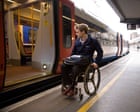
Economic Transformation Through Accessible Public Transport
A comprehensive new report has highlighted that accessible public transport could generate substantial economic gains for the United Kingdom, with projections suggesting an impressive £176bn boost to the overall economy. The analysis demonstrates that current infrastructure barriers are preventing millions of working-age citizens from accessing employment opportunities, creating a significant untapped potential for economic growth and workforce participation.
The Institution of Mechanical Engineers (IMechE) has released findings indicating that the existing transport system excludes nearly a quarter of the working-age population from meaningful employment participation. This accessibility crisis means approximately 2.8 million individuals are effectively locked out of the labor market due to inadequate infrastructure, representing both a human cost and an economic loss for the nation.
The Current Accessibility Crisis
Present transportation networks across buses, trains, and stations create substantial barriers for disabled passengers, limiting their ability to reach workplaces and participate in the economy. The accessible public transport infrastructure gap extends beyond physical wheelchair access, encompassing multiple dimensions of inclusive design that would benefit elderly passengers, those with visual or hearing impairments, and people with various mobility limitations.
The research from IMechE emphasizes that this is not merely a social equity issue but a pressing economic imperative. When millions of capable workers cannot access the transportation necessary to reach employment, both individual earning potential and broader economic productivity suffer significantly.
Unlocking Economic Potential
By prioritizing investment in accessible public transport, the UK could unlock the economic contribution of millions of currently excluded workers. The £176bn economic boost projection reflects increased tax revenues, reduced welfare expenditure, and expanded consumer spending from newly employed individuals who gain transport access.
Comprehensive accessibility improvements would need to address multiple system components, including level boarding at train stations, accessible bus design, real-time information systems compatible with assistive technologies, staff training protocols, and strategic station renovations. These investments would create immediate construction and engineering jobs while generating long-term economic returns through workforce expansion.
Workforce Accessibility as Economic Driver
The connection between accessible public transport and workforce accessibility cannot be overstated. Employment barriers for disabled individuals frequently stem not from capability deficits but from infrastructure limitations. When transport networks become accessible public transport systems, previously excluded workers can contribute their skills, experience, and productivity to the broader economy.
The report analysis suggests that inclusive transport network development represents a high-return investment strategy. Every pound spent on accessibility improvements generates multiplier effects throughout the economy as newly employed workers spend wages locally, support their families, and reduce reliance on social support systems.
Implementation and Long-term Benefits
Creating accessible public transport infrastructure requires coordinated investment across multiple agencies and transport providers. However, the economic argument is compelling: the potential £176bn return substantially outweighs implementation costs when calculated across a multi-year implementation timeline.
Beyond purely economic metrics, accessible public transport systems generate social cohesion benefits, improved health outcomes for disabled individuals through enhanced mobility, and greater environmental sustainability through increased public transit usage among previously car-dependent populations who lacked viable alternatives.
The Institution of Mechanical Engineers' report provides crucial evidence for policymakers considering transport infrastructure priorities. The data demonstrates that accessibility is not an optional add-on but a fundamental investment in national economic competitiveness and inclusive growth strategies.