
BBC Investigates Authenticity of Viral China Disaster Videos Amid AI Concerns
BBC examines viral China disaster videos to distinguish authentic footage from AI-generated deepfakes. Discover how fake videos spread online and impact real-wo...
BBC Investigates Authenticity of Viral China Disaster Videos Amid AI Concerns
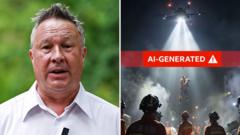
The British Broadcasting Corporation has launched a comprehensive investigation into viral China disaster videos circulating across digital platforms, attempting to determine which footage is genuine and which may have been artificially created using advanced artificial intelligence technology. As extreme weather events continue to reshape global climate patterns, the proliferation of unverified video content has become an increasingly serious concern for both media organizations and the general public.
The Growing Challenge of Identifying Authentic Footage
In recent months, numerous videos allegedly depicting catastrophic weather events and natural disasters across China have gained significant traction on social media platforms. However, distinguishing between legitimate recordings and fabricated content has become increasingly difficult as deepfake technology and AI-generated imagery improve in sophistication. The BBC's analysis represents a critical effort to establish verification protocols and educate audiences about the dangers of misinformation.
The challenge intensifies when considering that extreme weather events are becoming more frequent and severe globally, making audiences more inclined to believe dramatic footage without thorough verification. This psychological factor has enabled bad actors to exploit public concern and distribute false or manipulated videos with greater ease than ever before.
Real-World Consequences of Misinformation
Beyond the immediate concerns about media literacy, the spread of viral China disaster videos—whether authentic or fabricated—is producing tangible real-world consequences. False information about disaster locations, severity, and aftermath can misdirect emergency response resources, complicate rescue operations, and cause unnecessary panic among affected populations and their families abroad.
The circulation of unverified disaster footage has been documented to trigger premature evacuation attempts, overwhelm emergency service lines with false reports, and damage public trust in official communications. Additionally, the rapid sharing of these videos without proper context or verification creates an environment where misinformation thrives faster than correction.
How Advanced Technology Enables Video Manipulation
Modern artificial intelligence systems have reached a point where creating convincing deepfakes requires minimal technical expertise. Generative AI models can now synthesize realistic weather phenomena, alter existing footage, and composite multiple video elements into seamless-appearing composite pieces. This technological capability has shifted the burden of verification onto media organizations and viewers themselves.
The BBC's investigation examines several specific techniques used in video manipulation, including temporal consistency analysis, light reflection patterns, and meteorological impossibilities that might reveal artificially generated content. These forensic approaches represent the cutting edge of digital verification in journalism.
The Role of Social Media in Amplifying False Content
Social media platforms continue to serve as the primary distribution channels for viral China disaster videos of questionable authenticity. The algorithmic systems that determine content visibility often prioritize engagement metrics over accuracy, inadvertently rewarding sensational or shocking footage regardless of its veracity.
Platform policies regarding disaster-related content have evolved, yet enforcement remains inconsistent. Videos that accumulate significant engagement before being flagged as false have already reached millions of viewers, making subsequent corrections far less effective in limiting misinformation impact.
BBC's Verification Methodology
The BBC's approach to analyzing these videos involves multiple verification layers. Expert teams examine metadata information, compare footage against satellite imagery and weather records, consult with meteorologists and disaster response specialists, and cross-reference claims with on-the-ground witnesses and official sources.
This comprehensive methodology provides a model for how major news organizations are adapting to the deepfake era, establishing standards that other broadcasters and outlets are beginning to adopt and implement in their own verification processes.
Implications for Public Trust and Media Literacy
As viral China disaster videos continue to circulate across international networks, the broader implications for public trust in media institutions become increasingly apparent. Audiences must develop stronger critical viewing skills and understand the technical capabilities that enable video manipulation.
Educational initiatives that teach the public about verification techniques and encourage skepticism toward unverified footage represent an essential component of combating misinformation in the digital age. News organizations, technology companies, and educational institutions must collaborate to create comprehensive media literacy frameworks.
Looking Forward: Future Challenges and Solutions
The investigation conducted by the BBC underscores the urgent need for developing more sophisticated detection technologies and establishing international standards for video verification. As AI capabilities continue advancing, the challenge of maintaining authentic visual journalism will only intensify.
Future solutions may include blockchain-based verification systems, AI-powered detection tools specifically designed to identify manipulated content, and industry-wide adoption of transparent sourcing requirements. The work being done by major broadcasters today will establish the foundation for more reliable information ecosystems tomorrow.